







Contents:
- The Origins of Hair Colour Mishaps at Home
- Understanding Hair Dye Composition and Carpet Vulnerability
- Immediate Action: The First 30 Minutes
- Step 1: Blot and Isolate
- Step 2: Assess the Stain Type
- Home Remedies and DIY Removal Methods
- Hydrogen Peroxide Solution (Best for Light Carpets)
- Rubbing Alcohol Method (for Semi-Permanent Dyes)
- White Vinegar and Baking Soda Paste
- Dish Soap and Warm Water (Safest First Step)
- Professional-Grade Products: Worth the Investment
- Colour-Catcher Laundry Sheets (Modified Application)
- Specialist Carpet Dye Removers
- Enzyme-Based Carpet Cleaners
- Common Mistakes to Avoid
- Timeline: When Stains Become Permanent
- When to Call a Professional
- Comparing Methods: Hair Dye vs. Other Common Stains
- Prevention and Future Safeguards
- The Stain Isn’t Disappearing? Try This Sequence
- FAQ Section
- Will salt water help remove hair dye from carpet?
- Can I use bleach on hair dye stains?
- Is a ghost stain—a pale outline of the dye—permanent?
- How much does professional carpet cleaning cost for hair dye removal in the UK?
- Will my carpet ever be completely stain-free if the dye has set for a week or more?
- Conclusion: Act Fast on Hair Dye Stains
The Origins of Hair Colour Mishaps at Home
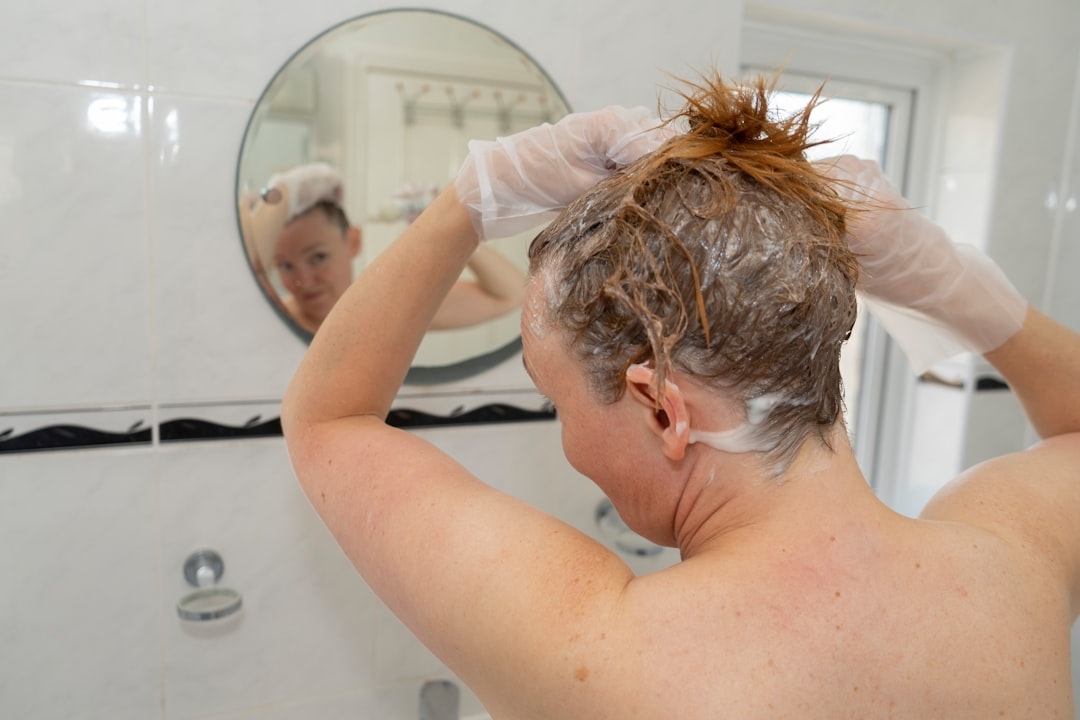
In the 1960s, when at-home hair colouring first became mainstream in Britain, carpet stains were virtually unavoidable—most homes used washable cotton headscarves during the process. Fast forward to today, and despite better technology, the problem persists. Hair dye accidents remain one of the most common household cleaning emergencies, with approximately 60% of home colourists reporting at least one accidental spillage or contact mark. The good news: modern carpet treatments and removal methods are far more effective than they were decades ago, and you don’t need to call in expensive professionals to fix the problem.
Hair dye ends up on carpet through careless application, leaking bottles, or the dreaded moment when you’re rushing between rooms and trip on that freshly applied colour. Unlike coffee or wine, hair dye contains synthetic dyes and pigments engineered to bond permanently to hair—which means they’re equally determined to bond to carpet fibres. Understanding exactly what you’re dealing with is the first step to how to get hair dye out of carpet without permanently damaging your flooring.
Understanding Hair Dye Composition and Carpet Vulnerability
Hair dyes fall into three main categories: temporary, semi-permanent, and permanent. Temporary dyes (the kind that wash out in 1–2 shampoos) sit on the hair surface and are easiest to remove from carpet. Semi-permanent colours penetrate slightly but don’t use ammonia or developer, making them moderately challenging. Permanent dyes use oxidative developers and ammonia to lift the hair cuticle and deposit pigment deep within the structure—precisely why they’re the most stubborn on carpet.
Carpet fibres absorb dye particles through capillary action: liquid seeps into the weave, and pigment molecules bond to the fibre protein. Wool and wool-blend carpets absorb dye more readily than synthetic polyester or polypropylene, because wool’s protein structure is chemically similar to hair. If your carpet is a light colour (cream, beige, pale grey), dye absorption will be immediately visible. Darker carpets may hide initial stains, but the dye is still embedded in the fibres.
The window of opportunity is critical. Fresh stains—those treated within the first 2–4 hours—respond dramatically better to removal than set-in stains that have been there for days or weeks. This is because the dye molecules haven’t yet formed permanent chemical bonds with the carpet fibre. Waiting a week makes removal 10 times harder and may require professional chemical cleaning or, worst-case, replacement.
Immediate Action: The First 30 Minutes
The moment you spot dye on the carpet, time becomes your ally. Your first move is containment—not spreading. Don’t rub or scrub yet.
Step 1: Blot and Isolate
Use white paper towels or a clean white cloth to gently blot the stain. Press down firmly for 10 seconds at a time to absorb excess wet dye. Don’t drag the cloth across the stain; instead, use a dabbing motion. If the dye is still actively wet, you may pull up a significant amount of pigment this way alone. Repeat with fresh towels until no more colour transfers. Discard each towel after one use to avoid re-depositing dye.
Once you’ve blotted the loose dye, isolate the area. Use painters’ tape or masking tape to cordon off the stain so no one accidentally walks through it and spreads the dye further. Cover with a white cloth or kitchen roll if you want to avoid tracking dye elsewhere.
Step 2: Assess the Stain Type
Look at the colour and consistency. Is it a dark paste (fresh permanent colour)? A light liquid (temporary dye)? A brown or purple smudge (semi-permanent)? The texture tells you how much pigment has already bonded. Paste stains can be scraped gently—use a plastic spoon, not a metal blade, to avoid damaging the carpet pile. Move the spoon edge in one direction only, depositing removed dye into a waste bin. This can lift 20–30% of the stain immediately.
Home Remedies and DIY Removal Methods
Hydrogen Peroxide Solution (Best for Light Carpets)
Hydrogen peroxide is a mild oxidising agent that breaks down synthetic dye molecules. It works particularly well on light-coloured carpets and is safe for wool.
Method: Mix one part 3% hydrogen peroxide (standard pharmacy-grade) with one part cold water in a spray bottle. Test on a hidden corner of the carpet first—apply a small amount and wait 5 minutes. If no discolouration occurs, proceed. Spray the stained area generously until damp. Let it sit for 15 minutes. The mixture will foam slightly as it reacts with the dye. Blot with white towels, pressing firmly. Repeat the spray-and-blot cycle 3–4 times. Rinse the area thoroughly with clean cold water (spray and blot again) to remove any residual hydrogen peroxide. The dye should lighten noticeably, often by 60–80% on fresh stains.
Warning: Do not use hydrogen peroxide above 3% concentration, and do not leave it on the carpet for longer than 30 minutes, as it can bleach darker carpet colours.
Rubbing Alcohol Method (for Semi-Permanent Dyes)
Isopropyl (rubbing) alcohol dissolves many synthetic pigments and evaporates quickly without leaving moisture.
Method: Pour 70% isopropyl rubbing alcohol directly onto the stain—not so much that it pools, but enough to saturate the area. Allow 2–3 minutes for the alcohol to penetrate. Blot thoroughly with white towels, working from the outside of the stain inward to prevent spreading. Repeat 4–5 times. The alcohol smell will be strong initially but dissipates within an hour. This method is particularly effective on semi-permanent dyes within the first few hours.
White Vinegar and Baking Soda Paste
This gentler approach works best on set-in stains that are 24 hours old or more.
Method: Mix white vinegar (standard 5% acidity) with baking soda to form a thick paste. Apply directly to the stain and let sit for 20 minutes. The vinegar’s acidity and the baking soda’s mild abrasive action work together to lift embedded dye. Scrub gently with a soft-bristled brush (an old toothbrush works) using circular motions. Blot with damp towels. Rinse thoroughly with cold water. This method is slower than peroxide or alcohol but gentler on delicate fibres.
Dish Soap and Warm Water (Safest First Step)
For those nervous about chemical solutions, warm soapy water is the gentlest starting point.
Method: Mix one teaspoon of liquid dish soap (not dishwasher tablets) with 500ml of warm water. Apply to the stain with a cloth and let sit for 5 minutes. Blot and repeat 5–6 times. This won’t remove permanent dye completely but can shift 30–40% of fresh stains, particularly temporary colour products. Follow with a cold water rinse.
Professional-Grade Products: Worth the Investment
If home remedies aren’t cutting it (literally), consider specialist products designed specifically for synthetic dye removal.
Colour-Catcher Laundry Sheets (Modified Application)
Whilst these sheets are designed for washing machines, they can be dampened and applied directly to carpet dye stains. The active ingredients absorb free dye particles. Dampen a sheet with cool water, lay it on the stain, cover with a white cloth, and leave for 15–20 minutes under light pressure (place a heavy book on top). The sheet absorbs loose pigment. This works best within the first 24 hours and costs around £3–5 per application.
Specialist Carpet Dye Removers
Products like Dylon Colour Remover (around £8–12 per bottle) are formulated to break down synthetic dyes. Unlike laundry colour-catchers, these are applied directly to the carpet.
Application: Follow the product instructions carefully—most require a 10–20 minute contact time. Always test on a hidden area first. Apply the remover, let it sit, then blot with white towels. Results vary depending on how long the stain has set, but expect 50–75% reduction on stains under 48 hours old.
Enzyme-Based Carpet Cleaners
Cleaners containing protease enzymes (such as those in Vanish Oxyaction or similar brands) can break down the protein bonds that help synthetic dyes adhere to carpet. Use according to product instructions—typically 10 minutes contact time, then blot and rinse. These cost £4–10 and work gradually but thoroughly.
Common Mistakes to Avoid
Even with the right method, mistakes can make things worse. Watch out for these:
- Using hot water: Heat opens the carpet fibres and pushes dye deeper into the weave. Always use cold or lukewarm water.
- Scrubbing immediately: Aggressive rubbing on fresh stains works the dye deeper rather than lifting it. Blot first, scrub only after the stain has partially dried or been treated with a chemical solution.
- Mixing cleaning products: Never combine hydrogen peroxide with ammonia-based cleaners (like many window cleaners), as this creates toxic chlorine gas. Stick to one product at a time and rinse thoroughly between applications.
- Oversaturating the carpet: Excess moisture can cause mildew or mould in the carpet’s underlay. Dampen the area, don’t drench it.
- Ignoring the carpet type: Delicate natural fibres like silk or jute require gentler methods. If unsure of your carpet material, contact the manufacturer before attempting removal.
- Waiting too long: Each day that passes makes removal exponentially harder. A stain tackled on Day 1 takes 30 minutes and responds well; the same stain on Day 10 may take hours and still leave a ghost stain.
Timeline: When Stains Become Permanent
Timing matters more than you’d think. Here’s a practical seasonal and temporal guide:
- First 4 hours (Golden Window): Maximum removal potential. Any of the above methods will achieve 70–90% success. This is when you should attack the stain aggressively with peroxide or alcohol if safe for your carpet type.
- 4–24 hours (Good Window): Stain has begun setting but is still responsive. Expect 50–75% removal with professional products or repeated applications of DIY methods.
- 24–72 hours (Compromised Window): The dye has bonded significantly. Professional-grade removers become more important. Success drops to 30–60%. Multiple applications over several days may be necessary.
- Beyond 1 week (Likely Permanent): Chemical bonds are fully formed. Removal becomes unpredictable and may require professional steam cleaning (£200–500 depending on carpet size) or targeted replacement of the affected section. Some stains become permanent features.
Seasonally, this matters: spring and summer spill-cleaning happens more often because people are more active indoors and outdoors. Winter brings heating that can accelerate dye oxidation and bonding. Never leave a dye stain unaddressed over a weekend or during holiday periods when you might not notice it.
When to Call a Professional
Professional carpet cleaners have access to equipment and chemicals unavailable to consumers. If your stain hasn’t budged after 48 hours of DIY treatment, or if it’s on valuable natural-fibre carpet (wool, jute, silk), professional cleaning is worthwhile.
Professional treatments include:
- Hot water extraction with enzymatic treatments: Uses high-pressure heated water combined with enzyme-based cleaners. Cost: £150–300 for a single room.
- Dry chemical cleaning: Applies dry powder to the stain, which is then agitated and vacuumed. Less moisture means less risk of mildew. Cost: £120–250.
- Spot removal services: Focused treatment on specific stains using professional-grade dye removers. Cost: £50–150 per stain, depending on location and carpet type.
Before hiring, ask the cleaner if they have experience with synthetic dye (as opposed to natural stains like wine or coffee). A cleaner experienced with hair dye knows the specific chemistry and won’t make the problem worse.
Comparing Methods: Hair Dye vs. Other Common Stains
Hair dye is often confused with coffee stains or food colourants, but the removal approach differs significantly. Coffee stains are tannin-based and respond well to vinegar or enzyme cleaners; they don’t bond as tenaciously as synthetic dye and typically require less aggressive treatment. Turmeric or beetroot stains (natural pigments) require heat and enzymes, not chemical solvents. Red wine contains both tannins and alcohol, so it responds to alcohol-based treatments, but the stain is usually less intense than permanent hair dye. Hair dye is uniquely persistent because it’s specifically formulated to resist shampoo and weather—a property that makes it excellent for hair but nightmarish for carpets.
Prevention and Future Safeguards
The easiest removal is the one you prevent from happening.
- Use protective barriers: Lay down plastic sheeting (a pound-shop shower curtain) under and around your colouring area. Tape it down with painters’ tape. This catches spills before they hit the carpet.
- Wear an apron: A cheap plastic apron (£2–3) protects your clothes and means spills land on the apron rather than your surroundings.
- Use colour-catcher cloths: During application, drape a clean old towel over your shoulders. Catch drips immediately.
- Choose safer locations: Dye your hair in the bathroom or kitchen (hard flooring) rather than the bedroom or lounge (carpet).
- Apply dye carefully: Use an applicator bottle with a nozzle or a brush applicator rather than pouring straight from the bottle. Precision reduces splashing.
- Keep paper towels nearby: Have white kitchen roll immediately at hand. A 2-second cleanup of a fresh drip prevents a 2-hour removal project later.
The Stain Isn’t Disappearing? Try This Sequence
If your first attempt didn’t work, don’t panic. Follow this escalating sequence over several days:
- Day 1 afternoon: Blot and scrape if wet. Apply dish soap and water. Let sit 5 minutes, blot.
- Day 1 evening: Apply hydrogen peroxide solution (if appropriate for your carpet). Let sit 15 minutes, blot repeatedly, rinse.
- Day 2 morning: Apply rubbing alcohol if the stain remains. Let sit 3 minutes, blot, rinse.
- Day 2 afternoon: Apply a specialist dye remover (Dylon or similar). Follow product instructions exactly.
- Day 3: If the stain has reduced by at least 50%, repeat Day 2 step. If no improvement, consider professional cleaning.
The stain may never vanish completely, but this sequence maximises your chances of rendering it barely noticeable.
FAQ Section
Will salt water help remove hair dye from carpet?
No. Salt water is sometimes recommended as a laundry myth, but it has no chemical effect on synthetic dyes and simply spreads the stain. Avoid salt solutions entirely.
Can I use bleach on hair dye stains?
Only on white carpet, and only as a last resort. Bleach will remove or fade the dye, but it will also damage or discolour the carpet fibres themselves. If you do use bleach, dilute it to 1 part bleach to 10 parts water, test on a hidden area first, apply for no more than 2 minutes, and rinse extensively. Most professionals don’t recommend this approach.
Is a ghost stain—a pale outline of the dye—permanent?
Ghost stains (faint discolouration remaining after most of the dye is removed) are very often permanent once they’ve set for more than 48 hours. They’re the result of residual dye molecules bonded too firmly to remove without potentially damaging the carpet fibre itself. However, they fade significantly over time as the carpet is vacuumed and light exposure gradually breaks down the remaining pigment. A ghost stain visible today may be nearly imperceptible within 6–12 months.
How much does professional carpet cleaning cost for hair dye removal in the UK?
A single-room treatment (up to 20 square metres) typically ranges from £120–300, depending on the cleaner’s location and the carpet’s condition. London and the South East tend toward the higher end. A spot-specific treatment on one stain costs £50–150. Always get a quote before booking, as prices vary by region and the number of stains.
Will my carpet ever be completely stain-free if the dye has set for a week or more?
Possibly, but not guaranteed. Set-in dye may respond to professional chemical or heat-based treatments, but there’s a real possibility of permanent discolouration. In some cases, a targeted patch replacement (cutting out the affected area and inserting a matching section from under furniture or a spare bit) is the only solution. If the carpet is old or not valuable, acceptance and prevention of future stains may be the most practical route.
Conclusion: Act Fast on Hair Dye Stains
Hair dye accidents are fixable, but timing is everything. A stain caught and treated within the first 4 hours has an excellent chance of nearly complete removal. Waiting a week transforms the problem from a manageable afternoon project into a potential carpet replacement scenario. Now that you understand how to get hair dye out of carpet, your best action is immediate: blot, isolate, and apply one of the methods above. Start with the gentlest approach (dish soap and water) and escalate to peroxide or alcohol only if needed. For valuable or delicate carpet, don’t experiment—call a specialist. For everyday residential carpet, most fresh stains respond brilliantly to hydrogen peroxide or rubbing alcohol within the first 24 hours. Most importantly, next time you colour your hair at home, lay down a protective barrier. One pound’s worth of plastic sheeting saves you hours of cleaning and potential carpet replacement costs. Prevention is far simpler than any removal method.

+ There are no comments
Add yours