







Contents:
- Understanding Hair Extensions and Why Removal Matters
- How to Remove Hair Extensions: By Attachment Type
- Tape-In Extensions (Adhesive Bonds)
- Clip-In Extensions (No Adhesive)
- Fusion Bond Extensions (Keratin or Polymer Glue)
- Sew-In Extensions (Braided Attachment)
- Professional Removal vs. At-Home: Decision Guide
- Choose Professional Removal If:
- At-Home Removal is Fine If:
- Seasonal Timeline for Extension Removal (UK 2026)
- Real Reader Story: Why Removal Matters
- Step-by-Step: Tape-In Extension Removal (Most Popular At-Home Method)
- Common Mistakes People Make During Removal
- Aftercare Following Extension Removal
- First Week After Removal
- Weeks 2-4
- Month 2 Onward
- FAQ
- How long does professional extension removal take?
- Can I reuse extensions after removing them?
- What if my hair breaks during removal?
- How long until my hair looks normal after extension removal?
- Can I wash my hair the same day as extension removal?
Most people don’t think about removal when they get hair extensions. They’re thinking about length, volume, and how gorgeous they’ll look at the summer wedding. Then the season changes, the extensions grow out, and reality hits: how to remove hair extensions without damaging your natural hair is suddenly the pressing question. Remove them incorrectly, and you’ll have broken hair, damage you can’t undo, and regret lasting months. Remove them correctly, and your natural hair emerges healthy and ready for whatever comes next.
Understanding Hair Extensions and Why Removal Matters
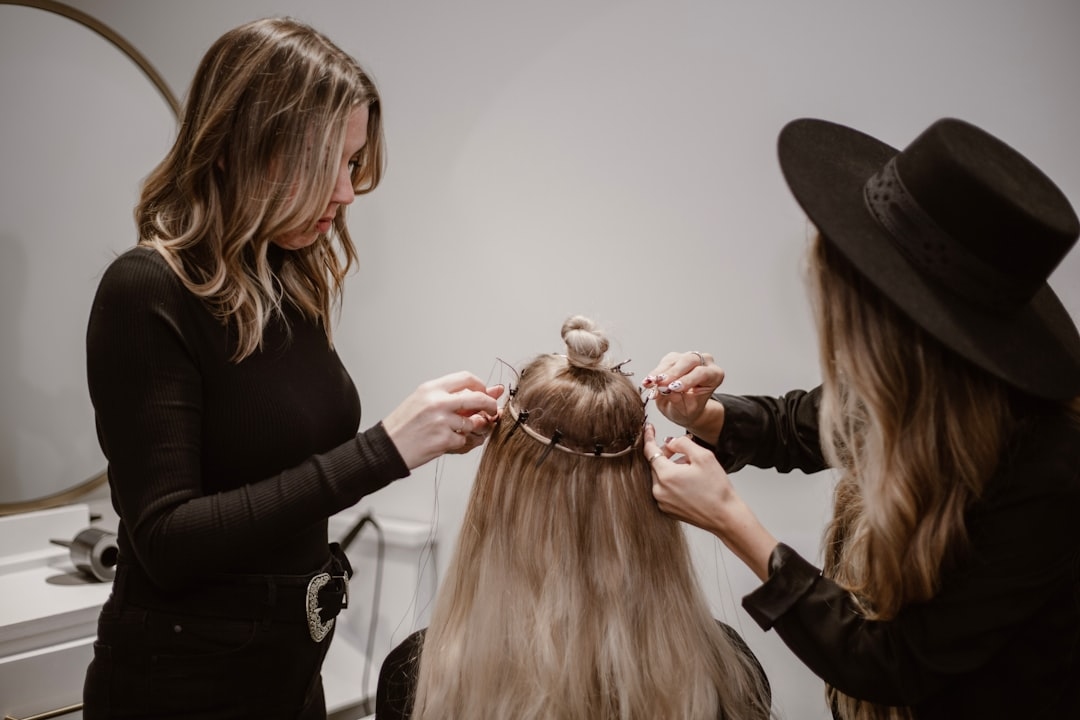
Most hair extensions are attached using four primary methods: tape-in bonds (adhesive strips), clip-ins (no permanent attachment), fusion bonds (keratin or polymer glued to individual strands), or sew-ins (braided onto cornrows). Each attachment type requires different removal approaches. Removing fusion or sew-in extensions incorrectly—ripping them out, using excessive heat, or applying harsh chemicals—breaks your natural hair at the point of attachment. The damage is permanent. Hair doesn’t heal or repair damage once it occurs.
Proper removal takes time and patience. Fast removal feels satisfying in the moment but costs you months of hair growth and repair. This guide covers every removal method, from professional salon removal to safe at-home techniques.
How to Remove Hair Extensions: By Attachment Type
Tape-In Extensions (Adhesive Bonds)
Tape-in extensions use medical-grade adhesive strips that attach to sections of your natural hair. Removal requires dissolving the adhesive, not yanking the tape off. The wrong approach rips out a chunk of natural hair with the extension.
Professional removal: Your salon uses a specialist adhesive remover (costs £40-80). They apply remover to the adhesive seal, wait 5-10 minutes for it to soften, then gently peel the tape away from your natural hair. This takes 45-60 minutes for a full head. Your natural hair remains intact.
At-home removal: Buy adhesive remover (brands like Bonder Off, £8-15). Apply to the tape adhesive, wait 10-15 minutes, then gently roll the tape away from your hair using your thumb. Work slowly—rushing this step causes hair breakage. Never pull the tape directly off without remover. You’ll remove natural hair with the extension.
Timeline: Tape-in extensions last 6-8 weeks before regrowth becomes visible. Removal takes 45 minutes to 2 hours depending on how many extensions you have.
Clip-In Extensions (No Adhesive)
Clip-in extensions are the safest removal method because there’s no adhesive or attachment to the hair—clips grip the base layer. Removal is instantaneous and risk-free.
Removal process: Simply click the clips open. No tools, no remover, no risk. Clip-ins take 3-5 minutes to remove from an entire head. This method is brilliant if you want flexibility (wear them one day, remove them the next). However, clip-ins shift during the day and feel less stable than other methods.
Timeline: Clip-ins last indefinitely if cared for properly. You remove and reattach them daily or weekly.
Fusion Bond Extensions (Keratin or Polymer Glue)
Fusion extensions use hot glue (keratin or polymer) to bond extension strands directly to your natural hair. Removal requires dissolving the bond. Incorrect removal causes catastrophic natural hair breakage.
Professional removal is strongly recommended: Your salon applies a specialised bond remover (acetone-based solvent) and uses a tool to break apart the glued bond. This takes 2-4 hours for a full head. Cost: £80-200. This is not a luxury—it’s protection for your hair. Do not attempt at-home fusion removal unless you have professional training.
If removing at home: Some people use acetone nail polish remover (cheaper, £2-4) to soften fusion bonds. Soak cotton wool in acetone, apply to each bond for 10-15 minutes, then gently slide the extension off with a loop tool or fine-tooth comb. This is slow, fiddly, and risky. If you slip or pull too hard, you break natural hair. Not recommended for first-timers.
Timeline: Fusion extensions last 8-12 weeks before significant regrowth. Removal takes 2-4 hours professionally, 4-8 hours at home.
Sew-In Extensions (Braided Attachment)
Sew-in extensions are woven onto cornrows (tight braids) along your scalp. Removal requires taking out the cornrows and carefully unravelling the sewn extensions.
Professional removal: Your salon carefully cuts the threads holding the extensions, unbraids the cornrows, and removes the extensions. They then shampoo and condition your natural hair. Cost: £60-120. Time: 2-3 hours. This prevents damage to your natural hair and scalp.
At-home removal: Buy small scissors or a seam ripper (£3-8). Carefully cut the threads connecting extensions to your cornrows. Gently unweave the extensions. Unbraid the cornrows slowly, working small sections at a time. This takes 3-6 hours and requires patience. The main risk is cutting your own hair whilst cutting threads—work carefully under good light. Take breaks to avoid hand cramps.
Timeline: Sew-in extensions last 6-10 weeks before regrowth becomes uncomfortable (cornrows become heavy and tight). Removal takes 2-3 hours professionally, 4-6 hours at home.
Professional Removal vs. At-Home: Decision Guide
Choose Professional Removal If:
- You have fusion bond extensions (highest breakage risk with incorrect removal).
- You have very fine or delicate natural hair prone to breakage.
- You’ve never removed extensions before and are nervous.
- You have sew-in extensions and don’t have 4-6 hours of patience.
- You want insurance against damage (salons stand behind their work).
At-Home Removal is Fine If:
- You have tape-in extensions (safest at-home method).
- You have clip-ins (no risk whatsoever).
- You have sew-in extensions and are comfortable with scissors and patience.
- Your natural hair is thick and resilient.
- You’re confident and have done this before.
Seasonal Timeline for Extension Removal (UK 2026)
Extension wear and removal follow predictable patterns across the UK year. January sees a spike in extension removals—people who got extensions for Christmas parties remove them as January budgets tighten. May-June experiences high removal rates as summer approaches (heavy extensions feel uncomfortable in heat). September-October sees another peak as people refresh before autumn/winter. December is busy with installations before holiday events.
If you’re planning removal, book salons in February, July, or October for shorter wait times and lower prices. Avoid December and early January when salons are slammed and prices peak.
Real Reader Story: Why Removal Matters
Rachel from Manchester installed fusion extensions in July 2025, loved them, then decided to remove them at home in October after a YouTube tutorial. She didn’t use bond remover—she tried to wiggle the extensions out. Halfway through, frustrated and exhausted, she pulled hard. Three extensions came off along with sections of her natural hair. That damage—permanent short pieces amongst longer hair—took 8 months to fully grow out and blend. She regrets rushing and not spending £100 on professional removal. Her advice: “The few hours of your time and £100 for professional removal is worth it to not have damaged hair for months.”
Step-by-Step: Tape-In Extension Removal (Most Popular At-Home Method)
- Gather supplies: Adhesive remover (£8-15), cotton wool pads, fine-tooth comb, sections clips, and a towel.
- Section your hair: Divide your head into 4-6 sections using clips. Work on one section at a time.
- Apply remover: Pour adhesive remover onto cotton wool and press against the tape adhesive for 30-60 seconds. Let it soak in.
- Wait: Give the remover 5-10 minutes to soften the adhesive. Don’t rush this step.
- Peel gently: Use your thumb to gently roll the tape away from your natural hair. Roll downward, never upward or sideways.
- Repeat: Continue on all tape bonds until all extensions are removed.
- Rinse: Shampoo your hair thoroughly to remove remover residue. Use gentle shampoo and warm water.
- Condition: Deep condition your hair for 15-20 minutes (extensions deplete moisture).
Total time: 60-90 minutes for a full head. Expected success: 95% if you follow each step carefully.
Common Mistakes People Make During Removal
- Not using remover for tape-in or fusion extensions: You’ll rip out natural hair. This is non-negotiable. Buy remover.
- Pulling whilst remover is still wet: Wait until adhesive is soft but not dripping. Timing matters. Test with your finger—if you can roll the tape, it’s ready.
- Yanking sew-in extensions: This causes traction alopecia (permanent hair loss). Cut threads carefully; don’t pull the braids out.
- Using scissors carelessly near your scalp: You only need to cut the thread connecting the extension to the braid. Don’t cut the braid itself or your natural hair.
- Rushing the process: Hurrying causes mistakes. Extension removal isn’t an event—it’s a process. Budget 2-3 hours and work slowly.
- Not deep conditioning after removal: Your natural hair is dehydrated from carrying extensions. It needs serious moisture. Skip the cheap conditioner and use a hydrating mask.
Aftercare Following Extension Removal
Your natural hair needs recovery after extensions. Extensions add weight and stress to your hair for weeks or months. Aftercare prevents breakage and helps hair feel strong again.
First Week After Removal
Shampoo gently (2-3 times, not daily). Use hydrating shampoo and rich conditioner. Avoid heat styling completely. Air-dry your hair or use a blow dryer on cool setting only. Sleep on a silk pillowcase to reduce friction.
Weeks 2-4
Continue gentle care. Deep condition weekly. Start light heat styling if needed, but keep temperature medium (not maximum). Use heat protectant spray (£2-5) before any heat. Reduce heat styling to 1-2 times weekly, not daily.
Month 2 Onward
Your hair should be recovering well. If you see breakage, split ends, or thinning, continue intensive conditioning. Get a trim every 4-6 weeks to remove damaged ends. Avoid wearing hair too tightly (buns, braids) which stresses weakened areas.
FAQ
How long does professional extension removal take?
Tape-in removal: 45-60 minutes. Fusion removal: 2-4 hours. Sew-in removal: 2-3 hours. These times assume a full head of extensions. Partial extensions take proportionally less time. Book appointments with realistic time expectations—removal takes longer than installation.
Can I reuse extensions after removing them?
Depends on the type. Clip-in extensions can be reused indefinitely if cared for. Tape-in extensions can sometimes be retaped (your salon replaces the adhesive) and reused, costing £40-80. Fusion and sew-in extensions are usually not reusable once removed—the attachment is damaged during removal. Check with your stylist about reuse options for your specific extensions.
What if my hair breaks during removal?
Stop immediately. Don’t continue the removal—book a professional appointment to finish safely. Short-term inconvenience is better than permanent damage. If breakage has already occurred, consult a stylist about damage assessment and recovery plan.
How long until my hair looks normal after extension removal?
Immediately after removal, your hair will look shorter and feel different. This is normal. After one deep conditioning treatment, texture improves dramatically. After 1-2 weeks of proper care, your hair looks healthy again. If you experience breakage, recovery takes 4-8 weeks as damaged ends are trimmed gradually.
Can I wash my hair the same day as extension removal?
Yes. After professional removal, you can wash that evening. After at-home tape-in removal, wait 2-4 hours before washing to let your scalp settle. After sew-in removal, wash the next day (your scalp may be tender from tight braids). Always use gentle shampoo and lukewarm water, never hot.
How to remove hair extensions safely is a skills question, not a time question. Taking an extra hour to do it properly beats spending months repairing damage. If you’re nervous, book a professional. If you’re confident with tape-in extensions and have removed them before, at-home removal is fine. The key is matching your skill level to your extension type. Get this right, and your natural hair emerges ready for whatever comes next—whether that’s going extension-free for a season or installing new ones immediately. Your hair’s health is the priority.
+ There are no comments
Add yours