







Contents:
- Understanding Your Hair After Pregnancy
- How to Style Postpartum Hair Regrowth: Core Techniques
- Layering as Your Foundation
- Building Texture and Volume
- Wave and Curl Patterns
- Product Strategy for Postpartum Hair Regrowth
- Shampoo and Conditioning Approach
- Styling Products for Grip and Hold
- Regional Approaches to Postpartum Hair Styling
- Common Mistakes to Avoid
- Daily Styling Routine for Postpartum Hair
- Preparation
- Blow-Drying
- Wave or Curl Creation
- Final Finishing
- Budget Breakdown for Postpartum Hair Styling
- When to Seek Professional Help
- Frequently Asked Questions
- How long does postpartum hair regrowth take to blend with existing hair?
- Is it safe to colour or chemically treat hair during postpartum regrowth?
- Will supplements or supplements help my postpartum hair regrowth?
- Can I use heat styling tools on fragile new regrowth?
- What’s the best hairstyle if I’m still losing substantial hair postpartum?
- Moving Forward With Confidence
In Victorian England, women wore elaborate bonnets and wraps during their postpartum recovery period—not merely for modesty, but to manage the very visible changes happening on their heads. Hair loss and regrowth during the postpartum months was so common that styling solutions became a cultural necessity, discussed as openly in drawing rooms as the weather. Fast forward to 2026, and whilst our circumstances have changed, the challenge remains remarkably similar. That distinctive fringe of new baby hairs and patchy regrowth still marks the postpartum phase, demanding practical styling answers.
Postpartum hair regrowth is a biological reality faced by thousands of people each month in the UK. The process is neither mysterious nor insurmountable, but it does require specific knowledge and technique. This guide equips you with straightforward strategies to style and manage that distinctive new growth, moving past the awkward phase with genuine style rather than wishful thinking.
Understanding Your Hair After Pregnancy
Hair changes after pregnancy stem from hormonal shifts, specifically the drop in oestrogen that occurs postpartum. During pregnancy, elevated oestrogen extends the growth phase of hair, meaning fewer hairs shed. After delivery, hormones normalise, and those extended hairs enter the shedding phase simultaneously—a phenomenon called telogen effluvium. This creates the dual challenge: visible hair loss combined with emerging new growth at the scalp.
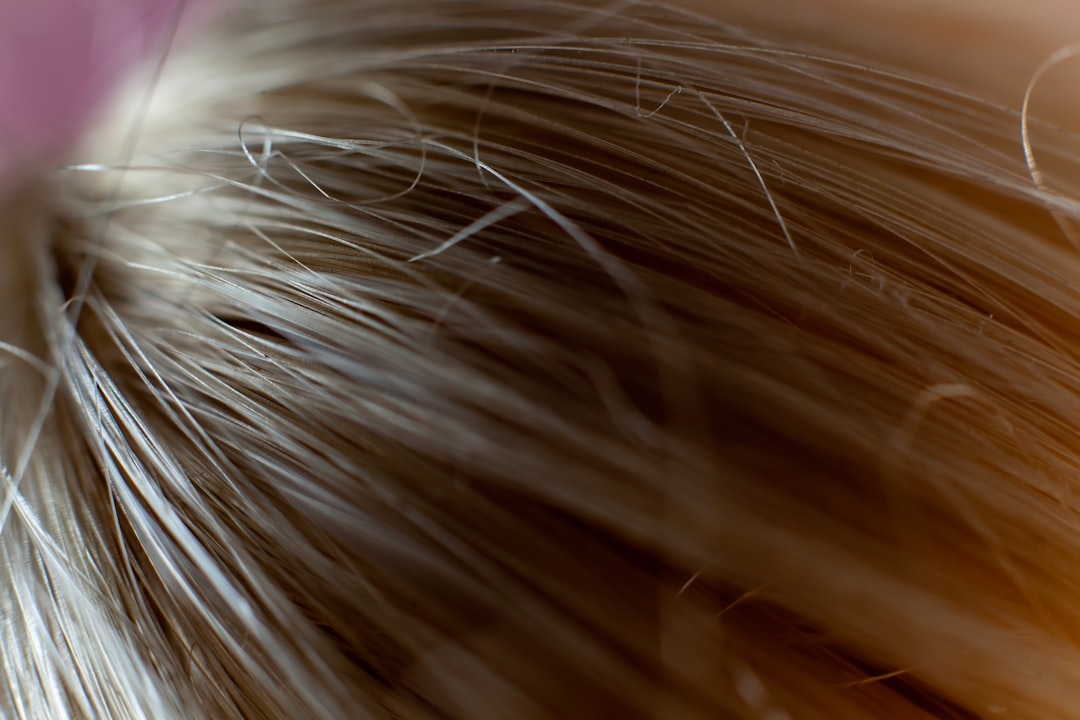
The regrowth typically begins around three to four months postpartum and becomes most noticeable between six and twelve months. These new hairs are often finer and shorter, creating texture variations across the scalp. Understanding this timeline helps you plan your styling strategy rather than fighting against natural cycles.
The new growth phase typically lasts eighteen to twenty-four months. During this period, you’ll see progressive lengthening and integration of these shorter hairs with the rest of your hair. The goal isn’t to hide this entirely—it’s to work with your hair’s current texture and length distribution to create polished, intentional styles.
How to Style Postpartum Hair Regrowth: Core Techniques
Styling postpartum regrowth requires three complementary approaches: strategic layering, texture building, and smart product selection. These techniques work together to blur visible regrowth patterns and create cohesive styling from scalp to ends.
Layering as Your Foundation
A textured, layered cut forms the essential foundation for managing postpartum regrowth. Unlike blunt styles that draw attention to length variations, layers blend shorter and longer hair naturally. Request choppy, disconnected layers rather than subtle graduation—the contrast itself becomes a design feature rather than a styling problem.
The most effective layering includes shorter pieces around the face and crown, where new growth is typically most visible. These shorter sections integrate seamlessly with incoming regrowth, whilst longer pieces underneath add weight and dimension. A skilled stylist can create a cut that actually improves visually as the new hair grows in, rather than deteriorating over months.
Costs for this type of cut typically range from £45 to £85 in UK salons, depending on your location and stylist experience. Quarterly trims during the regrowth phase (roughly every ten to twelve weeks) maintain this effect and cost approximately £180 to £340 annually for cuts alone.
Building Texture and Volume
Fine regrowth lacks the density to create volume independently. Texture products and styling techniques compensate by creating visual thickness and surface interest. Dry shampoo, texturising sprays, and sea salt sprays build grip and separation among hairs, making thin new growth appear fuller.
Dry shampoo works through tiny particles that grip individual hair strands and absorb scalp oils, creating apparent volume at the roots. Apply it to damp hair before blow-drying for best results. Texturising sprays add grip and separation without the weight of traditional styling products. Sea salt sprays create beachy, undone texture that disguises regrowth patterns beautifully.
A quality dry shampoo (Bumble and bumble, Briogeo, or Kérastase brands) costs £12 to £28 per aerosol can, typically lasting six to eight weeks with regular use. Texturising sprays run £8 to £18 and offer similar longevity. Combined, these tools represent roughly £20 to £30 monthly investment.
Wave and Curl Patterns
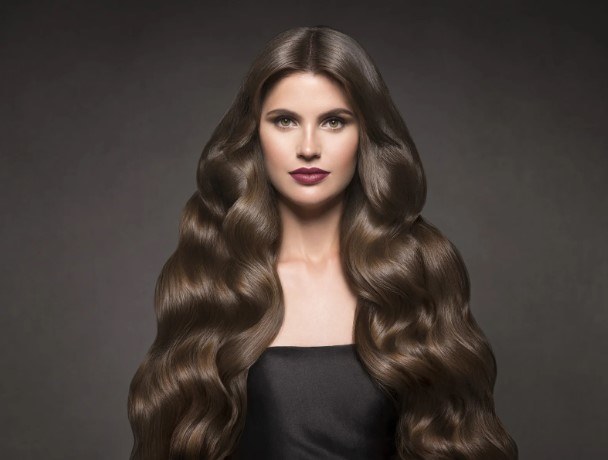
Waves and curls disguise regrowth more effectively than straight styles. The texture and movement created by waves or curls break up visible length variations and create visual cohesion across different hair densities. Even naturally straight hair benefits from deliberate wave patterns during the regrowth phase.
Soft waves achieved through blow-drying with a round brush or curling iron create a polished appearance that tolerates regrowth variation well. The key is creating waves throughout the full length, not just the ends, so shorter regrowth participates visually in the overall texture pattern rather than standing apart.
Tighter curl patterns work even more effectively. If your natural hair has any wave tendency, enhancing it with proper technique amplifies the visual benefit. For straight hair, a straightening iron used with a slight twisting motion creates lasting wave patterns.
Product Strategy for Postpartum Hair Regrowth
The right products support your styling efforts without weighing hair down or creating buildup that makes regrowth more obvious. Lightweight, moisture-focused products work better than heavy styling creams during this phase.
Shampoo and Conditioning Approach
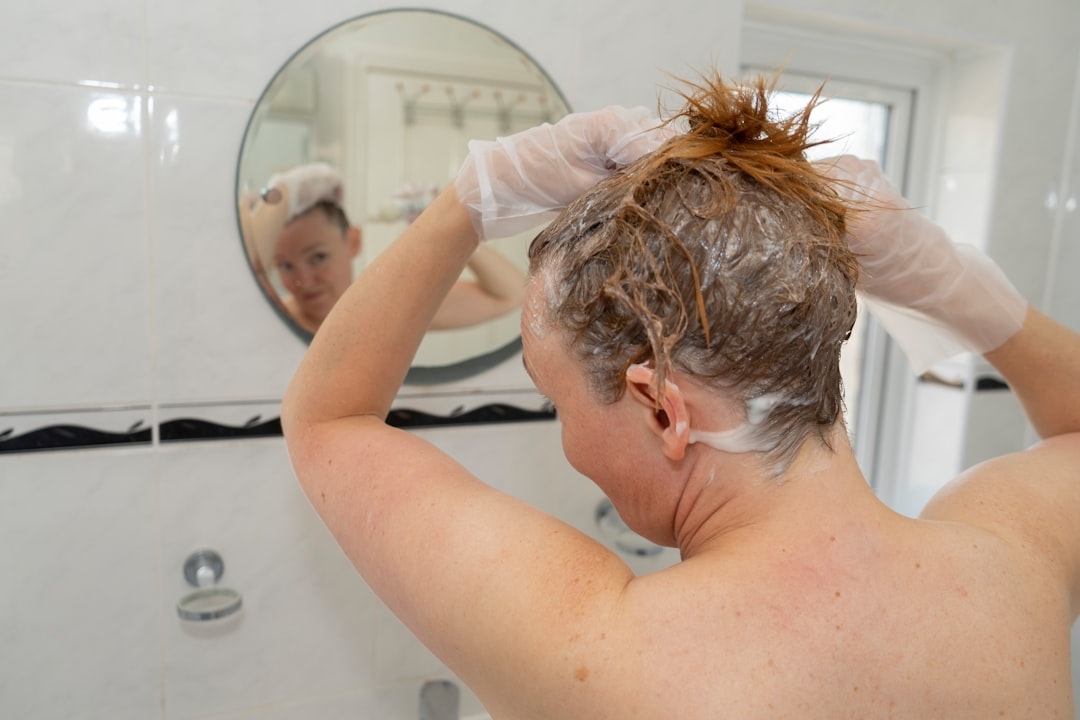
Use a gentle, clarifying shampoo twice weekly to prevent product buildup at the scalp where regrowth is most visible. Buildup creates flatness and makes new growth appear dull and lifeless. Clarifying shampoos remove mineral deposits and product residue without stripping moisture.
Condition primarily the mid-lengths and ends, avoiding the scalp entirely. This prevents weighing down fine regrowth whilst maintaining hydration where hair is drier and older. A leave-in conditioner or hydrating spray applied to damp hair before styling provides moisture without the heaviness of rinse-out conditioner.
Recommended products: Kérastase Fusio-Scrub (£22), followed by a lightweight conditioner like Bumble and bumble Thickening Full Form Mousse (£26). Monthly product costs approximately £15 to £20.
Styling Products for Grip and Hold
Mousse and light sprays outperform gels and pomades during postpartum regrowth. Mousse adds volume and hold without creating visible residue or crunchiness. Volumising spray applied to the roots before blow-drying boosts grip and separation amongst thin hairs.
Light hairsprays work better than firm-hold varieties, which tend to clump fine regrowth together visibly. Apply spray in light mists rather than heavy coats, building hold gradually. This approach provides control without the artificial appearance that heavy product creates on thin new growth.
Regional Approaches to Postpartum Hair Styling
Styling preferences and salon conventions vary meaningfully across UK regions. London and Southeast salons lean toward modern, choppy textured cuts with bold styling. Northern England favours fuller, rounder shapes with softer texture blending. Scotland often embraces stronger wave patterns and texture-forward approaches. Wales tends toward practical, low-maintenance styling that works with natural hair patterns rather than against them.
These regional preferences matter because your local salon culture influences the cut and technique you’ll receive. A cut designed for London’s texture-forward aesthetic might read as too choppy if you prefer Northern styling conventions. Discussing your regional comfort level with your stylist ensures the cut suits both your regrowth challenge and your personal style preferences.
Common Mistakes to Avoid
Several widespread styling approaches actively worsen postpartum regrowth visibility. Understanding these mistakes prevents wasting time and money on ineffective strategies.
Blunt cuts: Whilst tempting, blunt haircuts emphasise length variations between regrowth and existing hair. The sharp line at the ends draws attention to inconsistencies rather than disguising them. Textured, layered cuts work dramatically better.
Heavy conditioning and oils: Whilst hair needs hydration, over-conditioning weighs fine regrowth flat against the scalp, making it more visible. Lightweight conditioners and leave-in products work better than heavy creams and oils.
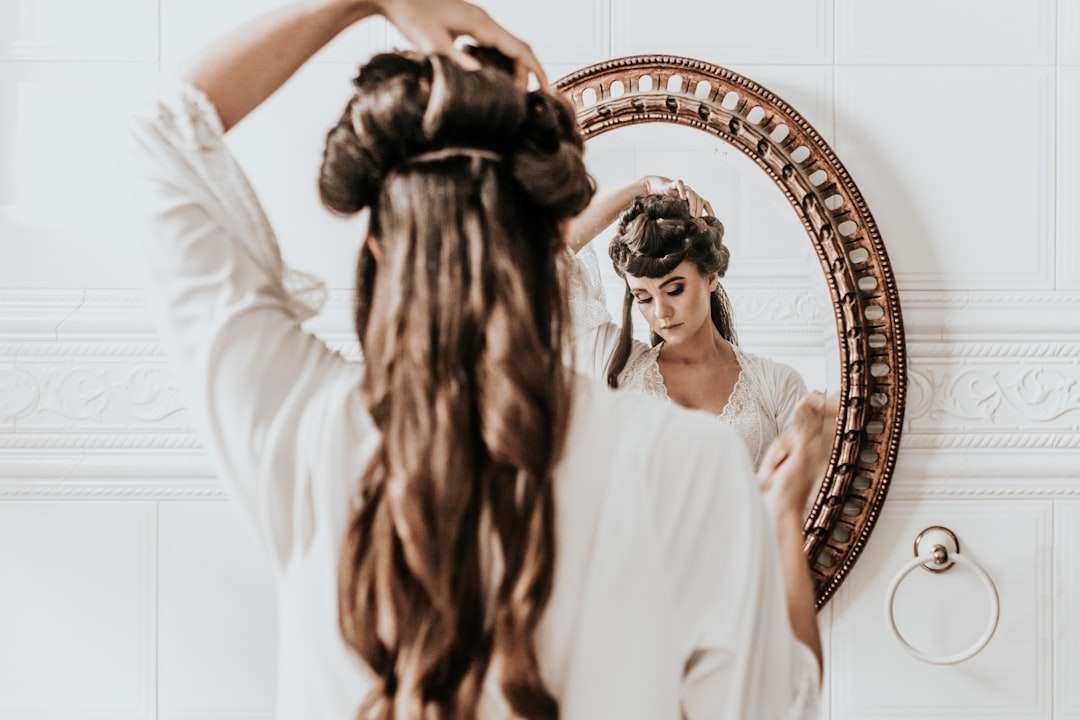
Pulling hair back tightly: High ponytails and tight buns expose the regrowth-covered scalp, drawing focus precisely where you don’t want it. Looser styles, side parts, and face-framing pieces conceal regrowth far more effectively.
Straightening all hair: Straight styles highlight regrowth texture differences. Waves and curls blur these variations. If you prefer straight styles, incorporate subtle waves or texture rather than committing to entirely straight hair.
Skipping trims: Many people space out haircuts during postpartum regrowth to “preserve length.” This actually worsens regrowth appearance because unhealthy ends split and fray, drawing attention to length variations. Quarterly trims maintain healthy ends and a clean shape that accommodates ongoing regrowth.
Daily Styling Routine for Postpartum Hair
A consistent routine takes fifteen to twenty minutes daily and transforms regrowth management from a constant struggle into automated strategy. Here’s an effective approach:
Preparation
Apply texturising spray to damp roots before blow-drying. This adds grip and separation before heat styling, maximising the effect. Focus application on areas where regrowth is most visible, typically the front hairline and crown.
Blow-Drying
Use a medium-heat setting with a concentrator nozzle. Direct the nozzle downward along the hair shaft, smoothing the cuticle and creating shine. Work through the hair systematically, section by section, rather than haphazardly.
For volume at the crown, blow-dry against your natural hair growth direction whilst the hair is damp, then smooth it down as it dries. This creates lift that lasts throughout the day.
Wave or Curl Creation
Use a 25mm barrel curling iron or round brush depending on your preferred wave size. Create waves throughout the full hair length, not just the ends. The waves should touch the scalp area where regrowth is most visible, breaking up that texture difference visually.
Work in small sections (roughly the width of your comb), curling away from the face around the front and sides. Alternate the direction of waves for a natural, undone appearance rather than uniform ringlets.
Final Finishing
Once all waves are created, apply light hairspray in two or three light mists rather than one heavy application. This sets the style without creating visible product buildup. A volumising mousse applied to the roots after wave creation adds invisible support and lift.
Budget Breakdown for Postpartum Hair Styling
Managing postpartum regrowth costs vary based on your approach. Here’s a realistic quarterly estimate for the UK market:
- Haircuts: £45–£85 per cut, four times yearly = £180–£340 annually
- Styling products: Dry shampoo, texturising spray, mousse, conditioner = £60–£80 quarterly
- Blow-dry tools: One-time investment of £30–£60 for a quality curling iron or round brush (amortised)
- Professional styling (optional): Weekly blow-dry at a salon (£25–£40) or occasional appointments = £100–£160 monthly if chosen
Total monthly cost without professional styling: £45–£70. With regular salon blow-dry services: £145–£230. Most people manage effectively with product-based styling at home, reserving salon visits for cuts and occasional professional styling when they need a confidence boost.
When to Seek Professional Help
Certain situations warrant professional guidance beyond routine salon cuts. If hair loss feels excessive (more than the expected postpartum shedding), consult your GP to rule out nutritional deficiencies or thyroid issues. Postpartum hair loss typically stabilises within twelve months; persistent loss beyond this timeline deserves medical evaluation.
If your regrowth appears patchy or uneven rather than distributed across your scalp, a trichologist can assess whether pattern-based hair loss is occurring. Early intervention for conditions like postpartum alopecia areata makes treatment more effective.
A colour-specialist stylist helps if you’re considering colour to blend regrowth with existing hair. Root blending techniques and strategic highlights (£60–£120 depending on your hair length and complexity) create seamless colour that disguises the regrowth line.
Frequently Asked Questions
How long does postpartum hair regrowth take to blend with existing hair?
New regrowth typically reaches shoulder-length within eighteen to twenty-four months, though this varies based on your hair growth rate and desired style length. During this period, with proper styling and layering, the new growth visibly integrates within three to six months once you’ve adopted the techniques in this guide.
Is it safe to colour or chemically treat hair during postpartum regrowth?
Chemical treatments during the regrowth phase are generally safe, but timing matters. Wait until any postpartum shedding has substantially slowed (usually by six months postpartum) before permanent treatments like relaxers or perms. Temporary colour, root blending, and highlights are safer options during active regrowth.
Will supplements or supplements help my postpartum hair regrowth?
Adequate protein, iron, and zinc support healthy hair growth. If your diet lacks these nutrients, supplementation may help, but scientific evidence shows supplements don’t accelerate regrowth in people with adequate baseline nutrition. Focus on whole foods: red meat, eggs, legumes, and leafy greens provide these nutrients effectively. Consult your GP before starting supplements, especially if breastfeeding.
Can I use heat styling tools on fragile new regrowth?
Yes, with precaution. New regrowth is finer but not inherently more fragile if healthy. Always use a heat protectant spray before blow-drying or curling. Keep heat settings moderate (medium rather than high) and avoid concentrating heat on the same small area for extended periods. Limit heat styling to five days weekly, allowing two days for hair rest and natural drying.
What’s the best hairstyle if I’m still losing substantial hair postpartum?
During active postpartum shedding, looser styles that don’t pull on the scalp reduce additional hair loss from tension. Side parts, soft waves, and loose braids are gentler than tight buns or pulled-back styles. Avoid frequent styling that requires manipulation of the same hair section. Once shedding slows (typically by six months), you can return to your preferred styles more freely.
Moving Forward With Confidence
The postpartum regrowth phase is temporary, but it requires active management rather than passive acceptance. The styling techniques and product strategies outlined here address the specific challenge of fine, shorter new growth by working with your hair’s current characteristics rather than fighting against them.
Start with a cut from a stylist experienced in postpartum hair management—this single change improves outcomes more than any product can. Build your texture-focused styling routine gradually, adding one technique weekly until the full routine becomes automatic. Track which products and approaches work best for your hair type and regrowth pattern, refining your strategy quarterly as your hair continues growing and integrating.
By month nine or ten postpartum, with consistent application of these approaches, you’ll notice your new growth has visibly integrated with existing hair. The styling challenge that felt overwhelming in months three through six becomes manageable, then invisible. Use this knowledge to style intentionally through the regrowth phase rather than waiting for it to resolve on its own.
+ There are no comments
Add yours