





Contents:
- Why the Slicked-Back Look Works
- Understanding Your Hair Type and Product Needs
- Straight Hair
- Wavy Hair
- Curly or Coily Hair
- Fine or Thin Hair
- Thick or Dense Hair
- Essential Products for Slicking Back Hair
- Pomades (£5–£18)
- Hair Gels (£2–£10)
- Styling Creams (£6–£14)
- Hairspray (£1.50–£6)
- Step-by-Step Technique for Perfect Results
- Step 1: Start with Damp Hair
- Step 2: Apply Product to Your Palms
- Step 3: Work Product Through Your Hair
- Step 4: Comb Backward Firmly
- Step 5: Define Your Style
- Step 6: Apply Hairspray (Optional but Recommended)
- Step 7: Let It Set
- Common Mistakes to Avoid
- Using Too Much Product
- Applying Product to Dry Hair
- Not Combing Long Enough
- Using a Brush Instead of a Comb
- Choosing the Wrong Product for Your Hair Type
- Skipping the Hairspray
- Maintenance Throughout the Day
- Washing and Aftercare
- Removing Product
- Shampooing Frequency
- Deep Conditioning
- Adapting the Style for Different Hair Lengths
- Short Hair (Under 3 Inches)
- Medium Hair (3–5 Inches)
- Longer Hair (5+ Inches)
- Styling Variations
- Slicked Back with Side Part
- Slicked Back Fade or Undercut
- Slicked-Back Quiff
- Wet-Look Slicked Back
- Troubleshooting Common Issues
- Your Hair Won’t Stay Slicked Back
- Your Hair Looks Greasy
- Flyaways and Frizz
- Product Flakes in Your Hair
- Hair Breakage or Damage
- Frequently Asked Questions
- How long does a slicked-back style typically last?
- Can I slick back curly hair?
- Is a comb necessary, or can I use my fingers?
- Should I apply product before or after dampening my hair?
- How often can I safely style my hair this way without damage?
- Moving Forward: Making It Your Own
A slicked-back hairstyle commands attention. It’s sharp, it’s deliberate, and it suggests you’ve got your life together—even if you’re just heading from your bedroom to the kitchen. The beauty of mastering how to slick back hair is that it works whether you’re preparing for a formal event, a night out, or simply feeling like presenting a polished version of yourself on a Tuesday afternoon.
But here’s what catches most people off guard: getting that sleek, controlled look without your hair looking wet, matted, or plastered requires precision. The right product choice, proper application technique, and understanding your hair type can mean the difference between a sharp, sculpted finish and a greasy, limp mess.
This guide walks you through everything you need to know—from selecting the right styling product to troubleshooting common mistakes—so you can achieve that flawless slicked-back look consistently.
Why the Slicked-Back Look Works
The slicked-back hairstyle has endured for over a century. From 1920s gangsters to modern corporate professionals, this style signals control and intentionality. Unlike tousled or textured styles that suggest effortlessness, a slicked-back look announces that you’ve made deliberate choices about your appearance.
For those with limited space in a small apartment, the slicked-back style is remarkably practical. It requires minimal tools—just a comb, a product, and a mirror. You won’t need a blow dryer, multiple brushes, or elaborate styling equipment. That simplicity is part of its appeal.
The style also works across hair types. Whether your hair is straight, wavy, or curly, you can adapt the technique. The key difference lies in product selection and hold strength.
Understanding Your Hair Type and Product Needs
Before you can perfect slicking back your hair, you need to assess what you’re working with. Your hair’s natural texture, thickness, and length all influence which products and techniques will deliver the best results.
Straight Hair
Straight hair is the easiest to slick back. It responds well to most products and holds the style with minimal effort. A light pomade or styling cream (£5–£10) often provides sufficient hold without weighing your hair down. Because straight hair naturally lies flat, you’ll achieve definition quickly.
Wavy Hair
Wavy hair presents a slight challenge: you’re fighting natural texture that wants to spring back up. A medium-hold gel or pomade (£4–£12) works better than light formulas. You may need to spend an extra 30–60 seconds combing the product through to ensure every wave is controlled and pushed backward.
Curly or Coily Hair
Curly and coily hair requires a stronger hold and heavier product. Look for firm-hold pomades, thicker creams, or even waxes (£6–£15). The product must be worked through more thoroughly, and you’ll likely need hairspray as a final step to prevent frizz and maintain structure throughout the day.
Fine or Thin Hair
Fine hair requires a lighter touch. Heavy products will weigh your hair flat against your scalp, making it look thinner. Use volumizing pomades or lightweight gels (£3–£8) in smaller quantities. A water-based formula works especially well.
Thick or Dense Hair
Thick hair can handle heavier products without looking flat. Pomades, creams, and even waxes work well. You’ll have more flexibility in product choice and can often use a generous amount without compromising the look.
Essential Products for Slicking Back Hair
The foundation of a great slicked-back style rests on choosing the right product. Prices vary, but quality options exist at every budget level.
Pomades (£5–£18)
Pomades are the traditional choice for slicked-back hairstyles. They provide excellent hold and create that lustrous shine associated with classic looks. Pomades come in two main types:
- Oil-based pomades: Stronger hold, shinier finish, but harder to wash out. Best for thick or curly hair. Examples: Brylcreem (£4–£6), Dapper Dan (£12–£15).
- Water-based pomades: Easier to wash out, less shine, medium hold. Better for fine hair and daily wear. Examples: Murray’s (£3–£5), Layrite (£10–£13).
Hair Gels (£2–£10)
Strong-hold gels provide maximum control and a sleek finish without as much shine as pomades. They’re often lighter and wash out more easily. Gels work particularly well if you want a matte or semi-matte finish rather than high shine. Brands like Schwarzkopf Got2b (£2–£3) and L’Oréal Studio Line (£3–£5) offer budget-friendly options.
Styling Creams (£6–£14)
Styling creams offer a middle ground: more hold than a pomade but a natural matte finish. They’re heavier than gels but lighter than traditional pomades. They work well for most hair types and are particularly good for those seeking a less shiny, more modern look. Brands like American Crew (£10–£13) are popular in the UK.
Hairspray (£1.50–£6)
A strong-hold hairspray is essential for setting your style and preventing flyaways throughout the day. Use it as a final layer after combing and product application. Brands like Tresemmé (£1.50–£2) and TRESemmé Freeze Hold (£2–£3) offer excellent value.
- Entry-level pomade or gel: £2–£5 (lasts 2–3 months with regular use)
- Mid-range product: £8–£12 (lasts 3–4 months)
- Premium option: £14–£18 (lasts 4–6 months)
- Hairspray: £1.50–£3 (lasts 1–2 months)
- Total monthly cost: £1–£5
Step-by-Step Technique for Perfect Results
The technique matters as much as the product. Here’s exactly how to slick back your hair like a pro.
Step 1: Start with Damp Hair
Dampen your hair with water—not soaking wet, but noticeably damp. Use your fingers or a spray bottle. Damp hair is more pliable and easier to shape. If your hair is completely dry, the product won’t distribute evenly. If it’s dripping wet, you’ll struggle to get definition.
Step 2: Apply Product to Your Palms
Dispense product into your palms. For short hair (under 4 inches), use about a 50p-sized amount. For longer hair, use slightly more. Rub your palms together to warm the product and distribute it evenly.
Step 3: Work Product Through Your Hair
Run your hands through your hair, starting at the front hairline and moving backward toward the crown and nape. Ensure every strand comes into contact with the product. This step typically takes 30–45 seconds. Don’t rush it—uneven product distribution leads to patchy hold.
Step 4: Comb Backward Firmly
Using a fine-toothed comb (wood combs work better than plastic), start at your hairline and comb steadily backward. Apply firm, consistent pressure. Repeat this motion 3–5 times, ensuring every strand is pushed back and aligned. This is where your style takes shape.
Step 5: Define Your Style
If you want a deep side part, comb that side more aggressively. For a uniform sleek-back, comb with equal pressure across. Use the comb’s teeth to neaten edges and define your parting if desired.
Step 6: Apply Hairspray (Optional but Recommended)
Hold a can of strong-hold hairspray about 20–25 centimetres from your head and apply a light, even coat. This locks the style in place and prevents flyaways. Avoid over-applying—one light coat is sufficient.
Step 7: Let It Set
Wait 2–3 minutes before touching your hair. The product needs time to dry slightly and set the style. Once set, your style should hold for 8–12 hours, depending on your hair type and the product strength.
Common Mistakes to Avoid
Even small errors derail your slicked-back style. Here’s what to avoid.
Using Too Much Product
Excess product weighs hair down, makes it look greasy, and actually reduces hold because the product becomes too slippery. Start with a smaller amount and add more only if needed. You can always add; you can’t easily remove.
Applying Product to Dry Hair
Dry hair won’t absorb or distribute product evenly. You’ll get clumpy patches and inconsistent shine. Always dampen your hair first.
Not Combing Long Enough
Rushing the combing step is the primary reason styles fail mid-day. Spend 60–90 seconds combing to ensure complete alignment. Patience at this stage pays dividends in longevity.
Using a Brush Instead of a Comb
Brushes distribute product more broadly but don’t align individual hairs. Fine-toothed combs give superior control and definition. Invest in a decent comb (£2–£5).
Choosing the Wrong Product for Your Hair Type
A heavy pomade on fine hair looks limp. A light gel on thick, curly hair won’t hold. Match your product to your hair type (as outlined earlier) for best results.
Skipping the Hairspray
Hairspray isn’t essential, but it extends your style’s lifespan significantly—often by 4–6 additional hours. It’s especially important if you’re heading out in windy conditions or have fine hair prone to frizz.
Maintenance Throughout the Day
Your slicked-back style doesn’t require constant attention, but a few simple habits keep it looking sharp.
Carry a small comb: A pocket-sized comb (£1–£2) lets you make quick touch-ups if your style loosens. A few swift combing strokes restore definition.
Avoid excessive touching: Each time you run your hands through your hair, you disturb the alignment. Keep your hands off unless necessary.
Keep hairspray handy: If you’re out for the day, a small travel-size hairspray (£2–£3) lets you refresh the hold without reapplying product.
Be mindful of hats: Wearing a hat will compress and alter your style. If you must wear one, plan to recomb afterward or accept a slightly looser look.
Washing and Aftercare
Proper removal and hair care preserve your hair’s health and keep it ready for the next styling session.
Removing Product
Water-based products rinse out easily with warm water and shampoo. Oil-based pomades require more effort—consider using a pre-wash oil treatment or applying shampoo directly to dry hair before wetting. Massage gently for 30–45 seconds to break down the pomade, then rinse thoroughly.
Shampooing Frequency
Daily shampooing can strip natural oils, leaving hair dry and brittle. Shampoo every 2–3 days, or use dry shampoo on off days to refresh your hair without washing. Conditioner should be used after every shampoo, especially if using oil-based products regularly.
Deep Conditioning
Once weekly, apply a deep conditioner or hair mask (£4–£8) to maintain softness and prevent damage from regular styling product use. Leave it on for 10–15 minutes.
Adapting the Style for Different Hair Lengths
The slicked-back look works across various lengths—you just need to adjust your approach.
Short Hair (Under 3 Inches)
Perfect for sleek results with minimal product. The challenge: less hair to work with means any product overapplication looks obvious. Use lighter formulas and smaller amounts. This length often requires less combing and dries faster.
Medium Hair (3–5 Inches)
The sweet spot for slicked-back styling. You have enough length for definition but not so much that it becomes unruly. Medium-hold products work well at this length.
Longer Hair (5+ Inches)
Longer hair allows for more dramatic styling but requires stronger hold products and more thorough product application. You may need to comb more deliberately to ensure the back and sides stay controlled. Consider a ponytail or slicked-back bun as an alternative interpretation of the style.
Styling Variations
Once you master the basic slicked-back look, explore variations that suit different occasions and preferences.
Slicked Back with Side Part
Comb most of your hair straight back, but define a sharp side part on one side. This adds a touch of sophistication and works particularly well for formal settings.
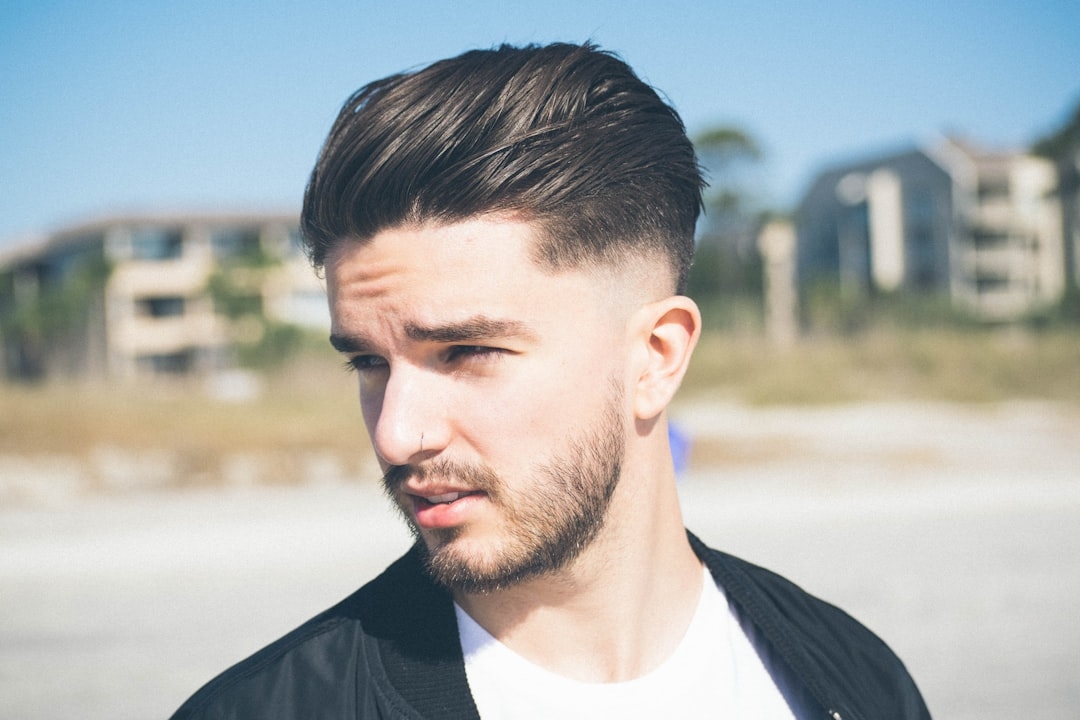
Slicked Back Fade or Undercut
If you have an undercut or fade, the contrast between short sides and longer, slicked-back top creates visual impact. The slicked-back product helps define the style boundary.
Slicked-Back Quiff
Instead of combing straight back, comb backward and slightly upward at the front, creating a subtle lift. This variation adds dimension while maintaining sleekness.
Wet-Look Slicked Back
For a more dramatic effect, use a heavier pomade and apply extra hairspray to create a shiny, wet appearance. This suits evening events or nightlife.
Troubleshooting Common Issues
Your Hair Won’t Stay Slicked Back
Cause: weak product hold or not enough product. Solution: switch to a stronger-hold product or increase the amount slightly. Ensure you’re using a fine-toothed comb and combing firmly. Apply hairspray as a final step.
Your Hair Looks Greasy
Cause: too much product or the wrong type for your hair. Solution: use less product (start with a smaller amount) or switch to a water-based formula if using oil-based. Ensure you’re distributing product evenly—clumping creates a greasy appearance.
Flyaways and Frizz
Cause: product isn’t strong enough or you’re skipping hairspray. Solution: use a strong-hold hairspray, or switch to a stronger-hold product. Ensure your hair is adequately damp at the start, and work product through thoroughly.
Product Flakes in Your Hair
Cause: gel or product drying unevenly or applied too heavily. Solution: use less product, ensure even distribution, and avoid reapplying product multiple times throughout the day. Some gels naturally flake; switching brands may help.
Hair Breakage or Damage
Cause: aggressive combing, overly harsh products, or daily heavy styling without proper care. Solution: comb gently but firmly (not roughly), condition regularly, limit to 5 days per week if concerned, and ensure you’re using a proper comb—never pull or force hair.
Frequently Asked Questions
How long does a slicked-back style typically last?
With a quality product and hairspray, expect 8–12 hours of hold. Water-based products tend to last toward the shorter end; oil-based pomades often exceed 12 hours. The hold degrades if you sleep on your hair or expose it to rain or heavy humidity.
Can I slick back curly hair?
Yes, but it requires a stronger product and more thorough application. Use a firm-hold pomade or wax, apply to damp hair, and work through thoroughly. Comb multiple times to ensure every curl is pushed back and aligned. Hairspray is essential. The result won’t be as smooth as on straight hair, but a controlled, sculpted look is achievable.
Is a comb necessary, or can I use my fingers?
A fine-toothed comb delivers superior results by aligning individual hairs. Fingers alone won’t create the same definition. That said, fingers are better than nothing—they’ll get you 70% of the way there. For best results, invest a few pounds in a decent comb.
Should I apply product before or after dampening my hair?
Dampen your hair first, then apply product. Damp hair allows product to distribute evenly and absorb properly. Applying product to dry hair results in patchy coverage.
How often can I safely style my hair this way without damage?
Daily styling is safe if you use proper products and comb gently. Wash your hair every 2–3 days, condition regularly, and deep condition weekly. If you notice breakage, reduce frequency to 4–5 days per week and focus on hair health with masks and treatments.
Moving Forward: Making It Your Own
You now understand the full process of how to slick back hair successfully. The technique is straightforward, the products are affordable, and the results are reliably sharp when you follow these steps.
The first time you execute this style, budget an extra 2–3 minutes—you’ll move faster once you’re familiar with the motions. After a week of practice, you’ll complete the entire process in under 5 minutes without thinking about it.
Start with a budget-friendly product (pomade or gel under £5) and adjust from there. If the hold isn’t what you want, try a different product rather than using more. Most people find success on their first or second attempt, and refinement follows naturally with repetition.
Whether you’re aiming for a formal event, daily polish, or simply exploring a new style, the slicked-back look offers versatility, control, and timeless appeal. With the right product, technique, and maintenance habits, you’ll achieve consistently professional results in minimal time.
+ There are no comments
Add yours