






Contents:
- The Myth That Shampoo Ruins Your Hair
- How Shampoo Works: The Science Behind Cleansing
- When Is Shampoo Bad for Your Hair?
- Aggressive Ingredients and Daily Stripping
- Heat, Colour-Treating, and Chemical Damage
- Over-Washing in General
- Is Shampoo Bad for Your Hair? The Honest Answer
- Choosing a Shampoo That Won’t Damage Your Hair
- Read the Ingredient List
- Match Product to Hair Type
- Sustainable and Budget-Conscious Options
- Practical Steps to Prevent Shampoo Damage
- FAQ: Common Questions About Shampoo and Hair Damage
- Can I stop using shampoo entirely?
- Does shampoo cause hair loss?
- Is sulphate-free shampoo always better?
- How long does it take to see damage from bad shampoo?
- Can expensive shampoo prevent all damage?
- Moving Forward With Confidence
The Myth That Shampoo Ruins Your Hair
For the past decade, the internet has circulated a persistent claim: shampoo damages your hair. Social media influencers promote “no-poo” methods. Wellness blogs declare that conventional shampoos strip natural oils and cause long-term harm. The message is compelling and simple. Yet the evidence tells a far more nuanced story. Is shampoo bad for your hair? The honest answer is that most quality shampoos are safe, but the wrong product—or incorrect usage—can indeed cause problems.
The real issue isn’t shampoo itself, but rather which shampoos you’re using, how often you’re washing, and your individual hair type. Understanding these distinctions separates marketing hype from dermatological reality.
How Shampoo Works: The Science Behind Cleansing
Shampoos contain surfactants, which are molecules with one hydrophilic (water-loving) end and one lipophilic (oil-loving) end. When you lather shampoo into wet hair, these molecules surround oil molecules and dirt particles, allowing water to rinse them away. This fundamental chemistry isn’t new; it’s the same principle used in laundry and dishwashing.
The problem arises with surfactant strength. Harsh surfactants like sodium lauryl sulfate (SLS) are highly efficient cleansers—perhaps too efficient. They strip away both dirt and the sebum your scalp naturally produces to protect hair. Gentler surfactants like sodium coco-sulfate remove dirt while preserving more natural oils. The difference in cleansing power between a £2 supermarket shampoo and a £12 salon product often comes down to which surfactants they contain.
When Is Shampoo Bad for Your Hair?
Aggressive Ingredients and Daily Stripping
Cheap, heavily sulfated shampoos can damage hair over time, particularly if your hair is fine, curly, or colour-treated. If you use a harsh shampoo daily on already dry or damaged hair, you’re accelerating deterioration. Your scalp responds to aggressive stripping by overproducing oil, creating a cycle where hair looks greasy after one day, forcing more frequent washing.
A reader named Sarah shared her experience: she’d been washing her fine, shoulder-length hair daily with a supermarket shampoo for years. By age 28, her hair had become thin and brittle, breaking easily during styling. When she switched to a sulphate-free shampoo and reduced washing to three times weekly, the breakage stopped within eight weeks. Her hair had regained elasticity. Sarah’s story illustrates that the damage wasn’t inevitable—it stemmed from using the wrong product too frequently.
Heat, Colour-Treating, and Chemical Damage
If your hair has been chemically straightened, permed, or colour-treated, it’s already structurally compromised. Harsh shampoos become particularly problematic. Heat styling (blow-drying above 65°C, straighteners, curling irons) weakens the protein structure in hair. Add aggressive shampooing to this combination, and breakage accelerates significantly. For processed hair, gentler, protein-enriched shampoos are a necessity rather than luxury.
Over-Washing in General
The frequency of washing matters more than the shampoo brand itself. Washing hair daily strips oils faster than your scalp can replace them. Dermatologists generally recommend washing hair two to three times per week for most people, unless you have naturally oily hair or work in physically demanding conditions. This frequency allows your scalp’s natural oil production to stabilise, reducing reliance on conditioner and styling products.
Is Shampoo Bad for Your Hair? The Honest Answer
For most people with healthy hair, a quality, sulphate-free shampoo used two to three times weekly causes no damage. Your hair has evolved over millennia to handle regular cleansing. Dandruff, bacteria, and scalp infections actually benefit from occasional washing. The issue is excess—too much washing with too-harsh products.
Consider this: indigenous cultures around the world have used soap-like substances for thousands of years. What’s changed is the intensity of surfactants in modern products and the marketing pressure encouraging daily washing.
Choosing a Shampoo That Won’t Damage Your Hair
Read the Ingredient List
Look for shampoos that list water (aqua) first, followed by gentler cleansing agents like sodium coco-sulfate, decyl glucoside, or coco-glucosides. Avoid anything listing sodium lauryl sulfate (SLS) or ammonium lauryl sulfate in the first five ingredients. This simple habit takes 30 seconds per purchase and eliminates most problematic products.
Match Product to Hair Type
Fine, straight hair tolerates more frequent washing without damage. Curly, textured, or colour-treated hair needs gentler formulas and less frequent washing. Oily hair at the roots with dry ends requires a clarifying shampoo used weekly, paired with a moisturising conditioner applied only to lengths and ends, not the scalp.

Sustainable and Budget-Conscious Options
If budget concerns drive your shampoo choices, consider solid shampoo bars rather than liquid. A £6–8 bar typically lasts as long as three £3 bottles of liquid shampoo, working out to roughly £2–2.50 per litre. Bars eliminate plastic packaging, reducing environmental impact by 80% compared to liquid alternatives. Brands like Unwrapped Life and Josh Wood Atelier offer bars around £8 that contain the same gentle surfactants as expensive liquids.
For eco-conscious readers, look for shampoos with certifications like COSMOS or ICEA, which guarantee sustainable sourcing and biodegradable formulas. These cost 15–25% more than conventional shampoos but break down in aquatic environments within 28 days, preventing surfactant accumulation in rivers and oceans.
Practical Steps to Prevent Shampoo Damage
- Reduce washing frequency to two or three times weekly. Your scalp will adjust within 10 days, producing appropriate oil levels.
- Use lukewarm water, not hot, which opens the cuticle layer and increases damage from cleansing agents.
- Condition after every wash, applying from mid-length to ends. This seals the cuticle and restores moisture.
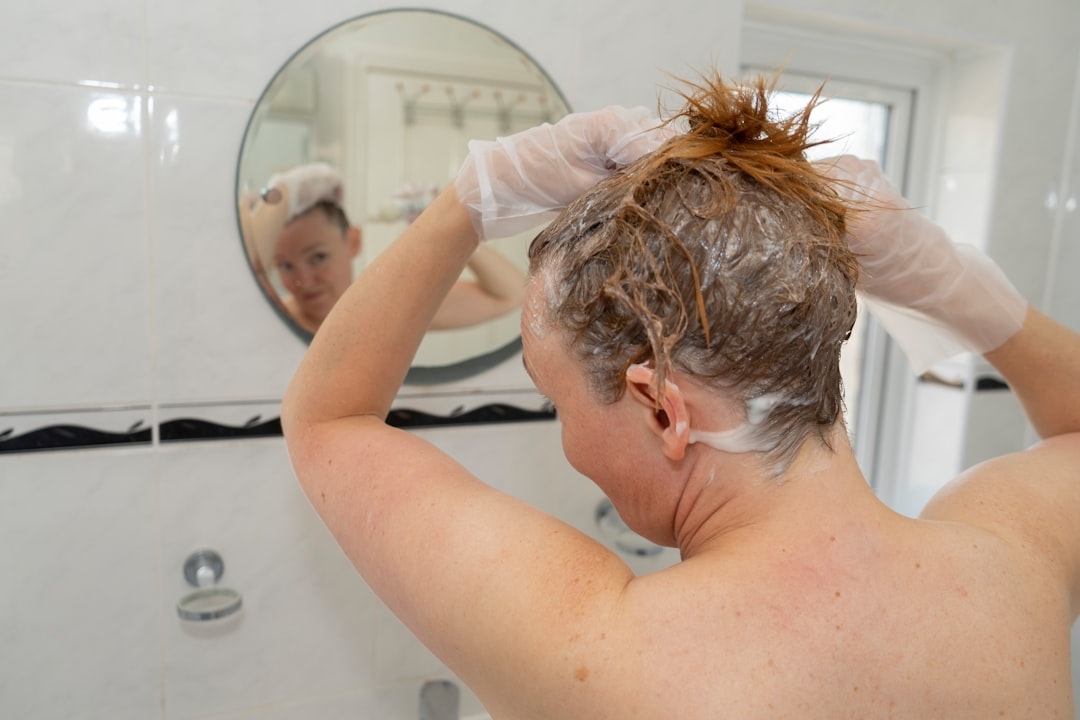
- Massage gently for 60 seconds when shampooing. Aggressive scrubbing doesn’t clean better but does increase breakage.
- Rinse thoroughly with cool water to close the cuticle and lock in moisture.
- Apply a weekly hair mask if your hair is damaged or colour-treated. Use masks with proteins (hydrolysed keratin) or oils (argan, coconut) one to two times weekly.
FAQ: Common Questions About Shampoo and Hair Damage
Can I stop using shampoo entirely?
You can wash your hair with water alone, but this works only for a minority of people—typically those with very low natural oil production. Most people will experience buildup of product residue, dust, and scalp bacteria within two weeks. If you want to reduce shampoo use, try the “co-wash” method (conditioning wash with a cleansing conditioner) two to three times weekly, using full shampoo once weekly. This works well for curly and textured hair.
Does shampoo cause hair loss?
Shampoo does not cause permanent hair loss. You may notice more hair in the shower after using shampoo, but this is dead hair that was already shedding. We lose 50–100 hairs daily naturally. However, aggressive manipulation—harsh scrubbing or pulling—can cause temporary breakage that looks like excessive shedding. Gentle shampooing does not cause hair loss.
Is sulphate-free shampoo always better?
Sulphate-free shampoos are generally gentler and better for colour-treated or damaged hair. However, they clean slightly less effectively, so oily hair may feel less clean. If you have naturally oily hair and a healthy scalp, a gentle sulphate-containing shampoo used twice weekly is perfectly safe. The “best” shampoo matches your specific hair type, not a universal standard.
How long does it take to see damage from bad shampoo?
Fine or curly hair shows visible damage within 4–8 weeks of daily washing with harsh shampoo. Thick, straight hair may take 12–16 weeks. Damage accumulates gradually as the cuticle layer weakens. This is why people who’ve used the same product for years often don’t notice—damage builds slowly. Switching to a gentler product stops further deterioration, though existing damage requires cutting and growing out new hair.
Can expensive shampoo prevent all damage?
Expensive shampoos rarely prevent damage if you’re washing daily with hot water or subjecting hair to heat styling. A £20 shampoo cannot overcome over-washing or heat damage. However, in combination with reduced washing frequency, appropriate water temperature, and minimal heat styling, a quality shampoo supports healthier hair. Spending more helps when combined with better habits—not instead of them.
Moving Forward With Confidence
The answer to whether shampoo is bad for your hair depends entirely on which shampoo, how often you use it, and your individual hair type. Generic claims that “all shampoo damages hair” ignore the science and oversimplify a complex topic. Most quality, sulphate-free shampoos used appropriately will not damage healthy hair. The real risk comes from harsh products, over-washing, or mismatched formulas.
Start by examining your current washing routine and product ingredients. If you’re washing daily with a supermarket shampoo, reducing frequency to twice weekly with a gentler formula will likely transform your hair within two months. If your hair is colour-treated or naturally dry, invest in a sulphate-free option—the difference is noticeable. And if environmental impact matters to you, solid bars offer the same benefits without packaging waste.
Your hair is more resilient than internet hype suggests, but it does respond to the products and practices you choose. The goal isn’t to eliminate shampoo, but to use it thoughtfully.
+ There are no comments
Add yours