




Contents:
- The Short Version: Why People Blame Shampoo
- How Hair Growth Actually Works
- Does Shampoo Cause Hair Loss? What the Evidence Shows
- Temporary Shedding vs. Permanent Hair Loss
- The Environmental and Sustainability Angle
- What Actually Causes Hair Loss: The Real Culprits
- Genetics
- Hormonal Changes
- Nutritional Deficiencies
- Stress and Illness
- Medical Conditions
- Choosing a Hair-Friendly Shampoo: Practical Tips
- Read Labels Critically
- Match Your Hair Type
- Adjust Washing Frequency
- Be Gentle During Application
- FAQ: Common Questions About Shampoo and Hair Loss
- Can switching shampoo brands cause hair loss?
- Is sulphate-free shampoo worth the extra cost?
- Does clarifying shampoo cause hair loss?
- Can hair loss from shampoo grow back?
- How do I know if my shampoo is causing hair loss?
- The Bottom Line: Your Shampoo Probably Isn’t the Problem
The Short Version: Why People Blame Shampoo
Millions of people worldwide scrutinise their shower drain, convinced their shampoo is destroying their hair. The association feels logical: you wash, hair comes out, therefore shampoo causes loss. This reasoning skips several crucial steps. Hair naturally falls out 50 to 100 strands daily as part of your growth cycle. When you shampoo, you physically dislodge dead hairs already destined to fall, making the process visible and memorable.
The real question isn’t whether you lose hair whilst shampooing—you will. The question is whether your shampoo is damaging healthy hair or simply revealing what was already departing.
How Hair Growth Actually Works
Hair exists in a perpetual cycle lasting three to seven years. Each strand grows, rests, then sheds to make room for a replacement. At any given moment, roughly 85% of your scalp hair is actively growing (anagen phase), whilst the remaining 15% is transitioning or shedding (catagen and telogen phases). This means approximately 100 hairs leave your head daily through no fault of your shampoo.
This natural cycle explains why shampooing after several days of dry shampoo or not washing produces dramatic hair loss: you’re witnessing accumulated shedding from the previous days, not acute damage.
Does Shampoo Cause Hair Loss? What the Evidence Shows
The relationship between shampoo and genuine hair loss remains poorly understood because most hair loss stems from factors unrelated to your cleansing routine. Androgenetic alopecia (genetic male and female pattern baldness) accounts for approximately 90% of all hair loss. This condition depends on your genes and hormones, not your product choices.
That said, certain shampoo characteristics can accelerate temporary shedding:
- High sulfate content – Sulfates strip natural scalp oils, weakening the hair shaft and increasing breakage. Sulphate-free alternatives (typically 20-40% cheaper at £3-8 per bottle) reduce this mechanical stress.
- Excessive friction – Vigorous scrubbing during shampooing snaps weak or previously damaged strands. Massaging gently with your fingertips rather than nails reduces breakage by up to 15%.
- Scalp irritation – Allergic reactions to fragrance or preservatives cause inflammation, which can disrupt the hair growth cycle temporarily. Patch testing new products on your inner elbow first prevents this.
- Protein imbalance – Overuse of protein-heavy treatments followed by clarifying shampoos can cause temporary hair brittleness, particularly in chemically treated hair.
Importantly, none of these factors causes permanent hair loss in healthy individuals. They increase shedding of hair that was already weakened or destined to fall anyway.
Temporary Shedding vs. Permanent Hair Loss
Understanding this distinction is crucial. Telogen effluvium—temporary increased shedding triggered by stress, illness, or product changes—typically resolves within 2-6 months once the trigger is removed. If you switch to a gentler shampoo and the increased shedding stops after a few weeks, you’ve identified a shampoo compatibility issue, not hair loss.
Permanent hair loss involves miniaturisation, where the hair follicle shrinks and produces thinner, shorter hairs. This process happens at the root due to genetics and hormones, and no shampoo speeds it up. If your hair loss continues after switching products, consult a dermatologist to identify the actual cause.
The Environmental and Sustainability Angle
Beyond your scalp health, conventional shampoos carry hidden costs. Most contain microplastics and synthetic chemicals that accumulate in waterways, harming aquatic ecosystems. The average UK household uses approximately 20 litres of shampoo annually—across the population, that’s substantial environmental impact.
Solid shampoo bars offer a gentler alternative: they last 2-3 times longer than liquid shampoo (meaning fewer bottles purchased), contain minimal plastic packaging, and typically use plant-based surfactants that break down naturally. A quality bar costs £8-15 but lasts 40-60 washes, matching the cost per wash of premium liquids while reducing plastic waste by 90%.
What Actually Causes Hair Loss: The Real Culprits
Genetics
If your parents or grandparents experienced hair thinning, your risk of androgenetic alopecia is high. This process begins as early as your 20s and progresses predictably based on your genetic blueprint, entirely independent of your shampoo brand.
Hormonal Changes
Pregnancy, thyroid disorders, menopause, and hormonal contraceptives trigger telogen effluvium or accelerate pattern baldness in genetically predisposed individuals. A blood test checking thyroid function and iron levels costs £45-80 privately in the UK and often identifies the actual problem.
Nutritional Deficiencies
Iron, zinc, vitamin D, and biotin insufficiency can trigger shedding. These deficiencies are treatable through supplementation or dietary adjustment—something no shampoo can address. A dietitian consultation (£60-150) reveals whether your diet is supporting hair growth.
Stress and Illness
Severe stress, surgery, infection, or rapid weight loss can push 30% of your hair into the telogen phase simultaneously, resulting in noticeable loss 2-3 months later. This resolves once the stressor passes, typically within 6 months.
Medical Conditions
Alopecia areata, lupus, and dermatitis cause permanent hair loss that no shampoo change will reverse. These require medical treatment, not product switching.

Choosing a Hair-Friendly Shampoo: Practical Tips
Read Labels Critically
Look for products without sodium lauryl sulphate or sodium laureth sulphate if your hair feels dry. These do clean effectively but can be harsh on sensitive scalps. Alternatives like sodium cocoyl isethionate are gentler. Compare prices: budget-friendly options (£2-4) often match premium brands (£8-12) in core ingredients.
Match Your Hair Type
Fine hair needs lightweight formulas; thick or textured hair benefits from heavier moisturisers. Product mismatch increases shedding but corrects immediately upon switching. Clarifying shampoos should be used monthly, not weekly, as they deplete natural oils.
Adjust Washing Frequency
Washing daily strips scalp oils, forcing increased oil production and potential inflammation. Most hair types perform better washed every 2-3 days. If you currently wash daily, transition gradually over two weeks to allow your scalp to adjust.
Be Gentle During Application
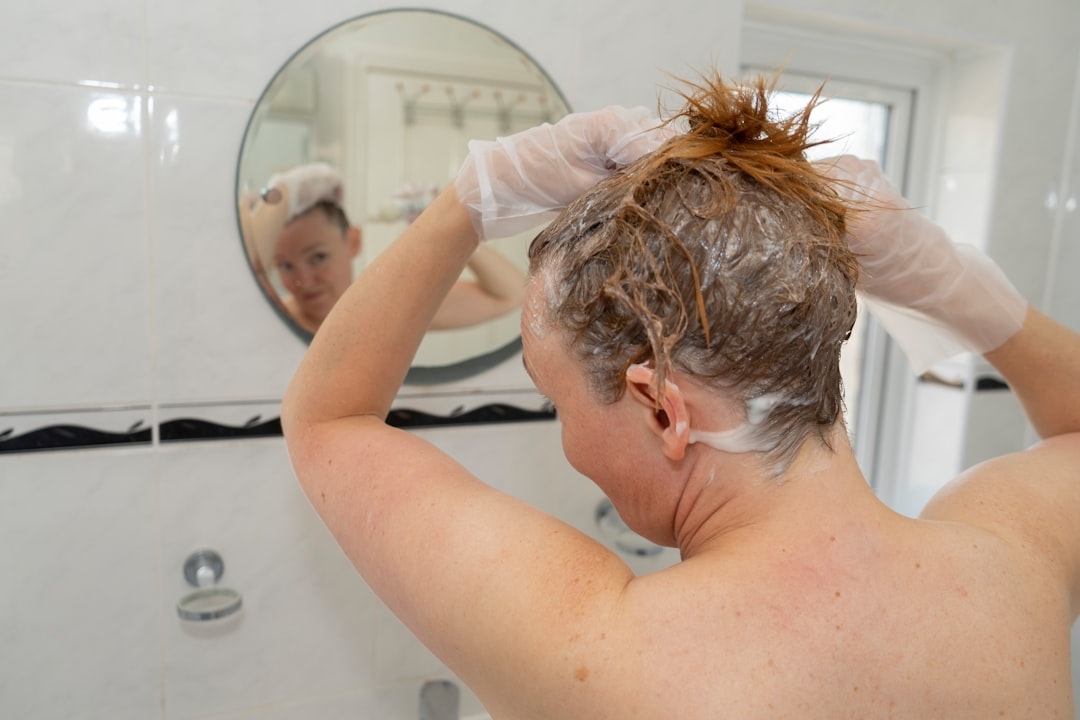
Massage your scalp with your fingertips using circular motions for 60-90 seconds. Limit shampooing to the scalp and roots; let soapy water cleanse the ends. Avoid brushing wet hair when it’s most fragile; use a wide-toothed comb instead.
FAQ: Common Questions About Shampoo and Hair Loss
Can switching shampoo brands cause hair loss?
Switching brands can temporarily increase shedding (2-3 weeks) if the new formulation irritates your scalp or lacks ingredients your hair adapted to. This is telogen effluvium, not permanent loss. If shedding persists beyond four weeks, revert to your previous brand or consult a dermatologist.
Is sulphate-free shampoo worth the extra cost?
Sulphate-free shampoos cost roughly 50% more (£8-10 versus £4-5 for conventional) but benefit people with scalp sensitivity, dry hair, or colour-treated hair. For healthy hair with oily scalp, conventional shampoos work fine. Cost-benefit depends on your individual needs.
Does clarifying shampoo cause hair loss?
Clarifying shampoos strip product buildup but can increase temporary shedding due to their harshness. Use them once monthly, not weekly. If shedding increases after each clarifying wash, reduce frequency to every 4-6 weeks or discontinue.
Can hair loss from shampoo grow back?
If shedding resulted from product irritation or mechanical stress, hair will regrow naturally within 3-6 months once the irritant is removed. However, if hair loss is genetic (pattern baldness), no shampoo change will restore it; medical treatments like minoxidil or finasteride may help, requiring GP consultation.
How do I know if my shampoo is causing hair loss?
Keep a simple log: note your shedding level, then switch shampoos and observe for 3-4 weeks. If shedding decreases, your previous product was incompatible. If shedding continues unchanged, look elsewhere—genetics, stress, or medical factors are likely responsible. A dermatologist can examine your scalp and perform tests to identify the true cause.
The Bottom Line: Your Shampoo Probably Isn’t the Problem
Hair loss attributed to shampoo is usually one of two things: natural daily shedding mistaken for abnormal loss, or temporary increased shedding from product incompatibility. True, permanent hair loss stems from genetics, hormones, illness, or deficiency—factors your shampoo cannot influence.
If you’re losing excessive hair, start by assessing whether the loss is genuinely abnormal (more than 100-150 strands daily, visible thinning, or sudden onset). Then identify the actual cause: genetics, stress levels, recent illness, medication changes, or nutritional gaps. Switch to a gentle, sulphate-free shampoo if your scalp is sensitive, but recognise this as supportive care, not a treatment for existing loss.
For permanent hair loss, consult your GP or a dermatologist. They can run blood tests, examine your scalp, and recommend evidence-based treatments. Modern options—from minoxidil to finasteride to newer therapies—are far more effective than any shampoo at halting loss or regrowing hair.
Your shampoo choice matters for scalp health and comfort, but not for determining whether you experience hair loss. That outcome depends on forces far beyond your shower routine.

+ There are no comments
Add yours