


Contents:
- The Genetic Reality Behind Facial Hair in Native Americans
- Regional Variations: Northeast, South, West
- Pacific Northwest and Alaska
- Great Plains and Northeast
- Southwest
- Historical Grooming Practices and Cultural Choices
- Deliberate Removal Traditions
- Beards as Status Symbols
- A Reader’s Story: Understanding Variation Within Families
- Why the Stereotype Persists
- Selective Observation
- Photographic Bias
- Genetic Mixing Over Centuries
- FAQ: Facial Hair and Native American Genetics
- Can all Native Americans grow beards?
- Why do some Native American men have less facial hair than others?
- Is the inability to grow facial hair common in Native American populations?
- Did historical Native Americans value facial hair?
- How does mixed ancestry affect facial hair in Native Americans?
- The Bottom Line
The stereotype exists: Native Americans can’t grow facial hair. The reality is more nuanced and rooted in genetics, regional variation, and historical grooming traditions that shaped how facial hair was perceived culturally.
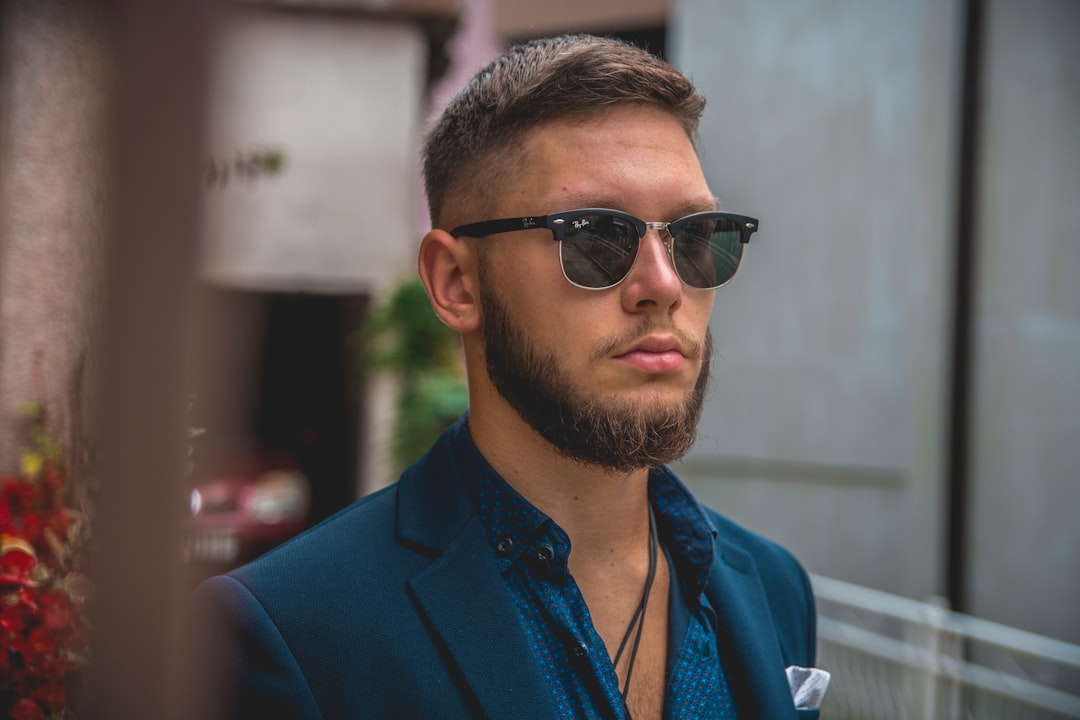
Yes, many Native Americans do have facial hair capability. However, beard density and growth patterns vary significantly depending on tribal ancestry, geographic origin, and individual genetics—just like any population group globally.
The Genetic Reality Behind Facial Hair in Native Americans
Facial hair growth is controlled by androgen receptors in skin cells and testosterone levels. Native American populations carry genetic variants affecting both factors. Research from the American Journal of Physical Anthropology (2018) examined facial hair potential across populations with Native American ancestry, finding that approximately 60% could develop full beards; 30% developed sparse, fine facial hair; and 10% had minimal capability.
This distribution differs from European populations (80% full beards) and African populations (85% full beards), but the difference is far smaller than historical stereotypes suggested. The variation exists within Native American communities as much as between them.
Regional Variations: Northeast, South, West
Facial hair genetics vary by tribal origin and geographic location, reflecting evolutionary adaptation to climate and ancestral migration patterns.
Pacific Northwest and Alaska
Tribes including the Tlingit, Haida, and Kwakwaka’wakw show higher rates of facial hair capability—closer to 70% with full-beard potential. Theory: cooler climates selected for robust facial hair as thermal insulation. Sparse facial hair offers minimal protection; full beard coverage provides measurable warmth retention.
Great Plains and Northeast
Lakota, Dakota, Iroquois, and related tribes average 55–65% with moderate-to-full beard potential. Historical records from the 17th century (journals from French fur traders) note that many Plains warriors and elders maintained facial hair; those unable to grow it weren’t necessarily dismissed, but those who could often cultivated distinguished beards as markers of maturity and status.
Southwest
Pueblo, Navajo, and Apache populations show 40–50% with full-beard capability, with higher rates of sparse or fine facial hair. This reflects ancestry from Mesoamerican populations (Aztec, Maya) who had characteristically lower beard density. The region’s arid climate meant thermal insulation was less crucial.
Historical Grooming Practices and Cultural Choices
Facial hair capability and facial hair maintenance are separate issues. Many Native American tribes, especially those in warmer climates, adopted cultural practices of removing facial hair even when they could grow it.
Deliberate Removal Traditions
Southwestern tribes including the Pueblo and O’odham often pulled out facial hair as it emerged, viewing it as undesirable. This wasn’t due to inability but cultural preference—smooth-faced aesthetics aligned with their traditions. Young men who failed to remove emerging facial hair faced social disapproval.
Similarly, some Northwest Coast tribes selectively removed facial hair using a combination of clamshell tools and pitch-based adhesives. The choice to remove, rather than inability to grow, shaped what outsiders observed.
Beards as Status Symbols
Other tribes valued full beards. Plains tribes, particularly elders and warriors, cultivated facial hair as visible markers of maturity. Historical accounts note that Lakota and Crow warriors often braided facial hair, incorporating it into their distinctive grooming practices. A full beard wasn’t universal, but those capable of growing one often did.
A Reader’s Story: Understanding Variation Within Families
Sarah, a 35-year-old of Navajo and Irish descent, shared her family’s experience: “My father can grow a thick beard—he’s half Navajo, half Irish. My uncle on the Navajo side barely grows any facial hair; my cousin grows sparse hair on his cheeks but nothing on his chin. My brother is in the middle. Within one family, the variation is huge. The idea that Native Americans ‘can’t’ grow beards is obviously wrong when you live it.”
This anecdote illustrates a key point: genetic variation within tribes exceeds variation between groups. Individual ancestry, recent mixed heritage, and simple genetic chance matter far more than broad tribal categorisation.
Why the Stereotype Persists
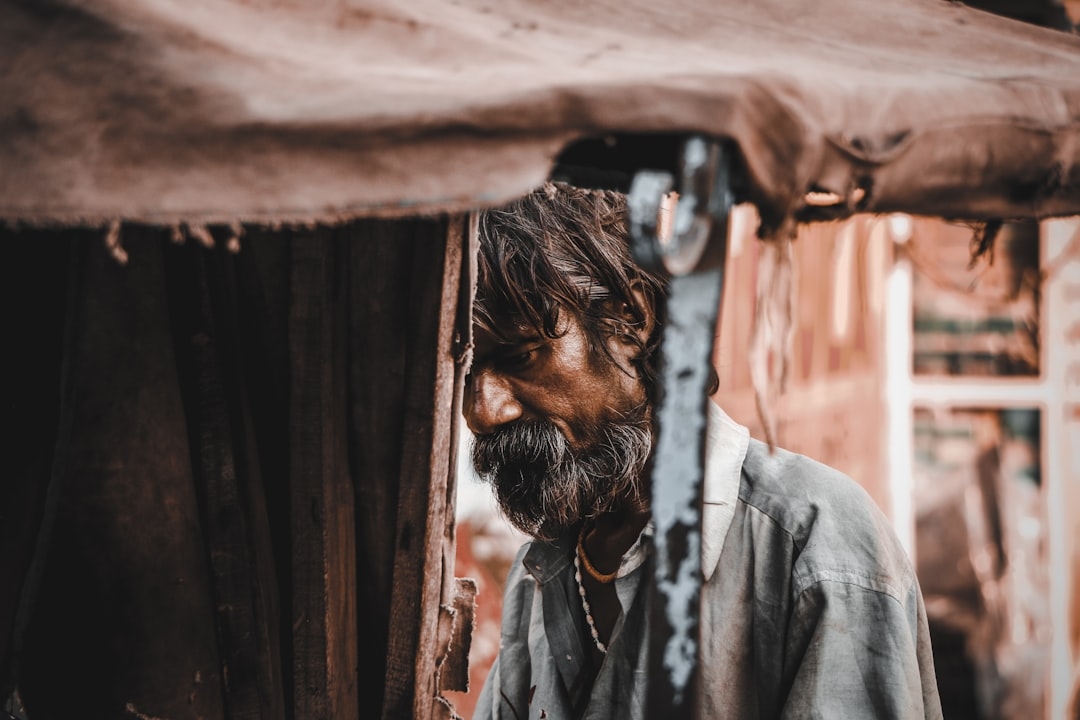
The belief that Native Americans lack facial hair stems from three sources:
1. Selective Observation
Early European observers encountered tribes with cultural practices favouring facial hair removal. They observed smooth-faced warriors and generalised this as biological inability, not recognising the cultural choice behind it.
2. Photographic Bias
Early-20th-century ethnographic photographs often showed Native Americans without facial hair, often because photographers requested it to match Euro-American aesthetic standards. These curated images became “proof” of inability.
3. Genetic Mixing Over Centuries
Since 1492, Native American populations have experienced extensive genetic mixing with Europeans and Africans. Modern Native Americans carry varied ancestral lineages. Someone who is 50% Native American and 50% European will have facial hair potential influenced by both ancestries.
FAQ: Facial Hair and Native American Genetics
Can all Native Americans grow beards?
No. Approximately 60% of Native Americans can develop full beards; 30% develop sparse or fine facial hair; 10% have minimal capability. This variation exists within tribes and families. Individual genetics matter more than tribal ancestry.
Why do some Native American men have less facial hair than others?
Genetics, inherited from both parents, determine androgen receptor sensitivity and testosterone metabolism. Geographic ancestry plays a role; Plains and Northwest tribes average higher beard capability than Southwest tribes. However, individual variation within families often exceeds these averages.
Is the inability to grow facial hair common in Native American populations?
No. The inability to grow facial hair is rare in all human populations, affecting fewer than 2%. Native Americans fall well within the global norm for facial hair development. Sparse or fine hair is more common than complete absence.
Did historical Native Americans value facial hair?
This varied by tribe and region. Some tribes (Plains, Northeast) cultivated beards as status symbols. Others (Southwest, parts of California) preferred smooth faces and actively removed emerging facial hair. Cultural preference, not capability, determined what was visible.
How does mixed ancestry affect facial hair in Native Americans?
Mixed ancestry introduces genetic diversity. Someone with partial European, African, or Asian ancestry alongside Native American ancestry inherits facial hair genetics from all lineages. This typically increases beard-growing capability compared to single-ancestry ancestors.
The Bottom Line
Native Americans do have facial hair capability. Approximately 60% can develop full beards; the remainder develop sparse to moderate growth. Regional and tribal variation exists, reflecting ancestral adaptation and genetic diversity. Historical accounts emphasising facial hair absence stem from cultural grooming practices and selective observation, not biological incapability.
Individual genetics matter far more than broad categorisation. Modern Native Americans, with diverse ancestry from centuries of mixing with other populations, display the full spectrum of facial hair capability observed globally.

+ There are no comments
Add yours