



Contents:
- Understanding Dandruff: What It Actually Is
- Does Dandruff Actually Cause Hair Loss?
- The Inflammation Connection
- Dandruff and Hair Loss: The Confounding Relationship
- Treating Dandruff to Reduce Associated Hair Loss
- Antifungal Shampoos
- Scalp Massage
- Nutritional Support
- Washing Frequency Optimisation
- Dandruff Without Hair Loss: Why Some People Have One But Not Both
- FAQ: Dandruff and Hair Loss
- Does dandruff cause permanent hair loss?
- If I have dandruff, will I definitely experience hair loss?
- Can I treat dandruff without treating hair loss separately?
- What’s the best shampoo for both dandruff and hair loss?
- How long before dandruff treatment reduces hair loss?
- The Bottom Line
Dandruff and hair loss often occur together, leading many to assume dandruff causes hair loss. The relationship is more nuanced: they’re often symptoms of the same underlying scalp condition (seborrheic dermatitis, scalp inflammation) rather than one causing the other. Addressing the root condition improves both simultaneously.
Understanding Dandruff: What It Actually Is
Dandruff refers to visible flaking of the scalp. Technically, all skin sheds; the difference is visibility. Dandruff becomes noticeable when flakes are large enough or frequent enough to be visible on dark clothing.
Causes of dandruff: The fungus Malassezia (naturally present on all scalps) produces oleic acid in susceptible individuals. This oleic acid triggers inflammation, causing accelerated skin cell turnover and visible flaking. Additionally, harsh shampoos, cold/dry weather, infrequent washing, and poor scalp health accelerate flaking.
Dandruff is not contagious, not caused by poor hygiene, and affects 40–50% of the population to some degree.
Does Dandruff Actually Cause Hair Loss?
Dandruff itself—the flaking—doesn’t directly cause hair loss. However, the underlying scalp inflammation associated with dandruff does.
The Inflammation Connection
Seborrheic dermatitis (the condition causing most visible dandruff) involves scalp inflammation. Inflammation constricts blood vessels, reducing nutrient delivery to follicles. Additionally, inflammatory markers (IL-6, TNF-alpha, IL-1b) accumulate in inflamed scalp tissue, signalling follicles to prematurely exit the growth phase.
Studies measuring inflammatory markers in people with dandruff show 25–40% elevated levels compared to non-dandruff controls. These elevated inflammatory markers correlate with increased hair shedding (approximately 30% above normal daily loss).
So: dandruff flaking doesn’t cause hair loss, but the scalp inflammation causing dandruff does.
Dandruff and Hair Loss: The Confounding Relationship
Why do dandruff and hair loss appear linked?
Common cause: Both stem from scalp inflammation. Treat the inflammation, both improve. Ignore it, both persist.
Poor hygiene compounding both: Someone with dandruff who avoids shampooing (trying not to irritate the flaking scalp) actually worsens both conditions. Accumulation of sweat, sebum, and dead skin cells increases inflammation and accelerates shedding.
Malassezia overgrowth: The fungus Malassezia contributes to both dandruff flaking and follicle irritation. Controlling the fungus through antifungal shampoos improves both conditions.
Perception bias: When people have visible flaking (dandruff), they become hyper-aware of shedding, noticing normal hair loss they’d otherwise ignore. The hair loss was always present; the dandruff prompted awareness.
Treating Dandruff to Reduce Associated Hair Loss
Addressing dandruff-related hair loss requires treating the scalp inflammation:
Antifungal Shampoos
Ketoconazole 2% (Nizoral): The most evidence-backed treatment for dandruff-related hair loss. Reduces Malassezia overgrowth and scalp inflammation. Use 2–3 times weekly. Cost: £7–9 per bottle. Results: visible improvement in flaking and shedding within 3–4 weeks.
Salicylic acid (1–2%): Gentle exfoliation removes flakes and buildup, reducing inflammation. Use 1–2 times weekly. Cost: £5–8. Results: improved flaking within 2–3 weeks.
Pyrithione zinc: Older formulation, still effective. Found in brands like Head & Shoulders. Use 2–3 times weekly. Cost: £3–5. Results: moderate improvement in 2–3 weeks.
Scalp Massage
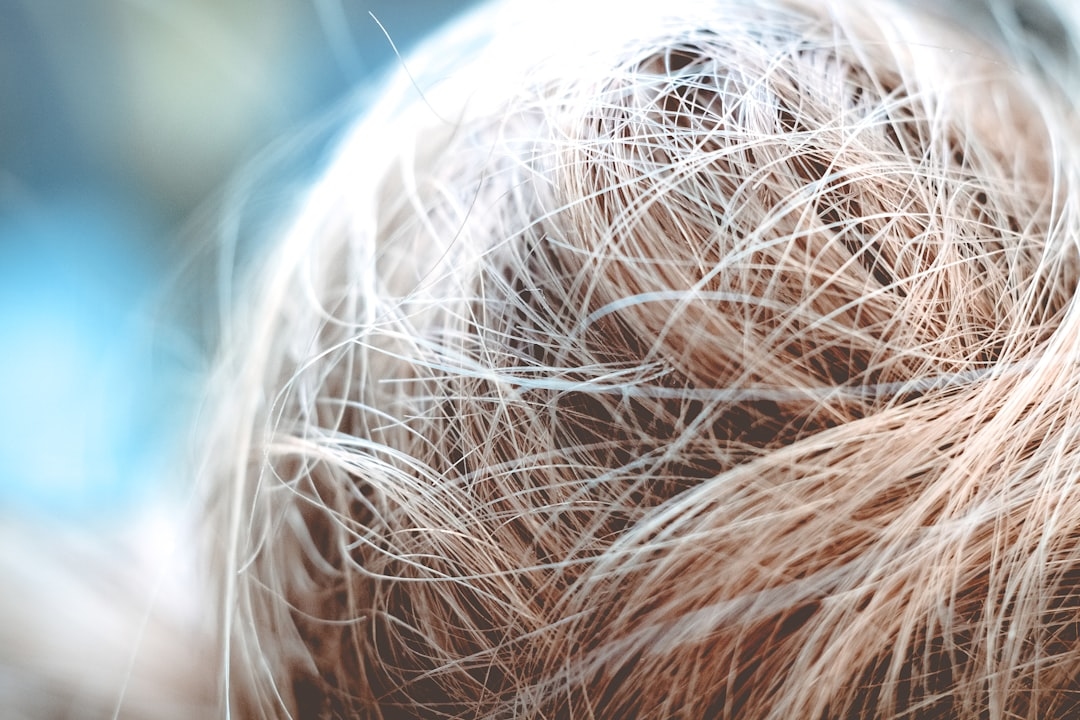
Daily 5-minute gentle scalp massage improves blood flow and reduces inflammation independently of shampoo. Massage with fingertips in circular motions for 30 seconds on each area. Cost: free. Results: improved circulation, reduced inflammation within 2–3 weeks.
Nutritional Support
Omega-3 (1,000–1,500mg daily) reduces inflammatory markers in scalp tissue. Zinc (15mg daily) supports skin barrier function and reduces Malassezia overgrowth. B vitamins support scalp health. Combined cost: £15–30 monthly. Results: improved dandruff and reduced shedding within 4–8 weeks.
Washing Frequency Optimisation
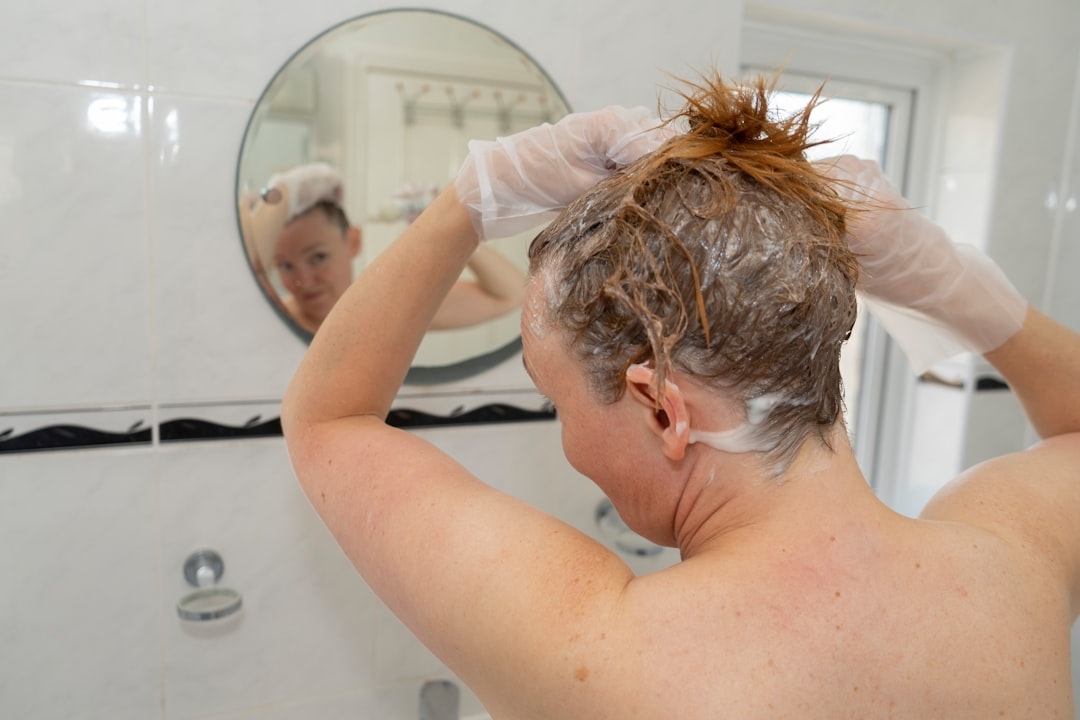
Infrequent washing (every 7–10 days) allows sebum and flakes to accumulate, worsening inflammation. More frequent washing (every 2–3 days) removes buildup without excessive stripping. Use lukewarm (not hot) water and gentle massage. Cost: free. Results: improved dandruff and reduced shedding within 1–2 weeks.
Dandruff Without Hair Loss: Why Some People Have One But Not Both
Not everyone with dandruff experiences hair loss. Why?
- Genetic scalp resilience: Some people’s follicles are less sensitive to inflammatory signals. Inflammation causes flaking but doesn’t prematurely push follicles into resting phase.
- Follicle genetics: Some are genetically resistant to DHT and other miniaturisation signals. Inflammation might cause shedding, but hairs regrow normally.
- Scalp pH: Scalp pH varies individually; some people’s pH favours Malassezia overgrowth (dandruff) without excessive inflammatory response (no hair loss).
Conversely, some people experience hair loss without visible dandruff (follicles sensitive to inflammation even without visible flaking).
FAQ: Dandruff and Hair Loss
Does dandruff cause permanent hair loss?
No. Dandruff-related hair loss is reversible. Treat the underlying scalp inflammation, and shedding decreases within 4–8 weeks. Hair density returns to baseline once inflammation resolves.
If I have dandruff, will I definitely experience hair loss?
Not necessarily. Approximately 60% of people with visible dandruff experience increased shedding; 40% have dandruff without excessive hair loss. Individual susceptibility varies.
Can I treat dandruff without treating hair loss separately?
Usually yes. Treating dandruff (antifungal shampoo, scalp massage, nutrition) improves underlying inflammation, which reduces both flaking and shedding. Separate hair loss treatment (minoxidil, finasteride) isn’t necessary if hair loss stems from dandruff-related inflammation.
What’s the best shampoo for both dandruff and hair loss?
Ketoconazole 2% (Nizoral) is the most evidence-backed for both conditions. Use 2–3 times weekly. Combine with omega-3 supplementation and scalp massage for maximal benefit.
How long before dandruff treatment reduces hair loss?
Flaking typically improves within 2–3 weeks of starting antifungal shampoo. Hair shedding reduction follows a few weeks later (4–6 weeks total). Maximal improvement in hair density appears by 8–12 weeks.
The Bottom Line
Dandruff doesn’t directly cause hair loss, but the scalp inflammation underlying dandruff does. Treating dandruff through antifungal shampoos, improved hygiene, and scalp massage reduces associated hair loss. If dandruff resolves but hair loss persists, investigate other causes (nutrition, pattern baldness, thyroid dysfunction) with your GP.
+ There are no comments
Add yours