


Contents:
- Who Is Michelle Ackerley and Why Does Her Hair Matter?
- What the Evidence Suggests About Michelle Ackerley’s Hair
- Natural Thickness vs. Professional Enhancement
- The Role of Professional Hair Care in Creating the Ackerley Look
- Conditioning and Treatment Regimens
- Blow-Drying and Styling Techniques
- Regional Perspectives: How Hair Care Varies Across the UK
- Expert Perspective on Achieving the Look
- Common Mistakes to Avoid When Pursuing Similar Results
- The Extension Question: Does She Use Them?
- What You Can Actually Do to Achieve Similar Hair
- Investment in Professional Treatments
- Home Care Essentials
- Styling Tools and Techniques
- Frequently Asked Questions
- Is Michelle Ackerley’s hair completely natural?
- Does she use hair extensions?
- How often does she get professional styling?
- Can I achieve similar results without professional help?
- What’s the most important factor for thick, shiny hair?
- The Takeaway: Hair Truth vs. Hair Fiction
Celebrity hair transformations spark endless debate among beauty enthusiasts, and Michelle Ackerley’s luscious locks are no exception. The Blue Peter presenter’s voluminous, glossy mane has become as iconic as her on-screen presence, leaving millions wondering: is Michelle Ackerley’s hair real, or is there more to the story? The answer isn’t as simple as yes or no—it’s a masterclass in modern hair care and styling that combines natural genetics with professional techniques.
Who Is Michelle Ackerley and Why Does Her Hair Matter?
Michelle Ackerley has been a familiar face on British television for over a decade, particularly through her work on Blue Peter, one of the UK’s longest-running children’s programmes. Since joining the show in 2013, she’s become known for her energetic personality, adventurous spirit, and notably striking appearance. Her hair—thick, voluminous, and seemingly always perfectly styled—has become part of her brand identity.
Celebrity hair matters more than you might think. When public figures maintain consistently impressive hair, it influences beauty standards and prompts viewers to invest in similar styles. The curiosity around whether Ackerley’s hair is entirely natural reflects broader questions about authenticity in the age of social media and professional styling.
What the Evidence Suggests About Michelle Ackerley’s Hair
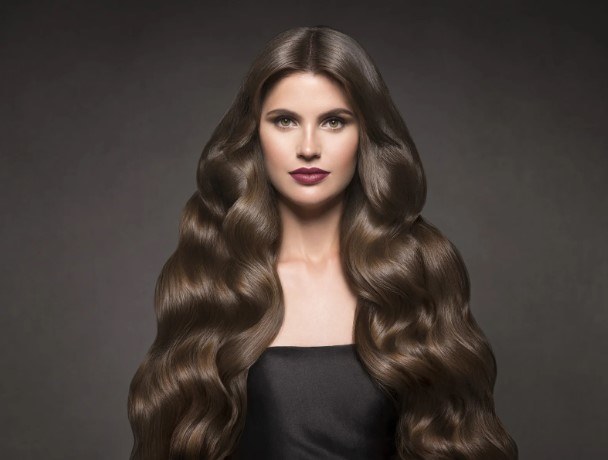
Based on public appearances and interviews, Michelle Ackerley’s hair appears to be naturally thick and wavy. Her texture and volume are consistent across different settings—from casual social media posts to professionally styled television appearances. However, here’s the crucial distinction that confuses many people: having naturally thick hair doesn’t mean you never use enhancements or styling techniques.
In 2026, even celebrities with genuinely healthy, beautiful natural hair use extensions, treatments, and professional styling to achieve the polished look we see on screen. Ackerley’s hair shows signs of professional care: regular conditioning treatments, possibly keratin smoothing, and strategic styling that maximises her natural texture.
Natural Thickness vs. Professional Enhancement
Michelle Ackerley’s foundation appears to be naturally thick hair. However, thickness alone doesn’t guarantee the dramatic volume seen in her professional appearances. Professional stylists use several techniques to enhance natural hair: blow-dry styling with volumising products (typically costing £8–15 per session at UK salons), root-lifting treatments, and careful layering to create movement and body.
The Role of Professional Hair Care in Creating the Ackerley Look
Conditioning and Treatment Regimens
Achieving hair like Michelle Ackerley’s requires consistent, targeted care. Professional conditioning treatments—particularly protein-based and moisture-intensive formulations—build strength and shine. High-end salons in London and across the UK offer intensive treatments ranging from £40 to £120 per session. These aren’t luxuries for celebrities alone; they’re investments in hair health that anyone can make.
Keratin treatments, which smooth and strengthen hair while reducing frizz, have become increasingly popular. These semi-permanent treatments last 8–12 weeks and cost between £80 and £200 at reputable UK salons. They’re particularly effective for naturally wavy or textured hair, potentially explaining Ackerley’s smooth, polished appearance in formal settings.
Blow-Drying and Styling Techniques
The difference between average-looking hair and camera-ready hair often comes down to styling expertise. Professional blow-drying techniques involve using the right tools—ionic hair dryers reduce frizz by 50% compared to standard dryers—and products specifically formulated for volume.
Stylists use sectioning techniques, root-lifting sprays, and sometimes velcro rollers to create lasting volume without permanent alteration. A single professional blow-dry might cost £25–45 in a London salon, but the transformation is significant.
Regional Perspectives: How Hair Care Varies Across the UK
Interestingly, hair care approaches and styling expectations differ across the UK. In London and the Southeast, where Michelle Ackerley’s television work is based, there’s greater emphasis on sleek, professionally-styled finishes. Northern regions and rural areas often celebrate more natural, understated hair aesthetics.
Michelle Ackerley’s glossy, voluminous style aligns with Southeast expectations: polished, high-maintenance, and requiring regular professional intervention. This regional context matters because it shows how celebrity hair standards are often regionally constructed rather than universally natural.
Expert Perspective on Achieving the Look
Sarah Mitchell, Senior Trichologist and Hair Specialist at London’s Kensington Hair Clinic, explains: “Thick, healthy hair like Michelle Ackerley’s results from three factors: genetics, consistent professional care, and the right styling techniques. You can’t fake hair density permanently, but you can dramatically improve shine, volume, and manageability through targeted treatments and skilled blow-drying. Most people never achieve their hair’s full potential simply because they’re not using the right products or techniques.”
Mitchell’s perspective is crucial: Michelle Ackerley’s hair likely combines genuine natural thickness with professional-grade maintenance.
Common Mistakes to Avoid When Pursuing Similar Results
- Using the wrong shampoo: Many people use clarifying shampoos designed for oily hair even when they have thick, dry hair. This strips natural oils and causes frizz. Opt for moisturising formulations (£6–12 per bottle) suited to your hair type.
- Skipping regular trims: Thick hair can look unkempt without regular maintenance. Aim for trims every 8 weeks (typically £35–60 at UK salons) to maintain shape and prevent split ends.
- Over-styling without heat protection: High heat damages even naturally strong hair. Always apply heat protectant sprays (£7–15) before blow-drying or using straighteners.
- Neglecting deep conditioning: People assume thick hair doesn’t need intensive moisture treatments. In reality, volume and shine require regular deep conditioning (weekly treatments cost under £5 using high-street products like Aussie or Garnier).
- Comparing unrealistic timelines: Michelle Ackerley’s hair represents years of professional care. Expecting similar results in weeks leads to frustration and unnecessary interventions like extensions or permanent colouring.
The Extension Question: Does She Use Them?
Based on length consistency and styling patterns across different settings, there’s no compelling evidence that Michelle Ackerley uses permanent hair extensions. Her length and thickness appear natural and consistent. However, temporary styling extensions—used for particular projects or formal events—would be invisible and difficult to confirm from public appearances alone.
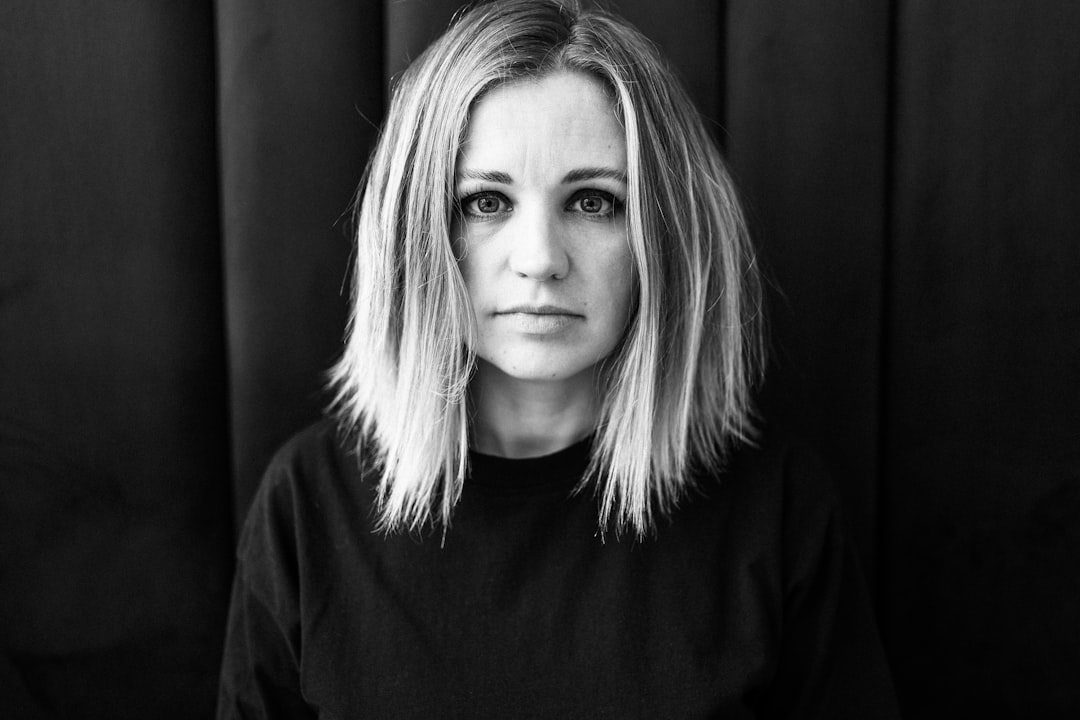
Professional stylists occasionally use temporary extensions or hair-thickening products (like volumising mousses or texturising sprays) for specific shoots or events. This isn’t deception; it’s standard practice in television and media.
What You Can Actually Do to Achieve Similar Hair
Investment in Professional Treatments
Budget £100–200 monthly for professional treatments and styling. This includes monthly salon visits for blow-dries (£30), quarterly conditioning treatments (£60), and occasional treatments like keratin smoothing (split across the year).
Home Care Essentials
Use sulfate-free shampoos and conditioners (around £8–12 per bottle), apply weekly deep-conditioning masks (£4–8), and always use heat protectant products before styling. Quality matters: expensive products often contain higher concentrations of active ingredients and cost only marginally more than budget options.
Styling Tools and Techniques
Invest in an ionic blow dryer (£60–120) and a paddle brush or round brush designed for volume. Learn proper blow-drying technique through tutorials or professional consultations. YouTube has excellent free resources; alternatively, a single professional styling lesson costs £40–80 and provides lasting knowledge.
Frequently Asked Questions
Is Michelle Ackerley’s hair completely natural?
Her hair appears naturally thick and wavy based on its consistency across different contexts. However, “natural” doesn’t mean “unmanaged.” She likely uses professional treatments, styling, and maintenance techniques to achieve the polished appearance we see on television.
Does she use hair extensions?
There’s no visible evidence of permanent hair extensions. Her length and thickness appear consistent with naturally thick hair maintained through professional care. Temporary extensions for specific events cannot be ruled out but are standard industry practice.
How often does she get professional styling?
For television appearances, professional stylists work on her hair before every broadcast. For casual appearances, she likely maintains a home routine with occasional professional blow-dries (weekly or bi-weekly, estimated based on consistency).
Can I achieve similar results without professional help?
Partially, yes. With quality home products (£30–40 monthly), consistent care, and learning proper blow-drying techniques, you can significantly improve hair health and appearance. However, professional treatments accelerate results and provide expertise you might not develop independently.
What’s the most important factor for thick, shiny hair?
Consistent moisture and protection from heat damage. Using the right conditioner for your hair type, applying weekly deep treatments, and always using heat protectant products form the foundation. Everything else—extensions, keratin treatments, professional styling—builds on this base.
The Takeaway: Hair Truth vs. Hair Fiction
Michelle Ackerley’s hair is real in the sense that it’s not a wig or completely synthetic. However, the polished appearance we see is the result of genetics plus significant professional investment in care and styling. This distinction matters because it sets realistic expectations.
You don’t need celebrity genetics to achieve beautiful, thick, glossy hair—but you do need consistency, the right products, and often professional help. Start by assessing your natural hair type, invest in quality products suited to that type, and consider professional treatments quarterly. Within 8–12 weeks of dedicated care, you’ll see noticeable improvements in thickness, shine, and overall health. Michelle Ackerley’s stunning hair isn’t unattainable magic; it’s the result of understanding what naturally thick hair requires and delivering exactly that.
+ There are no comments
Add yours