









Contents:
- Why Wet Hair Needs Special Bedtime Care
- Choose the Right Pillowcase Material
- Silk and Satin Pillowcases
- Avoid Cotton and Linen
- Prep Your Hair Before Bed
- Apply Leave-In Conditioner or Curl Cream
- Detangle Thoroughly
- Consider a Pre-Sleep Protein Treatment
- Protective Styling Techniques
- The Pineapple Method for Curly Hair
- Braiding for Waves
- The Plopping Method
- Temperature and Environmental Factors
- Keep Your Bedroom Cool
- Manage Humidity
- What to Avoid When Sleeping with Wet Hair
- Don’t Sleep on Damp Hair Immediately After Washing
- Don’t Use Heat Tools Before Bed
- Avoid Tight Hair Clips or Elastics
- Morning-After Hair Care
- Don’t Immediately Brush or Comb
- Refresh Your Style With Water
- Apply a Lightweight Oil or Serum
- Sustainability and Eco-Friendly Considerations
- Frequently Asked Questions
- Is sleeping with wet hair bad for you?
- Can wet hair cause scalp problems?
- How long does it take hair to air-dry overnight?
- What’s the best product for sleeping with wet hair?
- Can I sleep with wet hair every night?
- Your Wet-Hair Sleeping Routine Starts Now
Most people think you need to choose: dry your hair or go to bed. Neither is necessary. Sleeping with wet hair is entirely possible when you know the right techniques, and honestly, it can be the gentler option for your curls.
Life doesn’t always align with perfect timing. Some nights you shower late. Other times you’ve just finished a treatment and want it to set overnight. Whatever your reason, wet hair and bedtime don’t have to be enemies. With the right approach, you can protect your hair’s health, prevent excessive damage, and actually wake up with better-defined waves and curls than if you’d forced them dry with heat styling.
This guide walks through everything you need to know about how to sleep with wet hair without waking up to a tangled mess.
Why Wet Hair Needs Special Bedtime Care
Hair is most vulnerable when wet. Your hair cuticles swell and soften in water, making strands more prone to breakage and split ends. When you toss and turn on a pillow for 7-8 hours, wet hair friction increases exponentially compared to dry strands. The combination of moisture, pressure, and movement can cause significant damage.
Cotton pillowcases accelerate this problem. They absorb moisture from your hair and create friction that roughens the hair cuticle. A standard cotton case removes natural oils your scalp produces, leaving hair drier and more brittle by morning. Switch this one variable alone, and you’ll notice the difference within a week.
The good news: wet hair also accepts styles more readily. Curls set better when damp. Waves form more definition. Your morning hair is often superior to what you’d achieve with dry-to-damp styling, provided you give your wet locks proper protection overnight.
Choose the Right Pillowcase Material
Your pillowcase choice matters more than most people realise. This single decision affects moisture retention, frizz levels, and how well your curls hold their shape.
Silk and Satin Pillowcases
Silk and satin pillowcases are non-negotiable for wet-hair sleeping. Both allow hair to glide smoothly across the surface rather than grip and tug. Silk naturally regulates temperature and moisture, keeping your hair hydrated without becoming waterlogged. A quality silk pillowcase runs £30–£60, depending on mulberry silk grade.
Satin offers similar benefits at lower cost (£12–£25). True satin—not polyester marketed as satin—has a smooth weave that reduces friction by roughly 60% compared to cotton. For wet hair specifically, this friction reduction prevents the frizz and breakage you’d typically see by morning.
Avoid Cotton and Linen
Cotton pillowcases absorb moisture from your hair, increasing dryness and frizz throughout the night. Linen performs similarly. If you’re sleeping with wet hair, cotton is actively working against you. The weave is rough enough to disrupt curl patterns and cause friction damage that undoes any benefit from your nighttime routine.
Prep Your Hair Before Bed
The preparation stage determines 70% of your morning results. A few intentional steps take 5 minutes but prevent hours of frizz and tangles.
Apply Leave-In Conditioner or Curl Cream
Never sleep on dripping wet hair. Your hair should be damp—not soaking. Squeeze out excess water using a microfibre towel or old cotton t-shirt (don’t rub; gently press). Your hair should feel moist to the touch but shouldn’t drip.
Apply leave-in conditioner or a curl-defining cream to damp hair. These products seal the hair cuticle, lock in moisture, and provide slip to prevent tangling. Work product through from mid-shaft to ends, avoiding the scalp. For curly hair, scrunch the product upward to encourage curl formation. For waves or straight hair, smooth it through gently.
Detangle Thoroughly
Detangle whilst hair is still damp, using your fingers or a wide-tooth comb. A single knot that tightens overnight becomes a painful, damaging mat by morning. Wide-tooth combs cause less damage than traditional brushes, reducing breakage by around 40% when used on wet hair.
Work through small sections. Start at the ends and work upward toward the roots, never forcing the comb through resistance. If a knot won’t release, add more conditioner and wait 30 seconds.
Consider a Pre-Sleep Protein Treatment
Once weekly, swap your regular leave-in conditioner for a lightweight protein treatment. Wet hair loses protein structure, and a protein-rich product reinforces strands against overnight stress. Aussie 3-Minute Miracle Moist or SheaMoisture products work well and cost £4–£8 in UK chemists.
Protective Styling Techniques
How you position your hair matters enormously. The right style prevents tangling and damage whilst encouraging curl formation.
The Pineapple Method for Curly Hair
Gather your damp hair into a loose, high pony on the crown of your head using a silk scrunchie (never elastic). This keeps curls lifted away from the pillow, preventing them from flattening or creasing. The name comes from the resemblance to a pineapple sitting on top of your head.
The key is looseness. Too tight, and you’ll create tension lines and breakage. You should fit two fingers comfortably under the scrunchie. In the morning, gently release the pony, scrunch your curls, and you’ll have defined waves with minimal frizz.
Braiding for Waves
For those seeking softer waves without ringlet curls, a loose braid works beautifully. Braid your damp hair loosely (again, not tight—tension damages wet strands), secure with a silk scrunchie at the end, and sleep. By morning, you’ll have a wave pattern without frizz. This technique is particularly effective for straight-to-wavy hair types.
One reader, Jamie from Manchester, shared: “I used to blow-dry my hair straight every single night until my ends started breaking. Now I braid my wet hair, sleep, and wake with waves I actually like. My haircuts last three months longer because I’m not heat-styling daily. It’s changed everything.”
The Plopping Method
Plopping wraps wet hair against your head using a microfibre towel or t-shirt, securing it like a turban. This removes excess water whilst protecting curl shape. Plop for 10–20 minutes before bed. Your hair will be damp (not soaking), and curls will be set into their natural pattern. This reduces morning frizz significantly.
Temperature and Environmental Factors
Your bedroom environment impacts how your hair dries overnight, which affects curl definition and damage risk.
Keep Your Bedroom Cool
Warm, humid bedrooms encourage frizz. If possible, keep your bedroom temperature around 16–18°C (cooler than most people prefer, but better for hair). Air conditioning during summer months reduces moisture in the air, lowering frizz potential.
Manage Humidity

High humidity causes hair to absorb moisture from the air, swelling the cuticle and increasing frizz. If you live in a damp climate, a dehumidifier (£40–£120) removes excess moisture from your bedroom. This single investment makes a noticeable difference, particularly for curly and textured hair types.
Conversely, very dry environments (central heating in winter) can over-dry your scalp. A humidifier (£25–£60) adds moisture back, creating optimal conditions for sleeping with wet hair.
What to Avoid When Sleeping with Wet Hair
Several practices undermine even the best preparation.
Don’t Sleep on Damp Hair Immediately After Washing
Hair is weakest immediately after shampooing, when natural oils have been stripped away. Wait at least 30 minutes after washing before lying down. This gives your scalp time to begin rebalancing oils and strengthens hair slightly.
Don’t Use Heat Tools Before Bed
Many people partially dry hair with a blow-dryer before sleeping. This defeats the purpose and causes more damage than sleeping fully wet. Heat opens the cuticle; then you’re lying down with opened, vulnerable cuticles absorbing pillow friction all night. Either air-dry fully, or skip heat entirely.
Avoid Tight Hair Clips or Elastics
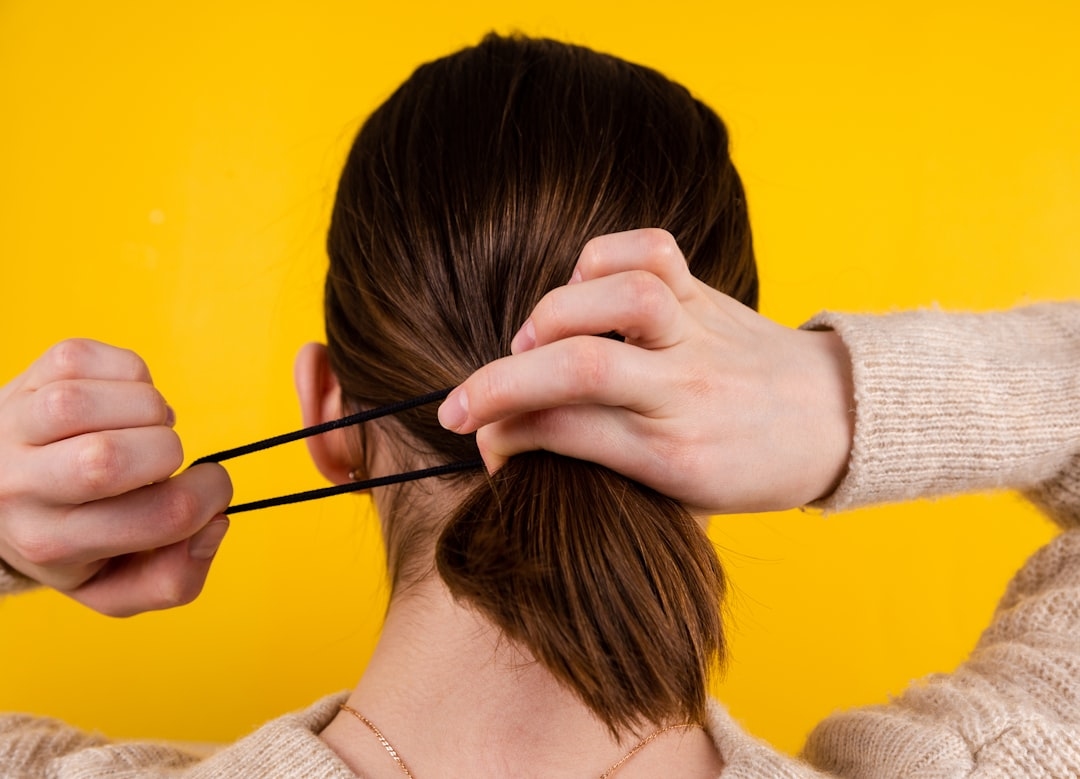
Metal clips and standard elastic bands create creases and cause breakage in wet hair. Silk scrunchies, hair ribbons, or fabric-covered elastics are gentler. Even then, keep tension loose.
Morning-After Hair Care
What you do when you wake up determines whether your overnight effort pays off.
Don’t Immediately Brush or Comb
Your hair is still somewhat delicate when you wake. Spray with a leave-in conditioner spray (£5–£10), wait 2 minutes, then gently detangle with a wide-tooth comb if needed. For curly hair, scrunch to reactivate curl pattern rather than combing.
Refresh Your Style With Water
If your curls look flattened or waves are creased, lightly mist your hair with water from a spray bottle and scrunch. This resets the curl pattern without requiring a full wash or heat styling. Most hair responds within 30 seconds.
Apply a Lightweight Oil or Serum
Once your hair is dry (or whilst still slightly damp), apply a drop or two of argan oil or lightweight hair serum. This seals the cuticle, adds shine, and keeps frizz at bay throughout the day. A quality hair oil (£8–£18) lasts months since you’re using just a few drops per application.
Sustainability and Eco-Friendly Considerations
Sleeping with wet hair is inherently more sustainable than frequent heat styling. Blow-dryers consume significant electricity; a typical hairdryer uses 1400 watts and costs roughly 40p per hour to run. If you’re blow-drying daily, that’s nearly £100 per year in electricity alone.
By embracing wet-hair sleeping and air-drying, you eliminate this energy consumption entirely. Over a year, one person avoiding daily blow-drying saves approximately 500 kilowatt-hours of electricity—equivalent to the carbon footprint of driving a petrol car roughly 1,600 kilometres.
Additionally, gentler sleeping methods mean your hair lasts longer before needing cutting. Fewer haircuts mean less water used at salons and fewer microplastics from damaged hair shedding into waterways. The ripple effects of this single habit change are surprisingly substantial.
Frequently Asked Questions
Is sleeping with wet hair bad for you?
Sleeping with wet hair isn’t inherently harmful if you protect it properly. Wet hair is fragile, but with a silk pillowcase, leave-in conditioner, and protective styling, you actually reduce damage compared to heat-styling dry hair. The key is preparation.
Can wet hair cause scalp problems?
Prolonged dampness against the scalp can encourage bacterial growth, particularly if your hair remains wet against your head for hours. Use the pineapple or plopping method to keep hair off your scalp, and ensure it dries within 2–3 hours. If you have a sensitive or oily scalp, this precaution is especially important.
How long does it take hair to air-dry overnight?
Most hair air-dries fully within 3–5 hours if it’s damp (not soaking) and your bedroom is well-ventilated. Very thick or curly hair may take 6–8 hours. Wavy or straight hair dries faster. If your hair is still soaking wet at bedtime, plop first to remove excess moisture.
What’s the best product for sleeping with wet hair?
Leave-in conditioners designed for your hair type work best. Look for products with silicones (for smoothing), proteins (for strength), and humectants like glycerin (for moisture). Avoid heavy oils that weigh curls down. SheaMoisture, Cantu, or Kinky-Curly brands offer effective options in the £4–£12 range at UK retailers.
Can I sleep with wet hair every night?
Yes, you can sleep with wet hair nightly if you follow these practices. However, some people find their scalp becomes irritated with constant dampness. If you notice itching or flaking, alternate between fully dry hair and wet-hair nights, or ensure your hair dries completely within 3 hours of going to bed.
Your Wet-Hair Sleeping Routine Starts Now
Learning how to sleep with wet hair transforms your relationship with styling. No more forced blow-drying. No more heat damage. No more frizz from frustrated morning rushing. Instead, you wake with hair that’s defined, healthier, and often better-looking than anything you could achieve with heat tools.
Start with the fundamentals: swap to a silk pillowcase this week, apply leave-in conditioner before bed, and try the pineapple method. Within a fortnight, you’ll notice less breakage, reduced frizz, and curls that hold their shape better. These aren’t dramatic claims—they’re simple physics. When you remove damage and friction, hair improves.
This approach works whether you have ringlets, loose waves, or straight hair. It works whether you’re dealing with fine strands or thick texture. And it works whether you’re sleeping with wet hair once weekly or every single night. The science is consistent, and the results speak for themselves.

+ There are no comments
Add yours