









Contents:
- The Science Behind Hair Trimming Frequency
- Trimming Schedule by Hair Type
- Fine or Thin Hair
- Normal, Healthy Hair
- Thick or Coarse Hair
- Curly or Textured Hair
- Colour-Treated or Chemically Processed Hair
- Special Cases: When to Trim More Frequently
- Seasonal Trimming Timeline
- Cost Breakdown: Trimming Frequency by Budget
- What the Pros Know
- FAQ: Hair Trimming Frequency Questions
- What’s the minimum trim frequency to maintain healthy hair?
- Can I trim my hair at home instead of the salon?
- Does trimming make hair grow faster?
- Is it bad to trim too frequently?
- How much hair should be trimmed each time?
- Can I extend time between trims if I’m trying to grow my hair long?
You’re sitting in the salon chair, and your stylist asks: “When was your last trim?” You think back—was it six weeks? Three months? Longer? Most people have no idea how frequently they should get their hair trimmed. The answer isn’t universal—it depends on your hair type, style, goals, and damage level.
Here’s the surprising truth: regular trims are one of the most cost-effective ways to maintain healthy, long hair. They’re not optional luxury—they’re maintenance like changing your car’s oil. Neglecting trims leads to split ends, breakage, and paradoxically, slower length retention. Understanding the right trimming frequency transforms how your hair grows and looks.
The Science Behind Hair Trimming Frequency
Hair grows approximately 0.4mm daily or 6 inches yearly. However, hair also breaks. A single split end doesn’t just stop at the break—it travels up the hair shaft, splitting further with each wash or styling session. Without regular trims, split ends compound, eventually causing you to lose more hair to breakage than you’re gaining from growth.
This is why long-haired people often cut shoulder-length hair, only to grow it back to shoulder-length. They’re not actually retaining growth—breakage from lack of trims cancels out natural growth.
Regular trims remove damage before it travels up the shaft. A quarter-inch trim every 6-8 weeks prevents split ends from ever dominating your hair. The maths seems counterintuitive (cutting hair helps it grow?), but it absolutely does.
Trimming Schedule by Hair Type
Fine or Thin Hair
Fine hair is delicate and more prone to breakage. Regular trims prevent cumulative damage. Schedule: every 4-6 weeks. This might feel frequent, but fine hair benefits significantly from consistent trims.
Professional trim cost: £20-35 per trim in most UK locations. Monthly investment: £20-35 if trimming every 4 weeks. Annual cost: £240-420.
Without regular trims, fine hair breaks excessively. You end up trimming more hair away due to damage than if you’d simply trimmed consistently. Regular trimming is cheaper long-term.
Normal, Healthy Hair
Hair with no major damage and average thickness. Schedule: every 6-8 weeks. This is the most common recommendation from professional stylists and the sweet spot for most people.
Professional trim cost: £18-30 per trim. 6-8 week schedule = 6-7 trims yearly = £108-210 annually.
This frequency removes damage before it becomes obvious whilst maintaining length retention efficiently.
Thick or Coarse Hair
Thicker hair is more resilient. It tolerates longer stretches between trims. Schedule: every 8-10 weeks. You can extend further without significant damage.
Professional trim cost: £20-40 per trim (thick hair takes longer to cut). 8-10 week schedule = 5-6 trims yearly = £100-240 annually.
Thick hair breaks less easily, allowing extended intervals between trims without dramatic damage accumulation.
Curly or Textured Hair
Curly hair breaks more easily due to the stress on the structure at curl bends. Schedule: every 6-8 weeks, sometimes more frequent for very curly or damaged curls.
Professional trim cost: £25-50 per trim (curly cuts require specialist skill). 6-8 week schedule = 6-7 trims yearly = £150-350 annually.
Textured hair demands more frequent maintenance. Many curly-haired people find that trimming every 6 weeks, though seemingly frequent, actually allows them to grow longer hair than trimming every 3-4 months.
Colour-Treated or Chemically Processed Hair
Bleached, permed, or relaxed hair is damaged by definition. The chemical process breaks down protein structure. Schedule: every 4-6 weeks minimum. Some professionals recommend even more frequent trims (every 4 weeks) for heavily processed hair.
Professional trim cost: £20-40 per trim. 4-6 week schedule = 8-10 trims yearly = £160-400 annually.
Colour-treated hair breaks faster. Regular trims prevent cumulative damage from destroying the length you’re trying to maintain.
Special Cases: When to Trim More Frequently
After chemical treatments (bleach, relaxer, perm): Trim 2-3 weeks after treatment to remove the most damaged hair. Then establish regular schedule.
If you heat style daily: Heat damage accumulates rapidly. Trim every 4-6 weeks rather than every 8 weeks.
If you swim regularly: Chlorine and salt water damage hair rapidly. Trim every 4-6 weeks.
During heavy-stress periods: Stress increases shedding and breakage. Trim more frequently (every 4-6 weeks) during stressful times.
If you have very long hair (past shoulders): Longer hair travels further from the scalp’s natural oil protection. Tips break more easily. Trim every 6-8 weeks to prevent excessive damage to long lengths.
Seasonal Trimming Timeline
Spring (March-May): Winter damage becomes obvious. Trim away winter-induced damage (breakage from dry heating, hat friction, etc.). Establish a spring trim schedule for summer. If you trim every 8 weeks, aim for mid-March and early May.
Summer (June-August): Sun, chlorine, and salt water accelerate damage. If you’re at the beach regularly, trim every 4-6 weeks instead of 8. Pool swimmers should trim every 4 weeks. Standard indoor activities? Maintain your regular schedule.
Autumn (September-October): Summer damage becomes obvious by September. Trim to remove split ends that accumulated through summer. Continue your regular schedule through autumn, possibly extending to every 8-10 weeks as activity decreases.
Winter (November-February): Indoor heating, dry air, and hat friction (hats cause breakage through friction) increase damage. Trim every 6-8 weeks rather than extending to 10 weeks. Most people benefit from slightly more frequent trims in winter.
Cost Breakdown: Trimming Frequency by Budget
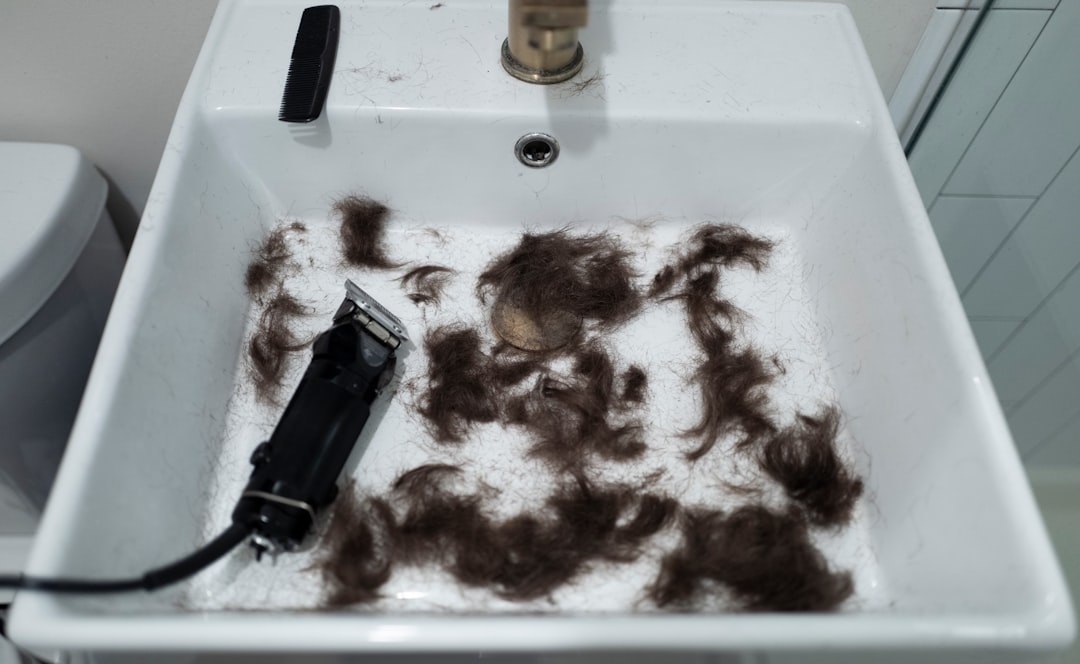
Ultra-budget (DIY at-home trims): Zero cost for scissors (already owned), only your time. Risk: uneven trims, accidentally cutting too much, difficulty cutting your own back hair. Results: highly variable. Not recommended unless you have specific hair-cutting experience.
Budget trims (chain salons or junior stylists): £12-18 per trim. Salon chains like Toni & Guy, Headmasters, or local junior stylists offer basic trims at lower prices. Quality varies but basic trims are reliable. Every 8 weeks = approximately £78-117 yearly.
Standard professional trims (established salons): £20-35 per trim. Most independent or mid-tier salons. Excellent quality, experienced stylists. Every 6-8 weeks = approximately £130-227 yearly.
Premium trims (high-end salons): £40-80+ per trim. London salons, Mayfair establishments, celebrity stylists. Superior technique, specialist knowledge, personalised service. Every 6-8 weeks = £260-520+ yearly. Premium trimming isn’t proportionally more effective for most people—above £30-35 per trim, you’re paying for salon experience rather than trim quality.
Best value approach: Budget or standard professional trims every 6-8 weeks at £18-35. Cost: approximately £140-280 yearly. This balances affordability with quality and timing.
What the Pros Know
Professional stylists recognize something most people miss: the size of the trim matters less than the frequency. Removing just a quarter-inch (0.6cm) every 6 weeks is infinitely better than removing half an inch (1.2cm) every 12 weeks, even though the yearly total is similar. Small, frequent trims prevent damage. Large, infrequent trims feel like you’re “actually getting a trim,” but damage compounds dangerously between appointments. Regular stylists tell clients to commit to 6-8 week appointments—this transforms your hair’s health in ways that sporadic trims never do.
FAQ: Hair Trimming Frequency Questions
What’s the minimum trim frequency to maintain healthy hair?
For most people: every 8-10 weeks is the maximum before damage begins accumulating faster than growth. Shorter intervals (every 4-8 weeks) maintain optimal health. Longer intervals (more than 12 weeks) typically result in excessive breakage offsetting length growth.
Can I trim my hair at home instead of the salon?
Trimming your own hair is difficult unless you have specific training. The back of your head is difficult to see and cut evenly. Risk of uneven lengths is high. Most people are better served by professional trims. If you’re determined to cut at home, trim just the ends (1-2 inches) rather than attempting precise lines.
Does trimming make hair grow faster?
Trims don’t increase the growth rate—hair grows the same speed regardless. However, trims prevent breakage, which allows you to retain length better. If you’re losing 1 inch monthly to breakage and gain 0.5 inches from growth, your net is -0.5 inches (hair gets shorter). With regular trims removing breakage, you gain the full 0.5 inches. Trims don’t create faster growth—they enable you to retain what you’re already growing.
Is it bad to trim too frequently?
Trims every 4 weeks or more frequently are safe if needed (for colour-treated or damaged hair). However, trimming every 2-3 weeks is unnecessarily frequent for most people. Find your hair type’s optimal frequency and stick with it rather than over-trimming.
How much hair should be trimmed each time?
A basic trim removes 0.25-0.5 inches (0.6-1.2cm). This is sufficient to remove split ends and damaged hair without excessive length loss. Heavier trims (1-2 inches) are sometimes needed after major damage but shouldn’t be routine. Communicate with your stylist—a “light trim” removes minimal length whilst removing damage.
Can I extend time between trims if I’m trying to grow my hair long?
Counter-intuitively, regular trims actually help you grow longer hair faster. Extending trims to every 12+ weeks sounds like you’re retaining length, but breakage usually offsets this. Clients who trim every 6-8 weeks often grow longer hair in a year than clients who trim every 12 weeks. The math works because you’re not losing hair to damage.
How often should you get your hair trimmed? The answer depends on your hair type, but the principle is universal: regular, small trims prevent damage and enable length retention. Whether you trim every 4 weeks (fine or processed hair) or every 10 weeks (thick, healthy hair), consistency matters more than exact frequency. Pick a schedule based on your hair type, mark it on your calendar, and commit for 12 months. By month 6, you’ll notice your hair is visibly healthier, stronger, and paradoxically, longer despite removing hair regularly. That transformation is why professionals universally recommend regular trims—it’s not cosmetic advice, it’s maintenance science that actually works.


+ There are no comments
Add yours