










Contents:
- Quick Answer: Electrolysis Basics
- How Electrolysis Hair Removal Works: The Science
- Electrolysis vs. Laser Hair Removal: The Critical Distinction
- Electrolysis Hair Removal Procedure: What to Expect
- Timeline: How Long for Complete Hair Removal?
- Permanent Hair Removal: Why Electrolysis Delivers When Laser Doesn’t
- Sustainability Angle: Electrolysis and Environmental Impact
- Cost and Logistics
- FAQ: Electrolysis Hair Removal Questions
In the 1870s, a St. Louis dermatologist named Charles E. Allen discovered that running electrical current through a hair follicle destroyed the root permanently. This electrolysis technique became the first method offering genuine permanent hair removal. Today, over 150 years later, what is electrolysis hair removal remains misunderstood—often confused with laser treatment or shaving, dismissed as slow and outdated, or incorrectly called the only permanent solution for certain hair and skin combinations.
Quick Answer: Electrolysis Basics
Electrolysis is a permanent hair removal method using electrical current to destroy hair follicles. A technician inserts a fine needle into each hair follicle and applies electrical current, destroying the follicle’s ability to regrow hair. It works on all hair colours and all skin tones. Sessions take 15 minutes to 2+ hours depending on treatment area. Costs range from £30 to £100+ per session. Results are permanent; regrowth doesn’t occur in treated follicles. Complete hair removal requires multiple sessions—typically 10 to 30 depending on hair density and area size.
How Electrolysis Hair Removal Works: The Science
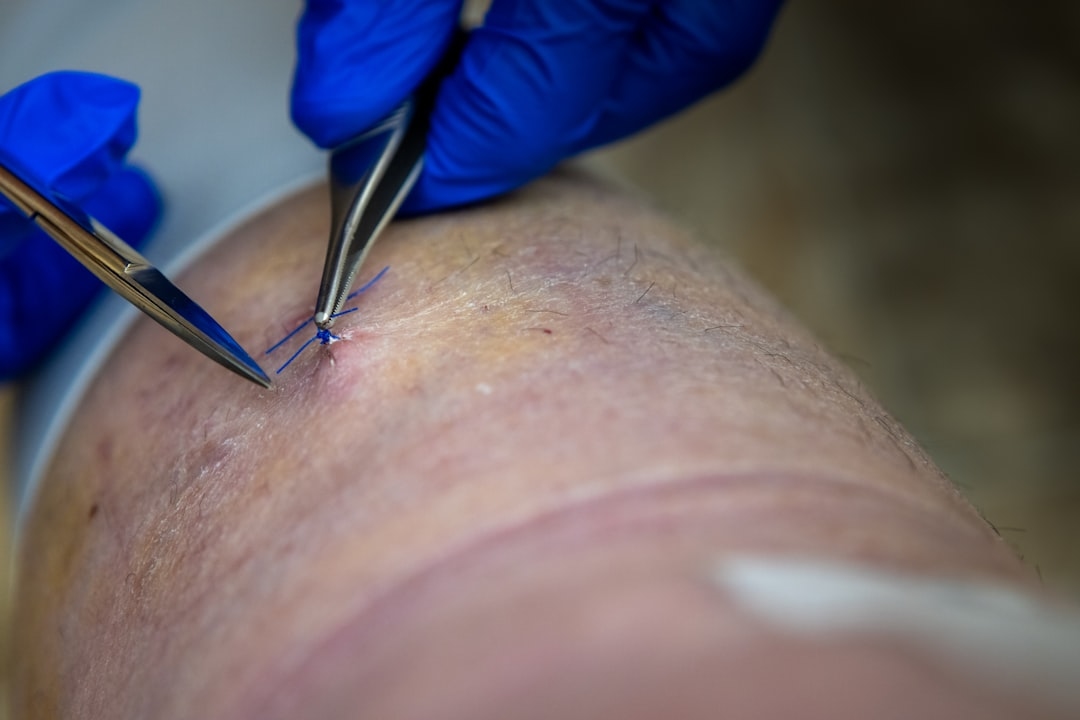
Electrolysis uses direct electrical current (galvanic) or alternating current (thermolytic) passed through a probe inserted into the hair follicle. The electrical current heats the follicle, destroying the dermal papilla—the structure at the follicle base responsible for hair growth. Once destroyed, the follicle cannot regenerate hair.
Three electrical methods exist: galvanic (direct current, destroys follicle chemically), thermolytic (radiofrequency current, heats follicle), and blend (combination of both). Galvanic works more slowly but deeply; thermolytic works quickly but requires precise positioning; blend combines benefits of both. Modern electrolysis machines primarily use blend or thermolytic methods for speed and efficacy.
The key difference from laser: laser targets melanin pigment in hair and skin, destroying follicles through light energy. Electrolysis works through electrical current regardless of hair colour or skin tone. This makes electrolysis the truly universal method—it works equally on blonde hair, red hair, grey hair, dark hair, and any skin colour.
Electrolysis vs. Laser Hair Removal: The Critical Distinction
These treatments are fundamentally different, though many people use the terms interchangeably. Laser works on pigmented hair, requiring dark hair in light skin for optimal results. Electrolysis works on all hair colours and skin tones. Laser treats multiple hairs simultaneously in pulses; electrolysis treats individual hair follicles. Laser is faster for large areas; electrolysis is slower but works anywhere on the body, including eyelids, bikini line, face, and areas with fine hair.
Laser delivers permanent reduction—typically 80 to 95% reduction requiring maintenance sessions. Electrolysis delivers true permanence—treated follicles never regrow. Additionally, laser costs £150 to £400 per session for large areas, making extensive treatment expensive. Electrolysis costs typically £30 to £100 per session, making it more affordable for facial hair or small areas but time-intensive for large areas.
Electrolysis Hair Removal Procedure: What to Expect
A single electrolysis session involves the technician cleaning your skin, then using a fine probe (thickness: 1 millimetre or less) to insert into each follicle and apply electrical current for 1 to 3 seconds per follicle. The sensation varies from mildly uncomfortable to painful depending on your pain tolerance, the area treated, and probe insertion depth. Most people describe it as pricking sensations or mild heat rather than sharp pain.
Sessions last 15 minutes (small area like chin) to 2+ hours (full leg or back). Hair density determines session length—densely haired areas require more follicles treated, extending duration. You typically see 15 to 30% of targeted hairs permanently removed per session, depending on technician skill and your hair growth cycle.
After treatment, slight redness, irritation, and temporary crusting appear for 1 to 3 days. Avoiding sunlight, wearing loose clothing, and not manipulating treated areas prevents complications. Regrowth doesn’t occur in treated follicles, though untreated surrounding hairs continue growing normally.
Timeline: How Long for Complete Hair Removal?
Complete electrolysis hair removal takes substantially longer than laser treatment. Small areas (upper lip, chin) require 10 to 20 sessions over 6 to 12 months. Larger areas (full face, underarms) require 15 to 30 sessions over 1 to 2 years. Very large areas (full legs, back) can require 50+ sessions over 2 to 3 years. The extended timeline reflects the one-follicle-at-a-time treatment method.

Sessions space 1 to 2 weeks apart initially, then gradually space further as the number of untreated hairs decreases. Early sessions are lengthy because many hairs require treatment; later sessions become shorter as fewer untreated hairs remain.
Permanent Hair Removal: Why Electrolysis Delivers When Laser Doesn’t
Electrolysis is FDA-approved as permanent hair removal. Laser is FDA-approved as permanent hair reduction. This distinction matters. Permanent means no regrowth occurs. Permanent reduction means 80 to 95% of hairs are destroyed, with some regrowth over years. For people demanding true permanence—particularly those with genetic hair loss concerns or budget constraints for ongoing maintenance—electrolysis delivers what laser cannot.
Sustainability Angle: Electrolysis and Environmental Impact
Electrolysis offers genuine permanent results, eliminating the need for endless razors, shaving cream, or repeated laser sessions. Over a lifetime, electrolysis produces far less waste than daily shaving (millions of razor blades) or repeated semi-permanent treatments. The extended treatment timeline means a single round of electrolysis—completed once—requires no future hair removal maintenance, making it environmentally superior to perpetual temporary solutions.
Cost and Logistics
Electrolysis costs £30 to £100 per session, totalling £300 to £3,000 for complete permanent removal depending on area size and hair density. Laser costs more per session but fewer sessions, totalling £800 to £3,000 for permanent reduction. For small facial areas, electrolysis is typically cheaper; for large areas, laser is faster and often ultimately cheaper despite higher per-session cost.
FAQ: Electrolysis Hair Removal Questions
Is electrolysis hair removal truly permanent? Yes. FDA-approved as permanent hair removal. Treated follicles are destroyed and never regrow hair. Untreated follicles continue growing normally, requiring additional treatment or maintenance of other areas.
Does electrolysis work on all hair types and colours? Yes. Unlike laser, electrolysis works equally on blonde, red, grey, and dark hair, and on all skin tones. This universality is electrolysis’s primary advantage over laser treatment.
Is electrolysis painful? Mildly uncomfortable rather than painful for most people. Sensation ranges from light pricking to warm needling. Pain tolerance varies; sensitive areas like underarms or inner thighs hurt more than cheeks or legs.
How much electrolysis costs for small areas like facial hair? Typically £30 to £60 per session for 30 to 60 minutes. Small areas (chin, upper lip) require 10 to 20 sessions, totalling £300 to £1,200 for permanent removal.
Can I switch between electrolysis and laser treatment? Laser won’t work on hairs already treated with electrolysis (they’re destroyed). However, you can use laser on untreated hairs, then electrolysis for remaining sparse hairs. Combining methods works if done strategically with your technician.

+ There are no comments
Add yours