






Contents:
- Understanding the Connection Between Dehydration and Hair Loss
- How Dehydration Damages Hair at the Cellular Level
- Moisture Loss in the Hair Shaft
- Scalp Inflammation and Follicle Stress
- Reduced Sebum Production
- Dehydration vs. Dry Hair: What’s the Difference?
- Signs You’re Dehydrated and It’s Affecting Your Hair
- How Much Water Should You Actually Drink?
- Sustainability and Cost Considerations
- Practical Steps to Restore Hydration and Hair Health
- Immediate Actions
- Dietary Support
- Topical Hydration (Complementary)
- Timeline: When Will You See Results?
- Frequently Asked Questions
- Can dehydration cause permanent hair loss?
- How much water is too much?
- Will drinking more water replace my hair loss treatment?
- Can I be dehydrated if I don’t feel thirsty?
- Does tap water hydrate as effectively as filtered or mineral water?
- Your Hair’s Hydration Future Starts Today
In ancient Egypt, elaborate hairstyles and thick, lustrous hair symbolised wealth and social status. Cleopatra reportedly bathed in milk and honey to maintain her iconic locks. Yet what those ancient civilisations understood intuitively—that nourishment and hydration are essential for beautiful hair—we’re only now confirming through modern science. Today, dehydration remains one of the most overlooked culprits behind hair thinning and loss, affecting millions who search desperately for answers.
Understanding the Connection Between Dehydration and Hair Loss
Your hair shaft is approximately 13% water. This moisture content is what gives hair its elasticity, strength, and shine. When your body becomes dehydrated, it prioritises vital organs—your brain, heart, and kidneys—over non-essential structures like hair. This biological triage means your scalp and follicles receive less moisture, weakening the hair at its foundation.
The hair growth cycle operates in three phases: anagen (growth), catagen (transition), and telogen (resting and shedding). Severe dehydration can prematurely push hair into the telogen phase, causing what dermatologists call telogen effluvium—a condition where hair sheds more rapidly than normal. Studies show that chronic dehydration can increase shedding by 20–30% within weeks of dehydration onset.
Beyond the growth cycle, dehydration compromises your body’s ability to produce keratin, the protein that forms hair’s core structure. Without adequate hydration, keratin synthesis slows, leaving new hair growth weaker and more prone to breakage.
How Dehydration Damages Hair at the Cellular Level
Moisture Loss in the Hair Shaft
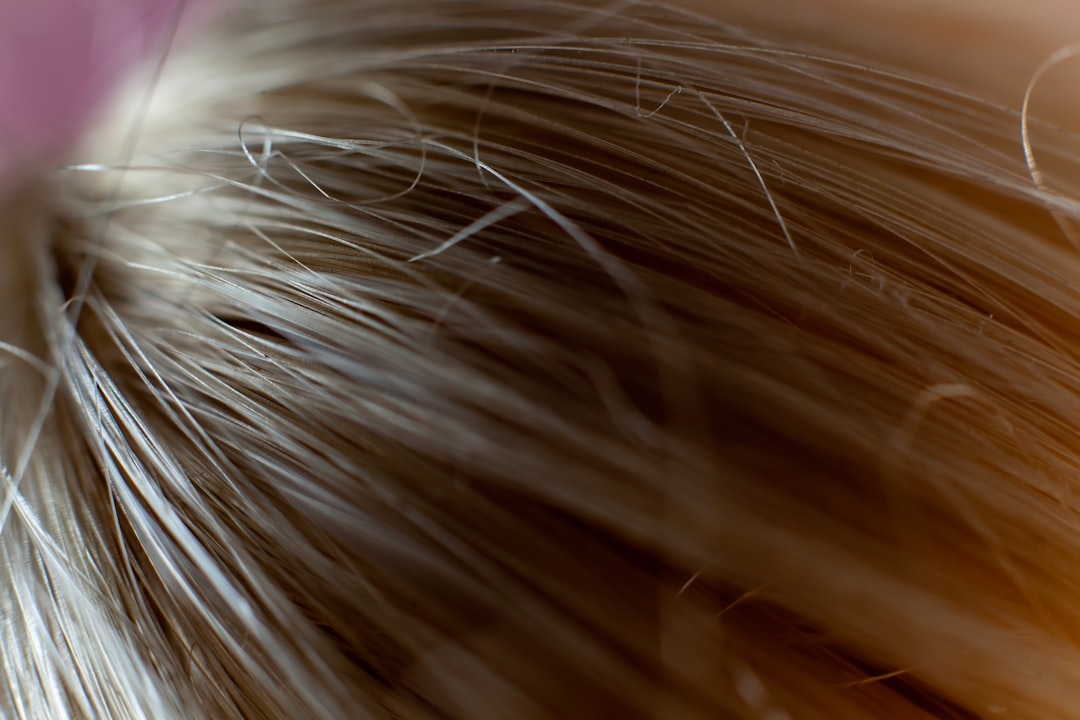
Dehydrated hair becomes brittle and develops a rough cuticle layer. The cuticle—your hair’s protective outer coating—lies flat when hydrated and glossy. When water content drops, the cuticle lifts, exposing the cortex beneath and causing frizz, split ends, and breakage. This damage accumulates over time, meaning long-term dehydration creates cumulative harm to your hair’s structural integrity.
Scalp Inflammation and Follicle Stress
A dehydrated scalp becomes tight, itchy, and inflamed. This inflammation restricts blood flow to hair follicles, limiting oxygen and nutrient delivery. Hair follicles starved of oxygen enter dormancy faster, shortening the growth phase. Additionally, a dry scalp becomes a breeding ground for fungal and bacterial growth, which can trigger seborrheic dermatitis or folliculitis—conditions that accelerate hair loss.
Reduced Sebum Production
Your scalp produces sebum, a natural oil that hydrates and protects hair. When you’re dehydrated, sebum production decreases. Counterintuitively, this can lead to either excessively dry hair or an oily scalp (as the scalp overcompensates). Either way, the protective sebum layer is compromised, leaving hair vulnerable to environmental damage and breakage.
Dehydration vs. Dry Hair: What’s the Difference?
Many people confuse dehydration with dry hair, but they’re distinct conditions. Dry hair is a texture issue—your hair lacks moisture and oils. Dehydration is systemic; your entire body, including your scalp and follicles, is moisture-depleted. You can have oily, shiny hair while being severely dehydrated. Conversely, you might have dry hair but excellent hydration if you’re moisturising topically with conditioners and oils.
The key difference: dry hair improves with external treatments (conditioners, serums, masks), whilst dehydration requires internal solution—drinking water and maintaining systemic hydration. Many people spend £25–£60 monthly on premium hair products only to discover their real problem is insufficient water intake.
Signs You’re Dehydrated and It’s Affecting Your Hair
- Excessive shedding: More than 100 hairs lost daily during brushing
- Brittle texture: Hair that snaps easily when brushed or styled
- Lack of shine: Dull appearance despite using conditioner
- Itchy, tight scalp: Persistent itching or flaking unrelated to dandruff
- Slow growth: Hair that barely grows despite healthy habits
- Increased frizz: Especially noticeable in humid environments
- Dark urine and thirst: Classic dehydration markers that correlate with hair problems
How Much Water Should You Actually Drink?
The NHS recommends 6–8 cups (approximately 1.5 litres) of fluids daily for adults. However, this baseline applies to sedentary individuals in cool climates. For hair health specifically, many trichologists recommend 2–3 litres daily, especially if you exercise, live in a dry climate, or consume caffeine and alcohol (which increase fluid loss).
A practical metric: your urine should be pale yellow. Dark urine indicates dehydration. Aim to drink consistently throughout the day rather than chugging water all at once—your body absorbs and utilises steady hydration more effectively.
Sustainability and Cost Considerations
Investing in water bottles and hydration habits is far more sustainable than cycling through expensive hair treatments. A reusable water bottle costs £15–£40 upfront and lasts years. Compare this to premium hair loss treatments (£30–£100+ monthly) or professional treatments (£200–£600+ per session). Hydration is also eco-friendly; choosing tap water over bottled water reduces plastic waste by 80–90% annually per person.
Many people don’t realise that simply increasing water intake can deliver visible hair improvement within 4–8 weeks, costing nothing beyond your standard water bill.
Practical Steps to Restore Hydration and Hair Health

Immediate Actions
- Increase water intake to 2–3 litres daily, drinking evenly throughout the day
- Monitor urine colour; aim for pale yellow
- Reduce caffeine and alcohol, which dehydrate
- Use a humidifier if you live in a dry climate, especially during winter months
Dietary Support
Water-rich foods amplify hydration. Incorporate cucumber (95% water), watermelon (92% water), oranges (87% water), and leafy greens (90% water). These foods also provide electrolytes and minerals that support hair protein synthesis. Foods rich in biotin, zinc, and iron—like eggs (£0.20–£0.35 each), spinach (£0.50–£1.20 per bag), and almonds (£4–£6 per 200g bag)—further strengthen hair from within.
Topical Hydration (Complementary)
While internal hydration is primary, topical treatments accelerate results. Use a hydrating conditioner weekly, and consider a deep conditioning mask fortnightly (£8–£15 per treatment). Avoid harsh shampoos containing sulphates, which strip moisture. Switch to sulphate-free alternatives (£4–£10 per bottle).
Timeline: When Will You See Results?
Hair growth cycles mean results aren’t immediate. You’ll notice scalp improvements (reduced itching, less flaking) within 1–2 weeks. Reduced shedding typically appears at 3–4 weeks. Visible improvements in hair texture, shine, and strength emerge at 6–8 weeks. New growth benefits take 3–6 months to fully manifest, as new hair begins growing from the follicle root.
Patience is essential. Your hair today reflects your hydration status from 2–3 months ago.
Frequently Asked Questions
Can dehydration cause permanent hair loss?
No. Dehydration causes telogen effluvium, a temporary shedding phase. Once you restore hydration, hair regrows normally within 3–6 months. Permanent hair loss typically results from genetic factors (androgenetic alopecia) or medical conditions. However, prolonged severe dehydration can stress follicles into dormancy, making recovery slower.
How much water is too much?
Drinking excessively (over 3–4 litres daily without intense exercise) can cause hyponatraemia, where blood sodium becomes diluted. This is rare but serious. Standard guidance is 2–3 litres daily for hair health. Listen to your body; thirst is an excellent indicator.
Will drinking more water replace my hair loss treatment?
Hydration supports natural hair health but doesn’t treat genetic hair loss (androgenetic alopecia) or medical alopecia. If hair loss is severe or family-linked, consult a dermatologist. Hydration is foundational; medical treatments (minoxidil, finasteride) address specific conditions. Many people benefit from combining both approaches.
Can I be dehydrated if I don’t feel thirsty?
Yes. Thirst lags behind dehydration; by the time you feel thirsty, mild dehydration has already begun. This is especially true for older adults and athletes. Monitor urine colour instead—it’s a more reliable indicator than thirst sensation.
Does tap water hydrate as effectively as filtered or mineral water?
For hydration purposes, yes. Your body processes all water types equally. The primary benefit of filtered water is improved taste (encouraging consistent drinking) and removal of contaminants. Mineral water adds electrolytes like magnesium, which supports hair health, but standard hydration needs are met by any clean water source.
Your Hair’s Hydration Future Starts Today
Can dehydration cause hair loss? Absolutely. The research is clear, and the solution is simpler than most expensive treatments suggest. By prioritising hydration alongside your existing hair care routine, you’re addressing a fundamental biological need that modern life often neglects. Your hair didn’t lose its vitality overnight; restore the conditions that allow it to flourish, and you’ll rediscover the strength, shine, and density you deserve. Start today by filling your water bottle and making hydration a daily habit—your hair will thank you within weeks.

+ There are no comments
Add yours