


Contents:
- Why Newborns Have Special Hair (Lanugo)
- The Science Behind Newborn Hair Shedding
- Timeline: When Newborn Hair Falls Out
- Birth to 8 Weeks
- 8 to 16 Weeks
- 16 Weeks to 6 Months
- 6 to 12 Months
- Hair Loss Patterns in Newborns
- Bald Spots from Position
- Colour Changes During Shedding
- Texture Transformation
- When to Worry: Abnormal Hair Loss in Babies
- Caring for Your Baby’s Shedding Hair
- Gentle Hair Washing
- Handling Cradle Cap
- Brush Selection
- Environmental Factors and Hair Health
- Sun Protection
- Moisture and Hydration
- Clothing Choices
- FAQ: Newborn Hair Shedding Questions
- Is my baby bald because something’s wrong?
- Can I prevent newborn hair loss?
- Why is my baby’s new hair a different colour?
- How long until my baby has a full head of hair?
- Should I use any special products during shedding?
- Moving Forward with Confidence
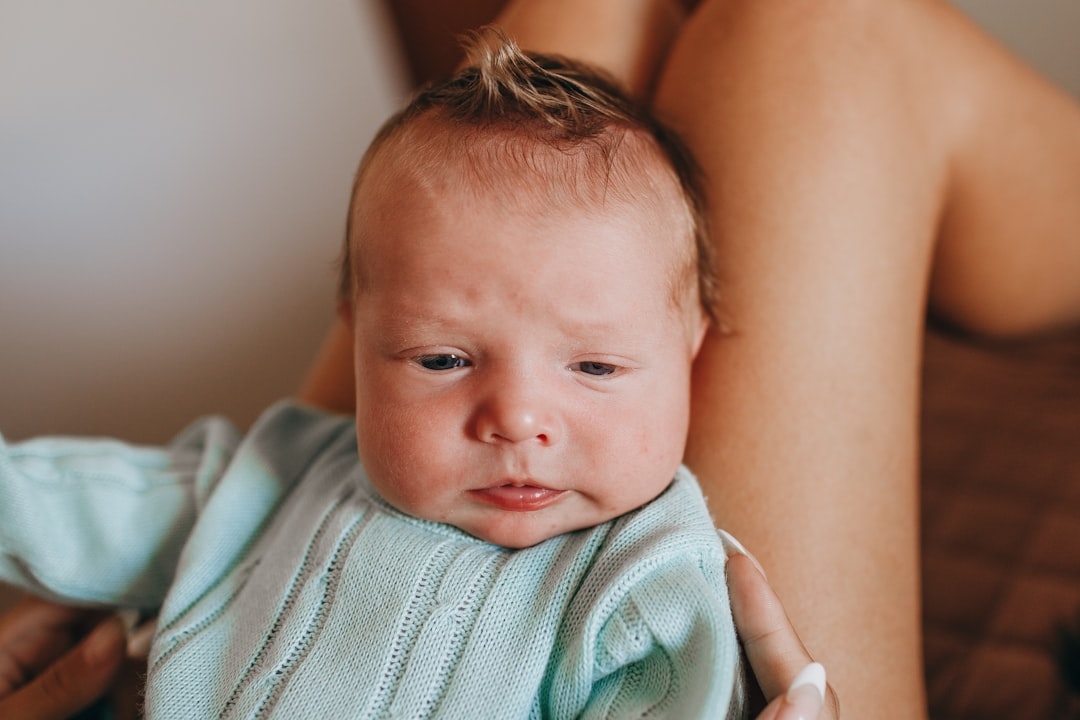
You bring your beautiful newborn home from the hospital, and over the first few weeks, you notice fine hairs on the cot sheets, the pram, even your shoulder after cuddles. Your heart sinks. Is something wrong with your baby? Not at all. This perfectly normal shedding process is one of those undiscussed aspects of early parenting that catches everyone off guard.
Why Newborns Have Special Hair (Lanugo)
Your baby’s hair at birth isn’t quite like the hair they’ll have as a toddler or adult. The fine, downy hair covering many newborns is called lanugo. Your baby developed this hair around 5 months in the womb, and it’s covered in a waxy protective substance called vernix caseosa. This combination keeps your developing baby warm and protects sensitive skin from the amniotic fluid environment.
Lanugo is temporary. Nature designed it to be shed during infancy as your baby’s permanent hair structure develops. About 80% of babies are born with noticeable lanugo, though premature babies have more, and babies born past their due date have less.
The Science Behind Newborn Hair Shedding
Your baby’s hair growth cycle is different from yours. Newborn hair follicles are in a resting phase. Around 8-12 weeks old, hormonal shifts trigger new hair growth from deeper follicles, which physically pushes out the fine birth hair. This isn’t true hair loss—it’s a natural transition process.
This shedding can be alarming to parents who see bald patches or clumps of hair in the bath, but it’s completely benign. Your baby’s scalp isn’t being damaged. The follicles remain perfectly healthy and are already producing new, thicker permanent hair underneath.
Timeline: When Newborn Hair Falls Out
Birth to 8 Weeks
Most newborns born with lanugo or fine baby hair retain it through the first 2 months. You might notice a few stray hairs on bedding, but significant shedding hasn’t usually started. This is a good time to establish gentle hair care habits—avoid unnecessary washing and use only lukewarm water.
8 to 16 Weeks
Peak shedding typically occurs around 12 weeks. You’ll notice hair loss increasing, potentially leaving bald patches on the back of the head or crown—areas where your baby sleeps. This is completely normal. The bald patches aren’t permanent; permanent hair is growing beneath the surface.
16 Weeks to 6 Months
Shedding continues but may become less noticeable as new hair growth accelerates. By 4-5 months, most babies have noticeably thicker, darker hair appearing. This new hair might be a different colour or texture than what fell out—a surprise many parents don’t anticipate.
6 to 12 Months
By six months, most babies have a reasonable amount of new permanent hair. It might still be fine or wispy, but it’s substantially fuller than during peak shedding. By one year, most babies have a recognisable head of hair, though hair colour and thickness continue evolving throughout toddlerhood.
Hair Loss Patterns in Newborns
Bald Spots from Position
Newborns spend considerable time lying in the same position—usually the back of the head. The combination of friction against bedding, pressure, and concentrated shedding creates bald patches called alopecia from friction. These are entirely temporary. Once your baby starts sitting up and moving around more (around 5-6 months), this pattern resolves naturally.
Colour Changes During Shedding
Many parents are shocked when their brunette newborn’s fine baby hair sheds and thick blonde hair grows in, or vice versa. This is normal. Your baby’s permanent hair colour often differs from lanugo, and it can take years for the final colour to fully establish. Babies with Mediterranean heritage might be born dark-haired, then grow lighter locks by 12 months.
Texture Transformation
Fine, straight birth hair often gives way to curly or wavy permanent hair, or vice versa. This change relates to follicle structure and genetics. Hair texture continues evolving until age 3-4, so your baby’s final hair type might differ significantly from what appears at 12 months.
When to Worry: Abnormal Hair Loss in Babies
Normal newborn shedding is gradual and leaves the scalp pink and healthy-looking. Concerning patterns include:
- Sudden, rapid hair loss: Losing most hair over just 1-2 weeks
- Inflamed or broken skin: Bald patches with red, scaly, or weeping skin
- Scaling or crusting: Thick, crusty patches (possible cradle cap, usually benign)
- Asymmetric patchy loss: Uneven bald areas not explained by sleeping position
- Hair loss after 12 months: New hair loss beginning after the shedding phase ends
If you notice any concerning patterns, mention them at your baby’s regular health visitor appointments. Most concerns are completely benign, but early identification of any actual issues is always wise.
Caring for Your Baby’s Shedding Hair
Gentle Hair Washing
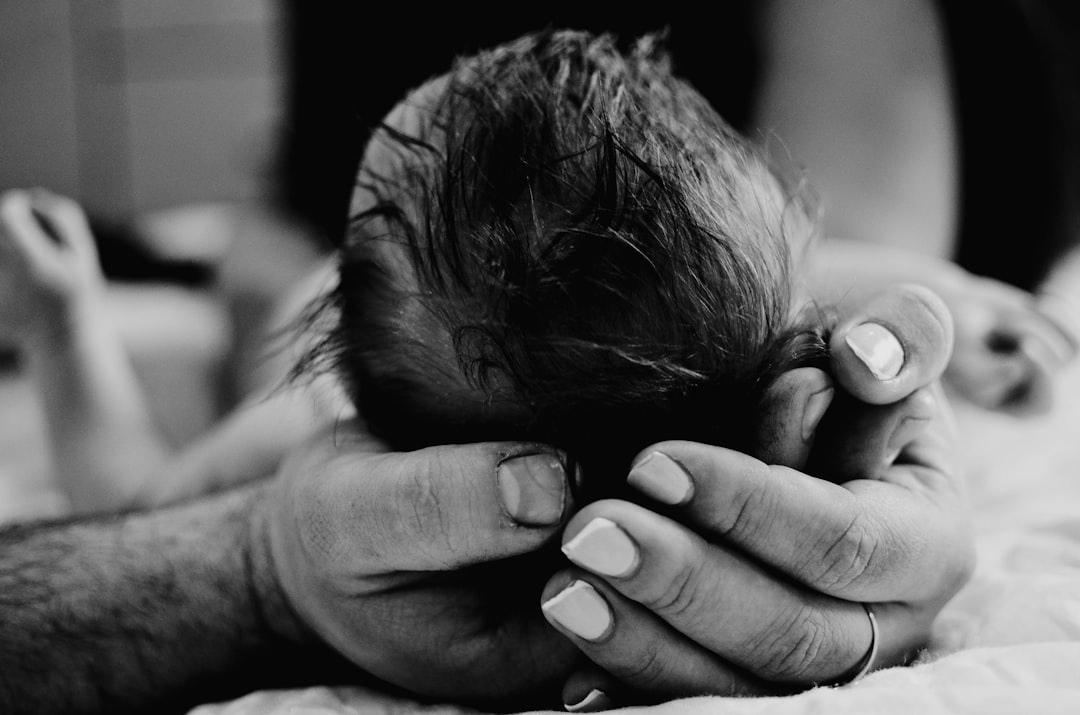
During shedding months, wash your baby’s hair just once or twice weekly with lukewarm water and a mild baby shampoo. Avoid scrubbing or vigorous rubbing. Gently pour water over the scalp and use soft fingertips rather than nails. Products like Johnson’s Baby Shampoo or similar mild formulations cost £2-£4 and are sufficient.
Handling Cradle Cap
Many shedding babies develop cradle cap—yellowish, crusty patches on the scalp. This is seborrheic dermatitis, completely harmless. It usually resolves by 12 months without treatment. If it bothers you, gently massage a little coconut oil or baby oil into the scalp for 10 minutes before shampooing. Never pick at crusts, as this can cause irritation.
Brush Selection
Use only soft-bristled baby brushes or combs. Avoid tight hairstyles that pull on the hair. Many parents ask about products to encourage hair growth—these are unnecessary and potentially irritating. Let your baby’s hair grow naturally without products.
Environmental Factors and Hair Health
Sun Protection
Your baby’s new hair is delicate. When outdoors, protect your baby’s scalp with a hat or lightweight bonnet, especially in summer. Sunscreen isn’t recommended on babies under 6 months, so physical protection is essential.
Moisture and Hydration
Dry air, especially from central heating in winter, can make shedding seem more pronounced. Using a humidifier in your baby’s room maintains moisture levels between 40-60%, supporting skin and scalp health. Budget models cost £20-£30.
Clothing Choices
Soft cotton clothing that doesn’t irritate the scalp supports hair growth. Rough synthetic fabrics or tight hats can cause friction alopecia. Choose breathable fabrics to prevent heat buildup on the scalp.
FAQ: Newborn Hair Shedding Questions
Is my baby bald because something’s wrong?
No. Bald patches from normal shedding are temporary. The skin appears healthy and pink, not inflamed or broken. This is cosmetic and causes no discomfort to your baby. Hair regrowth begins around 4-6 months.
Can I prevent newborn hair loss?
No—and you shouldn’t try. This shedding is a necessary developmental process. Preventing it would actually interfere with your baby’s permanent hair growth. The best approach is accepting the process and focusing on gentle scalp care.
Why is my baby’s new hair a different colour?
Hair colour depends on melanin concentration in the hair shaft, which is genetically determined. Your baby’s lanugo might not have had much melanin, whilst the permanent hair does—or vice versa. Final hair colour often stabilises by age 3-4.
How long until my baby has a full head of hair?
By 6 months, most babies have noticeably fuller hair. By 12 months, a recognisable head of hair is typically present. However, density and thickness continue increasing into toddlerhood. Some babies have thick hair by 12 months; others remain relatively sparse until 18-24 months. Both are normal.
Should I use any special products during shedding?
No. Your baby’s scalp doesn’t need anything beyond lukewarm water and mild baby shampoo once or twice weekly. Oils, creams, and other products are unnecessary and potentially irritating. Keep it simple.
Moving Forward with Confidence
When your newborn’s hair falls out, it’s a sign of healthy development, not a cause for concern. This natural transition typically occurs between 8 and 12 weeks and can last several months. Your baby’s permanent hair is already growing in, and by 12 months, you’ll have a clearer picture of their final hair type, colour, and thickness.
Focus on gentle care, avoid unnecessary products, and trust your baby’s natural processes. Take photos of the shedding phases for your memory book—you’ll laugh about this concern when your toddler has a full head of wild hair.
+ There are no comments
Add yours