







Contents:
- Understanding Grey Hair Development
- Option 1: Embracing and Styling Grey Hair
- The Silver and Salt-and-Pepper Look
- Option 2: Permanent Hair Colouring
- Professional Colouring at UK Salons
- Home Hair Colouring
- Option 3: Semi-Permanent and Demi-Permanent Dyes
- Professional Semi-Permanent Colour
- Home Semi-Permanent Options
- Option 4: Temporary Solutions and Root Touch-Ups
- Root Touch-Up Sprays and Powders
- Hair Mascara and Colour Wands
- Cost Breakdown: Annual Investment for Grey Hair Management
- Blending Options: The Middle Ground
- Hair Health Considerations
- FAQ: Common Questions About Grey Hair Management
- Moving Forward With Confidence
You catch your reflection in the mirror one morning and notice the silver strands have multiplied since last week. That first moment of noticing grey hair often triggers a decision point: what to do with grey hair becomes suddenly urgent. For some, it’s a sign to book a salon appointment. For others, it’s the beginning of a conversation about embracing the change altogether.
The good news is you’re no longer limited to one path. The landscape of grey hair management in 2026 offers unprecedented flexibility. Whether you want to colour, embrace, or somewhere in between, understanding your options ensures you make the choice that fits your life rather than feeling obligated to follow tradition.
Understanding Grey Hair Development
Grey hair appears when your hair follicles stop producing melanin, the pigment responsible for colour. This process is controlled primarily by genetics—if your parents greyed early, you likely will too. On average, people notice their first grey hairs between ages 30-35, though some start as early as their twenties and others not until their fifties.
The number and speed of greying varies dramatically. Some people develop a handful of silver strands that are easily managed; others develop significant grey within a few years. Environmental stress, smoking, and certain nutritional deficiencies can accelerate the process, though genetics remains the dominant factor.
Option 1: Embracing and Styling Grey Hair
Growing numbers of people are choosing to embrace their grey hair rather than fight it. This approach has shifted from something unconventional to increasingly mainstream, particularly in the UK where the ‘silver fox’ aesthetic has gained cultural acceptance.
The Silver and Salt-and-Pepper Look
If you decide to stop colouring and let your hair grow in naturally, you’ll likely experience a transition period of 6-12 months as the coloured hair grows out and is replaced by new growth. During this time, strategic haircuts can make the transition smoother.
Once fully grown out, grey hair requires slightly different care than pigmented hair. Silver tends to develop a yellowish tinge from environmental exposure and product buildup. Purple-toning shampoos (£8-£15 per bottle) help neutralise yellowing and keep grey hair looking vibrant. Use these once weekly or as needed, typically taking 2-3 minutes per wash.
Condition frequently. Grey hair often becomes drier as the texture changes, so deep conditioning treatments every 7-10 days prevent brittleness. Good quality conditioners cost £10-£20 per bottle.
Option 2: Permanent Hair Colouring
Permanent dyes provide full coverage and last until new growth appears (typically 6-8 weeks). They completely change hair colour and require commitment to the maintenance cycle.
Professional Colouring at UK Salons
Professional permanent colour provides superior coverage and condition. Most UK salons charge:
- Full head colour: £60-£120
- Roots only (maintenance): £45-£80
- Corrective colour (fixing home dye issues): £80-£150+
- Colour with conditioning treatment: add £15-£25
Stylists typically recommend colouring every 6-8 weeks to manage root regrowth. This means an annual commitment of £540-£960 for full maintenance, or £270-£480 for roots-only if you’re comfortable with visible regrowth between appointments.
Home Hair Colouring
Home permanent colour kits cost £8-£15 and provide cost savings but carry higher risks. Common issues include:
- Uneven coverage, particularly in back sections
- Damage from applying colour to previously coloured hair
- Shade mismatch—the result rarely matches the box photo
- Over-processing, making hair brittle
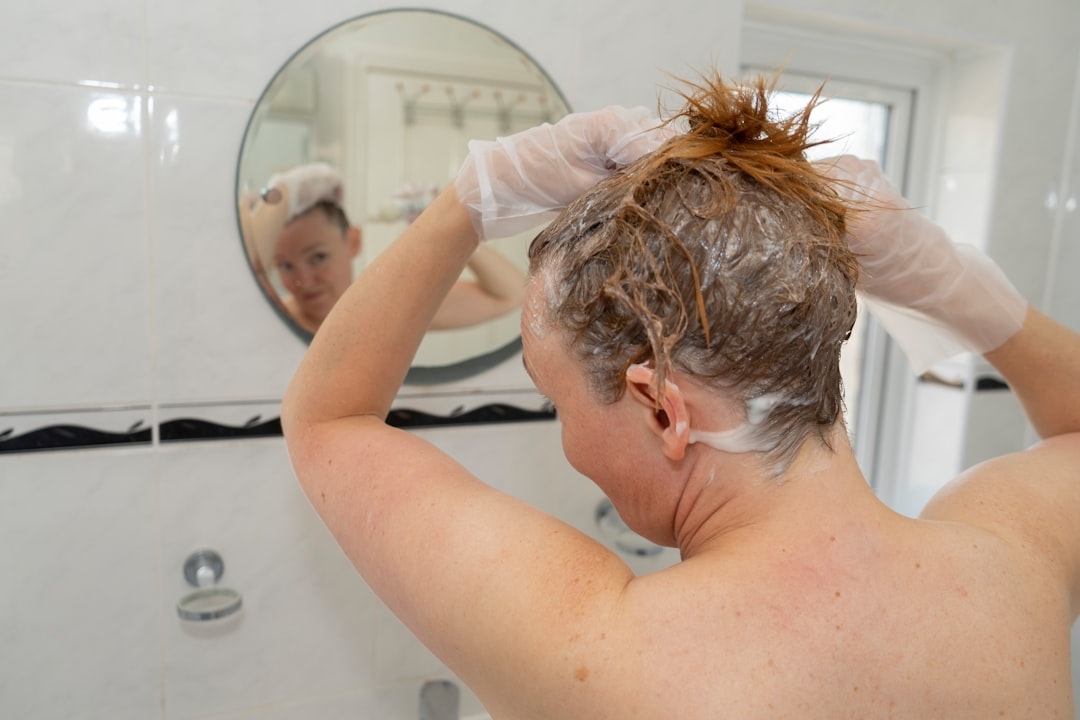
If you do choose home colour, apply to roots only, never to the mid-lengths and ends of previously coloured hair. Use a processing time of 25-30 minutes maximum. Always do a patch test 48 hours before applying.
Option 3: Semi-Permanent and Demi-Permanent Dyes
These options sit between temporary and permanent. They deposit colour onto the hair shaft without lifting (lightening) existing pigment, so they work best on lighter hair with grey mixed in. Coverage lasts 4-6 weeks with 6-12 washes.
Professional Semi-Permanent Colour
Salons offer semi-permanent colour for £40-£70. This approach works well for people wanting to experiment without permanent commitment. The colour gradually fades naturally, so roots become less obvious than with permanent dye.
Home Semi-Permanent Options
Drugstore semi-permanent colours cost £6-£12. Popular UK brands include Schwarzkopf and Garnier. Application is simpler than permanent dyes—no mixing required, and processing takes 20-30 minutes. Results typically fade within 6-8 washes.

Semi-permanent dye works exceptionally well for enhancing natural colour or adding dimension. Someone with salt-and-pepper hair might use it to deepen the overall tone without creating harsh contrast.
Option 4: Temporary Solutions and Root Touch-Ups
For those who aren’t ready for commitment but want quick coverage, temporary solutions offer flexibility.
Root Touch-Up Sprays and Powders
These temporary products coat hair fibres and wash out with shampoo. They’re ideal for special events or bridging the gap between salon appointments.
- Root touch-up spray: £6-£12, lasts one shampoo
- Root concealer powder: £10-£18, lasts 3-5 days with light washing
- Tinted dry shampoo: £8-£15, adds volume and light coverage
Application takes 2-3 minutes. Spray products are simplest but can look slightly artificial in bright light. Powders blend more naturally but require careful application.
Hair Mascara and Colour Wands
These liquid products coat individual hair strands and last until the next shampoo. They cost £10-£20 and work well for covering small sections or touch-ups between appointments. Brands available at UK chemists include Dolce & Gabbana and Hairchalk products.
Cost Breakdown: Annual Investment for Grey Hair Management
Your ongoing costs depend heavily on chosen method:
- Full embracing: £35-£60/year (purple shampoo and deep conditioner only)
- Professional permanent colour (roots only): £270-£480/year
- Professional permanent colour (full head): £540-£960/year
- Home permanent colour: £96-£180/year (12 applications)
- Semi-permanent with professional application: £240-£420/year
- Semi-permanent home kits: £72-£144/year
- Temporary root touch-ups only: £60-£150/year
The embracing approach offers the lowest cost but requires styling precision. Professional colour provides best results and least maintenance between appointments but represents the highest ongoing investment.
Blending Options: The Middle Ground
Many people combine approaches. A common strategy involves:
- Professional colour every 8-10 weeks to maintain overall tone
- Root touch-up spray between appointments for special events
- Purple shampoo to extend colour vibrancy
This hybrid approach might cost £360-£480 annually for professional colour plus £40-£60 for temporary products, totalling £400-£540 per year.
Hair Health Considerations
Regardless of your chosen path, healthy hair is the foundation. Colour damage occurs when you over-process or use incorrect techniques. To protect hair health:
- Get professional colour every time if possible—they understand hair biology
- Use colour-safe shampoo and conditioner (usually £8-£15 per product)
- Deep condition weekly if coloured, fortnightly if natural grey
- Avoid heat styling when possible; if necessary, use a heat protectant spray (£8-£12)
- Trim every 6-8 weeks to remove damaged ends
FAQ: Common Questions About Grey Hair Management
How often do I need to touch up grey hair colour?
With permanent colour, most people need touch-ups every 6-8 weeks. Some can extend to 10 weeks with root blending techniques. Semi-permanent fades gradually over 4-6 weeks.
Is it better to embrace grey hair or colour it?
This is entirely personal. Embracing requires styling commitment and purple shampoo. Colouring requires regular salon visits. Neither is objectively “better”—choose based on your lifestyle and budget.
What to do with grey hair if I have very sensitive skin?
Semi-permanent and demi-permanent dyes are gentler. Professional colourists can use ammonia-free formulas. Temporary solutions like root sprays avoid chemicals entirely.
Can I go from permanent colour to embracing grey hair?
Yes. Plan for a 6-12 month transition with frequent trims every 4-6 weeks. This makes regrowth less noticeable and the transition more intentional-looking.
Does colouring grey hair damage it?
Permanent colour causes some structural changes, but modern formulas are gentler than older versions. Proper application and care minimize damage. Semi-permanent is lower-risk.
Moving Forward With Confidence
Your approach to what to do with grey hair should align with your values, budget, and lifestyle. Some people thrive on the routine of salon appointments and the confidence that comes with consistent colour. Others feel liberated by accepting and styling their silver. Many find a hybrid approach that blends both philosophies.
The beauty of 2026 is that you’re not locked into any single path. Start with one approach, and if it doesn’t suit your life, switch to another. Your hair will continue growing regardless, giving you ongoing opportunities to adjust your strategy. The key is making an intentional choice rather than defaulting to what you think you should do.


+ There are no comments
Add yours