






Contents:
- How Hair Gel Actually Works Chemically
- Gel Composition and Hold Mechanism
- Ways Hair Gel Can Stress Hair (Not Genetic Loss)
- Traction Alopecia From Tight Styling
- Protein Film Buildup and Scalp Health
- Alcohol-Induced Dryness
- Seasonal Patterns in Gel-Related Hair Concerns
- Addressing Your Hair Gel Concerns
- Hair Gel Won’t Cause Genetic Hair Loss
- Hair Gel Can Contribute to Temporary Shedding Through
- Personal Story: Anxiety-Driven Hair Loss
- Choosing Hair Gel Thoughtfully
- Gel Types by Hold Strength and Composition
- Gel Application Best Practices
- Frequently Asked Questions
- Does any specific gel cause more hair loss than others?
- Can I use hair gel if I’m already experiencing hair loss?
- How often should I wash to remove gel buildup?
- Is hair gel worse than hair wax for hair health?
- Can gel damage my hair permanently?
- Expert Perspective on Hair Gel Safety
- Making Your Decision
You’ve used the same hair gel for years without problems. Then your friend mentions they’ve heard hair gel causes baldness. Worry creeps in—is the hold you love actually damaging your hair? Or is this another beauty myth without scientific backing?
Hair gel doesn’t directly cause genetic hair loss (androgenetic alopecia). However, certain gels used incorrectly can damage existing hair and stress follicles in ways that contribute to temporary hair shedding. Understanding this distinction separates fact from fear.
How Hair Gel Actually Works Chemically
Gel Composition and Hold Mechanism
Hair gels typically contain:
- Polymers: Polyquaternium or carbomers that form flexible films around hair, creating hold
- Water: Primary solvent (40–70% of product)
- Glycerin: Humectant drawing moisture to hair
- Alcohol: Preservative and drying agent (causes drying if excessive)
- Fragrance and colour agents: Cosmetic purposes
These ingredients themselves don’t cause hair loss. Polymers are chemically inert and wash out completely. However, how you apply gel and how you use it daily determines whether damage occurs.
Ways Hair Gel Can Stress Hair (Not Genetic Loss)
Traction Alopecia From Tight Styling
If you use heavy gel to slick hair back tightly daily, repeated tension on roots causes traction alopecia—mechanical hair loss from tension, not genetic causes. This typically appears as receding hairline, thinning at temples, or bald patches where tension concentrates.
Traction alopecia is reversible if caught early (within 6 months of onset), but becomes permanent if the damaging tension continues for years. The gel itself isn’t culpable—the tight styling is. The same hair loss would occur without gel if you applied equal tension through rubber bands or braids.
Protein Film Buildup and Scalp Health
Heavy gels (particularly high-hold varieties) form polymer films that accumulate on scalp with repeated application. This buildup:
- Traps heat and moisture against scalp (creating dandruff-friendly environment)
- Prevents scalp oil from distributing along hair shaft
- Can cause temporary shedding if buildup becomes severe
This temporary shedding is not androgenetic alopecia (permanent genetic loss) but rather stress-induced telogen effluvium—temporary increased shedding that reverses when the stressor (gel buildup) is removed.
Alcohol-Induced Dryness
High-alcohol gels (distinguishable by their liquid consistency) can over-dry hair. Chronically dry hair becomes brittle and prone to breakage. This isn’t hair loss from the root but rather hair breaking off partway through. Over time, breakage makes hair appear thinner, but the underlying follicles remain healthy.
Seasonal Patterns in Gel-Related Hair Concerns
In winter (November–March), indoor heating dries scalp and hair. Using heavy gel during winter amplifies dryness effects. Spring and autumn see hormonal shifts triggering increased shedding naturally (telogen effluvium occurs seasonally regardless of gel use). Summer humidity can exacerbate buildup if you don’t wash thoroughly enough to remove gel residue.
Regional differences matter—in humid Scottish and northern English climates, gel buildup occurs more readily due to moisture trapping. Drier southern England experiences less buildup but greater dryness issues if you use alcohol-heavy gels.
Addressing Your Hair Gel Concerns
Hair Gel Won’t Cause Genetic Hair Loss
If you’re concerned about androgenetic alopecia (male or female pattern baldness), hair gel isn’t the culprit. This type of loss is genetic and triggered by hormonal sensitivity to DHT (dihydrotestosterone). Gel cannot cause this; only genetics and hormones can.
Hair Gel Can Contribute to Temporary Shedding Through
- Traction damage (if used for tight styling)
- Scalp buildup (if not washed out thoroughly daily)
- Excessive dryness (if high-alcohol gel used repeatedly)
- Stress to already-weakened follicles (if combined with poor scalp health)
All these issues are reversible by changing gel use patterns or gel selection.

Personal Story: Anxiety-Driven Hair Loss
Martin from London blamed his gel for hair loss. His hairline appeared to be receding noticeably. Investigation revealed he’d been applying gel tightly daily for 3 years, creating traction alopecia at his temples. He also experienced stress-related telogen effluvium (increased shedding during work stress). The gel wasn’t the sole culprit—combined traction plus stress created visible loss. Once Martin switched to loose styling with lighter gel and managed work stress, shedding normalised within 2–3 months. His receded hairline (from traction damage) remained, but further loss stopped.
This illustrates how gel, tension, and stress combine—blaming gel alone missed the larger picture.
Choosing Hair Gel Thoughtfully
Gel Types by Hold Strength and Composition
- Light hold gels: Low polymer concentration, water-based, minimal buildup risk. Examples: SheaMoisture Coconut & Hibiscus Curl Enhancing Smoothie (£5–£8). Best for daily use, won’t damage hair.
- Medium hold gels: Moderate polymer concentration, balanced water/alcohol ratio. Examples: Cantu Shea Butter Styling Gel (£4–£6). Suitable for most people, minimal risk if washed daily.
- Strong/extra-strong hold gels: High polymer concentration, often alcohol-heavy. Examples: Schwarzkopf BC Bonacure Styling Cream (£6–£9). Use sparingly, avoid daily use, ensure thorough daily washing.
Gel Application Best Practices
- Use minimum amount necessary: A pea-sized amount or smaller for most hairstyles. More product creates more buildup.
- Never apply gel to dry scalp: Apply only to damp hair after shampooing. Wet application reduces scalp contact.
- Avoid tight styling: Style hair loosely rather than pulling back severely. This prevents traction alopecia entirely.
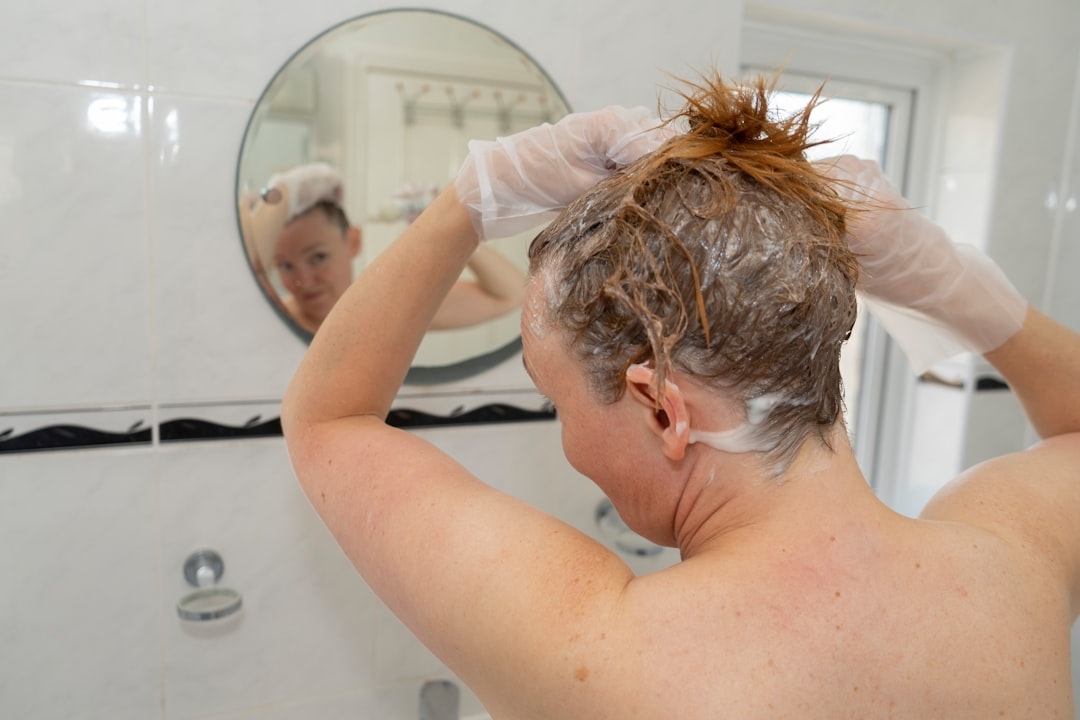
- Wash thoroughly daily: Gel requires complete removal daily. One wash cycle often insufficient—shampoo twice to remove all residue.
- Condition after gel: Counter gel’s drying effect with lightweight conditioner applied to mid-lengths and ends.
Frequently Asked Questions
Does any specific gel cause more hair loss than others?
Very strong-hold, high-alcohol gels carry higher risk of dryness and buildup issues. Gel formulated with protein or conditioning agents are gentler. Avoid extremely cheap gels (under £2) which often contain high alcohol without conditioning benefits. Mid-range gels (£4–£8) offer better safety profile.
Can I use hair gel if I’m already experiencing hair loss?
Yes, but choose light-hold, low-alcohol gels and avoid tight styling. If you have traction alopecia or stress-induced shedding, gel isn’t contraindicated—just use it carefully. Avoid heavy gels that increase scalp buildup stress on already-compromised follicles.
How often should I wash to remove gel buildup?
Daily washing is ideal if using gel daily. If that’s not feasible, at minimum wash 4–5 times weekly. Weekend-only gel use with daily shampooing prevents buildup entirely.
Is hair gel worse than hair wax for hair health?
Hair wax typically has lower alcohol content and causes less dryness, but creates more buildup. Both require thorough daily washing. Gel is generally preferable if dryness is your concern; wax if buildup is the issue. Personal experience varies—try both.
Can gel damage my hair permanently?
Gel itself doesn’t permanently damage hair. However, chronic mechanical tension from tight gel-styled hair can cause permanent traction alopecia if continued for years. The solution is looser styling, not eliminating gel entirely.
Expert Perspective on Hair Gel Safety
Trichologist Dr Marcus Williams from the UK Institute of Trichology states: “Hair gel doesn’t cause genetic hair loss. It absolutely doesn’t cause androgenetic alopecia. However, combining gel with tight daily styling creates mechanical stress that causes traction alopecia—that’s permanent if not addressed. Chronic gel buildup can trigger temporary telogen effluvium (stress-induced shedding), which reverses when you improve your routine. The key is using gel appropriately—minimal quantities, daily thorough washing, and avoiding tight styling.”
Making Your Decision
Hair gel won’t cause permanent genetic hair loss. However, misuse—chronic tight styling combined with gel application, or inadequate washing allowing severe buildup—can cause temporary shedding or permanent mechanical damage. If you have genetic hair loss risk, blame your genes and hormones, not your gel. If you’re experiencing new shedding and using heavy gel daily with tight styling, adjust your routine: switch to lighter gel, use minimal quantities, avoid tight styling, and wash thoroughly daily. Your shedding will likely improve within weeks once the mechanical and buildup stressors are removed. Enjoy your gel guilt-free—just use it thoughtfully.
+ There are no comments
Add yours