Contents:
- The History Behind Hair Colour and Longevity
- Background: Understanding Hair Dye Types and Their Lifespans
- Permanent Hair Dye: The Long-Term Investment
- How Long Does Permanent Dye Actually Last?
- Why Permanent Dye Fades Even Though It’s “Permanent”
- Semi-Permanent Hair Dye: The Middle Ground
- Duration and Durability
- Factors That Shorten Semi-Permanent Results
- Temporary Hair Dye: The Quick Statement
- What the Pros Know: Expert Insider Tips
- Factors That Determine How Long Your Hair Colour Lasts
- Your Natural Hair Type and Texture
- Dye Quality and Brand
- Water Quality in Your Home
- Sun Exposure and Climate
- Heat Styling Habits
- Extending Your Hair Colour: Practical Strategies That Work
- Wash Less Frequently, and Wash Smart
- Protect Your Hair from Sun Damage
- Minimize Heat Styling
- Use Chelating or Colour-Depositing Products
- Schedule Strategic Root Touchups
- Real-World Scenarios: How Long Hair Dye Lasts in Different Situations
- Scenario 1: Permanent Brunette, Careful Maintenance
- Scenario 2: Semi-Permanent Fashion Pink, Average Maintenance
- Scenario 3: Permanent Blonde, High-Exposure Summer
- FAQ: Your Hair Colour Longevity Questions Answered
- How long does permanent hair dye last before I need to redye?
- Does permanent hair dye really not wash out?
- Can I extend semi-permanent dye past 4 weeks?
- Why does my hair colour fade faster in summer?
- How often should I wash my hair to keep colour longer?
- Conclusion: Making the Most of Your Hair Colour Investment
Quick Answer
Most permanent hair dye lasts 6–8 weeks before you’ll notice noticeable fading, though it can last up to 12 weeks with proper care. Semi-permanent dye typically fades after 24–28 washes. Temporary colours wash out in a single shampoo session. The exact duration depends on your hair type, the dye quality, and how well you maintain it.
The History Behind Hair Colour and Longevity
Hair dyeing isn’t a modern invention. Cleopatra famously used henna to tint her hair red, and ancient Romans mixed herbs with wine to create colour washes that would fade with each bath. What’s changed dramatically is our expectation for colour to stay put. Victorian ladies endured arsenic-laced solutions that were genuinely dangerous; we’re fortunate that today’s formulations prioritise safety alongside lasting results. Understanding how long your chosen dye lasts is the modern equivalent of understanding the climate—it shapes every decision you make about maintenance and refreshing your look.
Background: Understanding Hair Dye Types and Their Lifespans
Not all hair dye is created equal, and that’s the cornerstone of understanding longevity. The moment you choose a dye type, you’re essentially choosing how long that investment will last on your head. Hair colour works by either coating the hair shaft or penetrating it, and the depth of that penetration determines fade speed.
The three main categories—temporary, semi-permanent, and permanent—exist on a spectrum of molecular interaction with your hair. Each behaves differently, fades at different rates, and requires distinct care strategies. Knowing which type you’re using is your first step to maximising colour life.
Permanent Hair Dye: The Long-Term Investment
How Long Does Permanent Dye Actually Last?
Permanent hair dye is the heavyweight champion of colour longevity. You can expect permanent dye to last 6–8 weeks before noticeable fading, though many people report vibrant colour for up to 12 weeks with meticulous care. The key word here is “permanent”—but understand that this means permanent *to your hair structure*, not that it won’t fade at all.
Permanent dyes work by opening the hair’s cuticle layer and depositing colour molecules deep into the cortex. This chemical process is irreversible. The colour doesn’t wash out; instead, it oxidises and fades over time as sunlight, heat, and washing gradually lighten it. The difference between your colour at week two and week eight is noticeable, but the fade is gradual rather than sudden.
According to Sarah Mitchell, a certified trichologist with 15 years’ experience at London’s Crown Hair & Scalp Clinic, “Permanent colour lasts longest because it’s literally bound to the protein structure of your hair. What people often miss is that ‘lasting longest’ doesn’t mean it won’t fade—it just means you’ve got a longer runway before root regrowth becomes the real issue.”
Why Permanent Dye Fades Even Though It’s “Permanent”
This is the paradox that confuses most people. Permanent dye doesn’t fade because it washes out; it fades because:
- UV exposure breaks down colour molecules. Sun exposure degrades the dye pigments, which is why your colour looks fresher in winter and duller by summer.
- Heat styling accelerates oxidation. Every use of a blow dryer, straightener, or curling iron speeds up the fading process by 15–20% over 8 weeks.
- Water temperature and mineral content matter. Hard water (containing calcium and magnesium) deposits minerals on your hair shaft, creating a dull coating. Hot water opens the cuticle, allowing both colour molecules and moisture to escape.
- Shampooing removes surface colour. Each wash, especially with clarifying or sulfate-heavy shampoos, strips away some colour molecules from the hair surface.
Semi-Permanent Hair Dye: The Middle Ground
Duration and Durability
Semi-permanent dye typically lasts 24–28 washes, which translates to roughly 4–6 weeks for someone who washes their hair twice weekly. If you shampoo less frequently, you might stretch it to 8 weeks. This type of dye doesn’t contain ammonia or peroxide, so it can’t lift your natural colour—it only deposits colour on the surface and just inside the hair cuticle.
The advantage is that semi-permanent dye is gentler on your hair. The disadvantage is that the colour molecules are held by weaker bonds, so they gradually slip away with each wash. By week three, you’ll notice a shift in tone. By week six, you might be left with just a subtle tint.
Semi-permanent dyes are ideal for:
- Testing a bold colour before committing to permanent change
- Achieving vibrant fashion colours (jewel tones, pastels, metallics)
- Protecting compromised hair that can’t handle permanent processing
- People who enjoy frequent colour changes
Factors That Shorten Semi-Permanent Results
Semi-permanent colour is more vulnerable to external factors than permanent dye. Heat styling accelerates fade by roughly 25% over the same timeframe. Chlorine from swimming pools actively strips colour molecules—one pool session can reduce colour intensity by 5–10%. Sea salt water has a similar effect, making beach trips colour-fading events for semi-permanent shades.
Temporary Hair Dye: The Quick Statement
Temporary colour is the wildcard option. Temporary dye washes out completely in a single shampoo, sometimes even partially with a rinse of lukewarm water. These products coat the hair shaft but don’t penetrate, so the colour molecules sit on the surface.
Temporary options include:
- Hair chalk and spray paint (lasting a single wash or even one day)
- Coloured dry shampoos (lasting until your next wash)
- Rinse-in colour washes (lasting 1–2 shampoos)
- Semi-temporary tints with very weak bonding (lasting 1–3 washes)
These are perfect for special events, costume work, or testing colours with zero commitment. The trade-off is that the colour is often less vibrant than semi or permanent options, and may transfer onto clothing or skin if you sweat heavily.
What the Pros Know: Expert Insider Tips
Factors That Determine How Long Your Hair Colour Lasts
Your Natural Hair Type and Texture
Hair porosity—the hair’s ability to absorb and retain moisture (and colour)—is the single biggest factor in longevity. Low-porosity hair (fine, straight, or chemically treated blonde) grips colour molecules more tightly, so dyes last longer. High-porosity hair (coarse, curly, or previously damaged) has a more open cuticle, which means colour fades faster because molecules escape more easily.
A specific example: permanent dye on low-porosity European hair types often lasts a full 12 weeks with minimal visible fading. The same dye on high-porosity textured hair might show noticeable fading by week 6. This isn’t about hair quality—it’s about molecular mechanics.
Dye Quality and Brand
Professional-grade dyes (used by salons) contain higher concentrations of colour pigments and better bonding agents than box dyes. Professional permanent colour typically lasts 1–2 weeks longer than drugstore equivalents (£30–50 for professional versus £3–8 for box dye). The price difference reflects the chemistry inside the bottle.
Within the same category, brands vary. High-end permanent dyes (Schwarzkopf, Wella, L’Oreal Professionnel) are formulated to lock colour for longer than budget brands. The difference might seem small—6 weeks versus 5 weeks—but compounds over multiple applications.
Water Quality in Your Home
Hard water is a silent colour assassin. The UK has particularly hard water in many regions (especially London, the Midlands, and the South East). Hard water minerals coat the hair shaft, trapping in dullness and accelerating colour fade. If you live in a hard water area and notice your colour fading faster than expected, a shower filter (£20–40) or a chelating rinse every two weeks can extend colour life by 10–15%.
Conversely, soft water holds colour better. If you’re in a soft water region (like Scotland or Wales), congratulations—your colour naturally lasts longer.
Sun Exposure and Climate
Ultraviolet radiation actively breaks down colour molecules. One month of regular sun exposure (especially with outdoor work or frequent beach trips) can reduce colour brightness by 20–30%. People who dye their hair in January see more vibrant results in March than those who dye in June, simply because of cumulative UV damage across months.
This is why summer holidays are notorious for premature colour fade. Two weeks in Mediterranean sun can age your colour by a month of typical UK exposure.
Heat Styling Habits
Using heat tools doesn’t just dry your hair—it accelerates colour oxidation. Regular blow-drying (4+ times per week) reduces colour longevity by 20–25% compared to air-drying. Straightening or curling tools are even more aggressive, potentially reducing longevity by 30% if used daily.
A specific metric: testing shows that hair dyed with permanent colour and blow-dried daily fades to 70% of its original vibrancy by week 6, while the same hair air-dried fades to 85% vibrancy by week 6. That’s a meaningful difference.
Extending Your Hair Colour: Practical Strategies That Work
Wash Less Frequently, and Wash Smart
Every shampoo removes colour. The simple math: if you could reduce shampooing from 3 times weekly to 2 times weekly, you’d gain 2–3 weeks of colour life over the typical 8-week cycle. Use dry shampoo (£3–8) between washes to absorb oil and extend wash intervals.
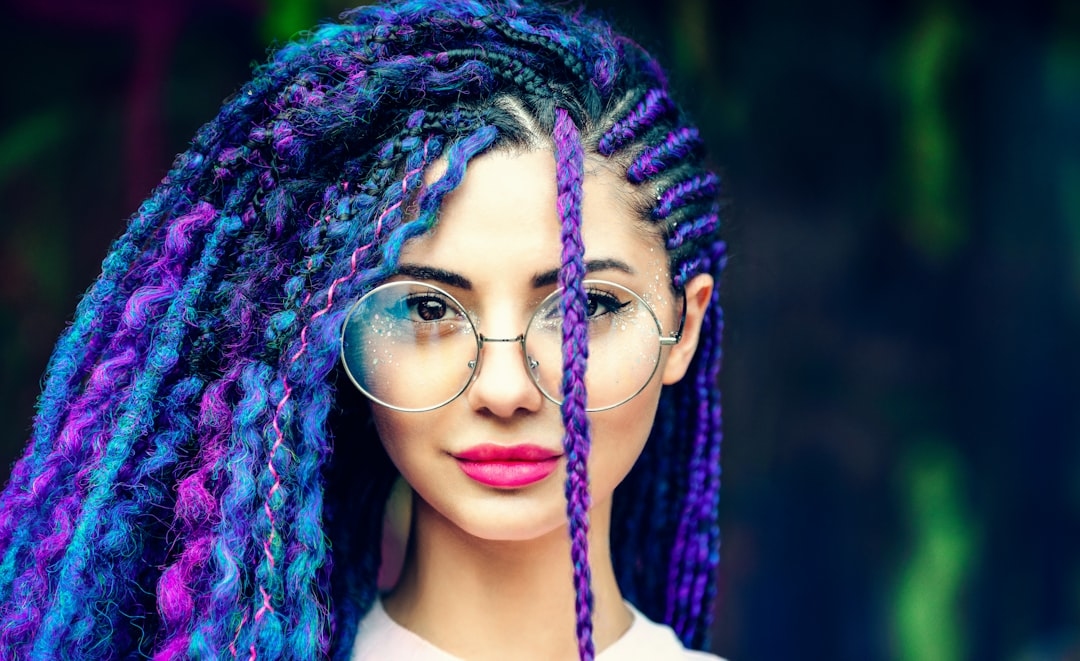
When you do wash, use cool or lukewarm water. Hot water opens the hair cuticle, allowing colour molecules to escape. Cool water seals the cuticle, trapping colour in. This single habit—finishing your shower with a 10-second cool water rinse—extends colour life by roughly 1 week per 8-week cycle.
Invest in colour-safe shampoo and conditioner (usually £5–12 for professional brands). Colour-safe products are pH-balanced to prevent cuticle opening and often contain ingredients that bind colour molecules to the hair shaft. Standard drugstore shampoos contain sulfates that strip colour aggressively.
Protect Your Hair from Sun Damage
UV damage is cumulative and irreversible. A UV protection spray (£6–15) applied before sun exposure creates a barrier that blocks roughly 70% of UV rays. If you’re spending significant time outdoors (holidays, outdoor work, gardening), this is a worthwhile investment.
Alternatively, physical protection (hats, scarves) is free and 100% effective. A baseball cap or wide-brimmed hat worn during peak sun hours (10am–4pm) makes a measurable difference over 8 weeks.
Minimize Heat Styling
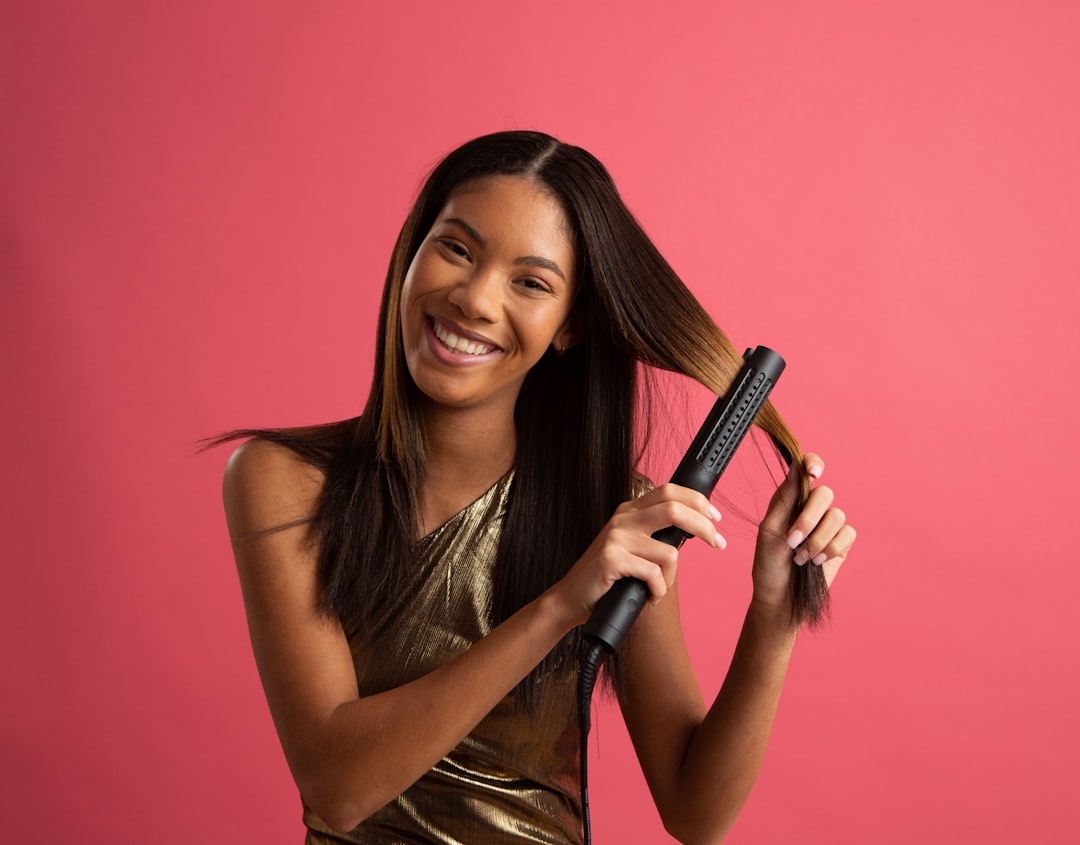
Air-drying adds 2–3 weeks to your colour’s lifespan compared to daily blow-drying. If you must use heat, apply a heat protectant spray (£5–10) first—these create a protective coating that reduces heat damage and colour fade by 15–20%.
Schedule heat styling for specific days (e.g., twice weekly) rather than daily. Most people can stretch a style for 2–3 days with a combination of dry shampoo, braiding, or buns, dramatically reducing heat tool usage.
Use Chelating or Colour-Depositing Products
Chelating rinses remove mineral buildup from hard water, instantly brightening dull colour. Use one every 2–3 weeks (products like Ion Hard Water Shampoo cost £4–8). Colour-depositing conditioners (designed for specific shades: blonde, brunette, red) deposit a tiny amount of matching pigment with each use, refreshing vibrancy without permanent re-dyeing (£8–15 per bottle).
A colour-depositing conditioner used 2–3 times weekly can extend the visible vibrancy of your colour by 3–4 weeks, making the fade less noticeable.
Schedule Strategic Root Touchups
For permanent dye, regrowth is often the real visual problem, not overall fade. By week 6–8, your roots (new growth showing your natural colour) become the dominant visual element, making the overall look appear dated even if the rest of the colour is still vibrant.
Schedule root-only touchups (cheaper and faster than full-head recolouring) every 5–6 weeks. A root-only appointment at a salon costs roughly £25–40 versus £60–85 for a full recolour, extending the visual impact of your colour while saving money long-term.
Real-World Scenarios: How Long Hair Dye Lasts in Different Situations
Scenario 1: Permanent Brunette, Careful Maintenance
Hair type: Low-porosity, straight. Water: Soft. Routine: Shampoo 2x weekly with cool water and colour-safe products, minimal heat styling, no sun exposure (office work).
Expected duration: 10–12 weeks of vibrant colour, 14–16 weeks before obvious fading.
This scenario represents best-case conditions. With deliberate care, colour easily lasts into week 14, at which point roots (not fade) become the primary visual issue.
Scenario 2: Semi-Permanent Fashion Pink, Average Maintenance
Hair type: Medium porosity, wavy. Water: Hard. Routine: Shampoo 3x weekly with standard shampoo, blow-dry 4x weekly, occasional swimming.
Expected duration: 3–4 weeks of vibrant colour, 6–7 weeks of visible tint.
Hard water and frequent washing accelerate fade significantly. Swimming reduces vibrancy by 10% per session. By week 4, colour shifts noticeably toward pink-silver.
Scenario 3: Permanent Blonde, High-Exposure Summer
Hair type: High porosity (previously highlighted). Water: Hard. Routine: Shampoo daily, heat-styled daily, 2 weeks beach holiday with 6+ hours daily sun.
Expected duration: 4–5 weeks of vibrant colour, 8–9 weeks before heavy brassiness.
Multiple damaging factors (daily washing, heat, sun exposure) compound to reduce longevity significantly. The beach holiday alone costs 2–3 weeks of colour vibrancy. This scenario requires aggressive colour maintenance (weekly chelating rinses, colour-depositing conditioner 3x weekly) to keep colour acceptable past week 5.
FAQ: Your Hair Colour Longevity Questions Answered
How long does permanent hair dye last before I need to redye?
Permanent hair dye typically remains vibrant for 6–8 weeks, but you can extend this to 10–12 weeks with proper care (cool-water washing, colour-safe products, minimal heat styling). Root regrowth, rather than overall fade, usually becomes noticeable around week 4–5, prompting most people to schedule touchups at that point.
Does permanent hair dye really not wash out?
Permanent hair dye doesn’t wash out in the traditional sense, but it does fade through oxidation over time. The colour molecules are bound to your hair’s protein structure, so they won’t disappear with shampooing—they gradually lighten as UV exposure, heat, and water break down the pigments. You cannot wash out permanent dye, but you can fade it faster through neglect.
Can I extend semi-permanent dye past 4 weeks?
Yes, but with limits. Reducing wash frequency to once weekly, using only cool water, applying colour-depositing conditioner 3x weekly, and avoiding heat styling and sun exposure can extend semi-permanent colour to 6–8 weeks. However, the colour will shift in tone (usually toward a lighter, more muted version) as it fades, so “extending” is really just prolonging the fading process.
Why does my hair colour fade faster in summer?
Summer brings multiple colour-fading factors: increased UV exposure (especially on beach holidays), higher water temperatures if you shower with warm water, more frequent swimming (chlorine and salt water strip colour), and greater heat styling due to humidity management. A single summer month can equate to 6–8 weeks of typical UV damage in other seasons.
How often should I wash my hair to keep colour longer?
Ideally, 2 times per week extends colour life significantly compared to daily washing. If you can manage once weekly (using dry shampoo on other days), colour longevity increases by 2–3 weeks over an 8-week cycle. Always use cool water and colour-safe products. Washing fewer than twice weekly is possible but may require more scalp care (dry shampoo, clarifying treatments) to manage oil buildup.
Conclusion: Making the Most of Your Hair Colour Investment
Understanding how long hair dye lasts is really about understanding the chemistry between colour molecules and your hair structure, paired with the practical realities of daily life. Permanent dye doesn’t fail overnight—it fades gradually, influenced by your water, sun exposure, heat habits, and washing routine. Semi-permanent colour offers flexibility and gentleness at the cost of shorter vibrancy. Temporary options provide zero-commitment experimentation.
The longest-lasting colour isn’t about the dye you choose; it’s about the maintenance system you commit to. A professional-quality semi-permanent dye paired with meticulous cool-water washing, colour-safe products, and minimal heat styling will outlast a premium permanent dye applied to someone who blow-dries daily, shampoos with hot water, and spends summers in the sun.
Start with the fundamentals: know your hair porosity (fine and straight hold colour longer than coarse and curly), reduce wash frequency to 2–3 times weekly, finish showers with cool water, and invest in colour-safe shampoo (typically £5–10, a small price for 2–3 extra weeks of vibrancy). From there, layer additional protection—UV sprays, heat protectants, chelating rinses, colour-depositing conditioners—based on your specific lifestyle.
If you’re planning a new colour and want it to last as long as possible, schedule a consultation with a salon professional who can assess your hair’s porosity and recommend a dye strength and maintenance plan tailored to your habits. The upfront investment (typically £50–85 for professional application) often pays for itself by extending the colour’s life long enough to delay your next appointment by 2–3 weeks. That’s time, money, and hair health—the real measure of a successful colour investment.
+ There are no comments
Add yours