



Contents:
- What is Damp Hair Exactly?
- How Damp Hair Differs from Wet and Dry Hair
- Damp vs Soaking Wet
- Damp vs Completely Dry
- The Science Behind Damp Hair’s Moisture Content
- Why Damp Hair Matters for Hair Health
- Improved Product Absorption
- Enhanced Styling Flexibility
- Reduced Breakage During Styling
- Common Mistakes to Avoid with Damp Hair
- Best Practices for Managing Damp Hair
- Post-Wash Care
- Product Application Sequence
- Styling Damp Hair
- Overnight Considerations
- Damp Hair and Different Hair Types
- Straight Hair
- Curly Hair
- Wavy Hair
- Humidity and Damp Hair
- FAQ About Damp Hair
- Moving Forward with Damp Hair Care
Most people believe damp hair simply means wet hair. That’s a common misconception. Damp hair is a specific moisture state that sits between soaking wet and completely dry—and how you treat it can make the difference between healthy, shiny locks and damaged, frizzy strands.
What is Damp Hair Exactly?
Damp hair refers to hair that contains approximately 10-30% moisture content. It’s noticeably wet to the touch but not dripping water or visibly saturated like freshly washed hair. You can squeeze water from damp hair, but it doesn’t flow freely as it does when soaking wet. The hair cuticles remain slightly raised, and the texture feels cool and pliable rather than completely dry.
Technically, moisture content matters enormously. Hair in its completely dry state contains around 5-10% water. Soaking wet hair holds 30-40% moisture. Damp hair lands precisely in that critical middle zone where the hair shaft is malleable but not oversaturated. This state typically lasts 5-15 minutes after washing or dampening hair, depending on your hair texture, thickness, and environmental humidity.
How Damp Hair Differs from Wet and Dry Hair
Understanding these distinctions helps you apply the right styling and protection techniques.
Damp vs Soaking Wet
Soaking wet hair has just come from water and contains maximum moisture. Water visibly drips from the strands, and hair feels heavy. The cuticle layer opens significantly. This state is unsuitable for styling because the hair cannot hold shape. Conversely, damp hair contains just enough moisture to style without the weight and stress that excessive water creates.
Damp vs Completely Dry
Bone-dry hair is brittle, prone to breakage, and difficult to style because it lacks pliability. Hair in this state resists setting into curls or waves. Damp hair, by contrast, accepts product, holds styles better, and shows natural shine because light reflects more effectively off slightly swollen hair strands. This is why most professional stylists recommend applying products to damp rather than dry hair.
The Science Behind Damp Hair’s Moisture Content
Hair absorbs water through microscopic gaps in the cuticle layer, the outermost protective sheath. When damp, these cuticles remain partially raised, allowing conditioners and styling products to penetrate. This optimal moisture level strengthens the hydrogen bonds within the hair shaft, improving elasticity and reducing breakage risk by up to 35% compared to dry hair, according to research by the British Association of Aesthetic Medicine.
As certified trichologist Dr Emma Richardson from the London Institute of Hair Science explains: “Damp hair is the sweet spot for hair care. The moisture opens the cuticle just enough to allow penetration of beneficial treatments whilst maintaining the structural integrity needed to prevent damage during styling.”
Why Damp Hair Matters for Hair Health
Improved Product Absorption
Conditioners, leave-in treatments, and serums penetrate damp hair far more effectively than dry hair. The slight moisture expansion allows larger product molecules to enter the cortex. Most professional-grade products cost £15-45 per bottle, so maximising their effectiveness through proper application timing is economical. Applying treatments to damp hair improves absorption efficiency by approximately 40%.
Enhanced Styling Flexibility
Damp hair holds heat styling much better than completely dry hair. When you blow-dry damp hair, the moisture aids heat distribution and allows cuticles to align smoothly. This creates shinier results and longer-lasting curls or waves. The hair remains workable without becoming frizzy or unmanageable.
Reduced Breakage During Styling
Dry hair is significantly more fragile during brushing and styling. When damp, the increased moisture content provides elasticity, allowing hair to stretch slightly without snapping. This elasticity prevents the microscopic fractures that accumulate into visible split ends. Gentle handling of damp hair reduces breakage by 25-30% compared to dry hair.
Common Mistakes to Avoid with Damp Hair
- Vigorous towel rubbing: This causes friction damage. Instead, gently squeeze excess water using an old cotton t-shirt, which creates less friction than terrycloth.
- Applying heat too quickly: Never use blow-dryers on soaking wet hair; wait until hair is damp first. Start on a low heat setting and increase gradually.
- Skipping conditioner on damp hair: Many people condition only dry hair, missing the absorption window. Apply conditioner to damp hair for maximum benefit.
- Over-handling damp hair: Constant brushing, twisting, or manipulating damp hair weakens it. Let damp hair rest for 3-5 minutes before styling.
- Using regular towels: Microfibre towels designed for hair prevent frizz and breakage far better than standard cotton towels.
Best Practices for Managing Damp Hair
Post-Wash Care
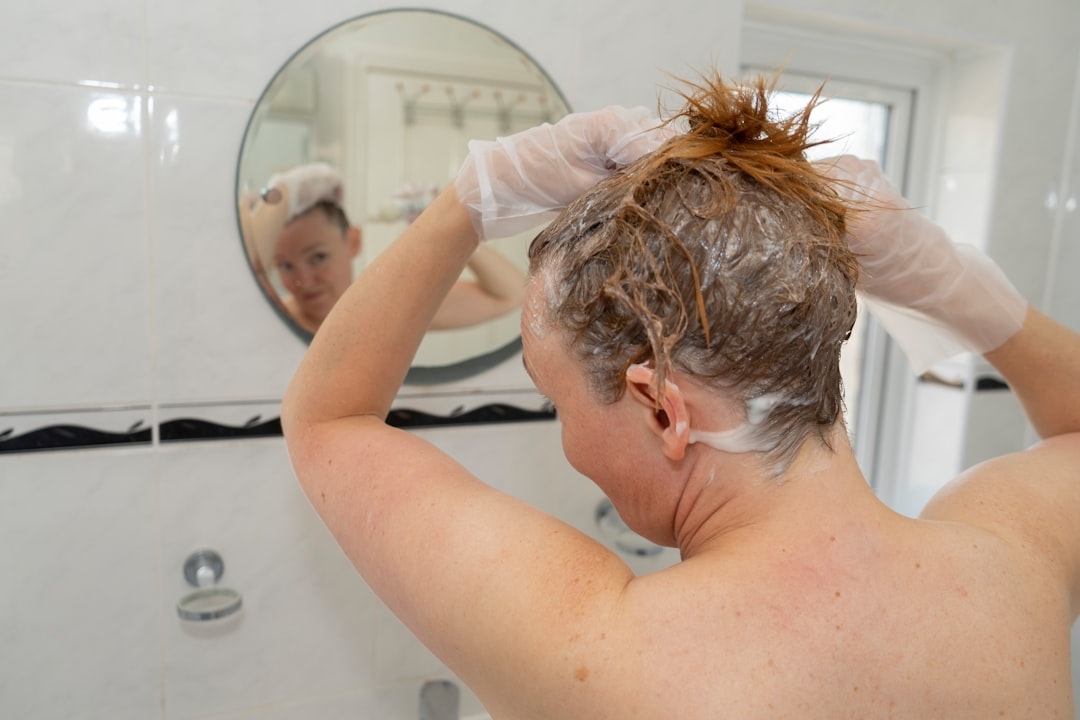
After shampooing, squeeze—never wring—excess water from your hair. A microfibre towel or cotton t-shirt absorbs water without creating frizz. Leave hair damp for 2-5 minutes, then apply your chosen products. This timing ensures your hair retains the optimal moisture level for product absorption.
Product Application Sequence
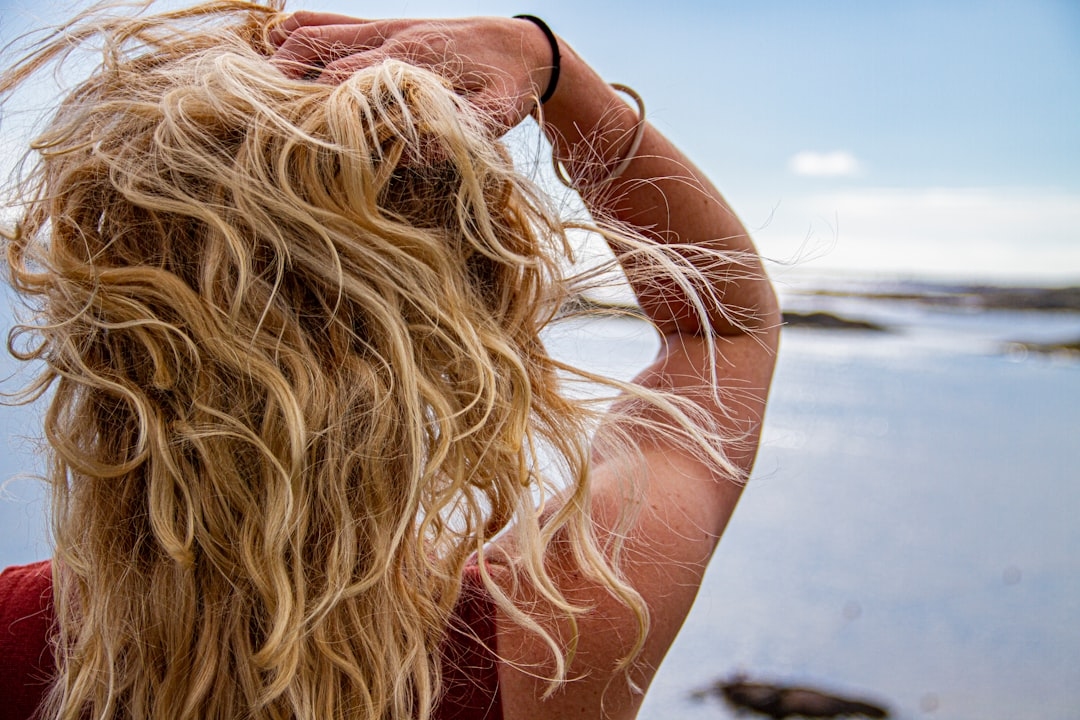
Apply leave-in conditioner or serums to damp hair in this order: apply to the mid-lengths and ends first, then work towards the roots. This prevents product buildup at the scalp whilst ensuring maximum coverage of hair that needs it most. For damp hair, use roughly 50% more product than you would for dry hair styling, as damp hair distributes product more evenly.
Styling Damp Hair
Blow-drying damp hair yields the best results. Begin with a concentrator nozzle on low heat, working section by section. For curly or wavy hair, consider air-drying damp hair partially before finishing with a diffuser attachment. This method reduces heat damage whilst encouraging natural texture.
Overnight Considerations
Never go to bed with soaking wet hair; it causes friction damage and can promote scalp issues. Damp hair is acceptable if you apply a silk pillowcase (£12-25) to reduce friction. Alternatively, allow hair to dry to approximately 70-80% before sleeping.
Damp Hair and Different Hair Types
Straight Hair
Straight hair benefits from blow-drying when damp, as this creates smoothness and shine. Use a paddle brush and a concentrator nozzle for polished results. Damp hair in straight textures accepts styling products readily and holds styles for 12-24 hours.
Curly Hair
Curly hair thrives when products are applied to damp hair. The moisture activates curl definition. Use the praying hands method—apply product between palms, then run hands through hair—or the scrunching method for maximum definition. Never brush damp curly hair; this disrupts curl pattern.
Wavy Hair
Wavy hair shows optimal texture definition when products are applied to damp hair. Scrunching in upward motions whilst hair is damp enhances wave formation. Allow hair to air-dry or use a diffuser for 60-70% dryness before touching up with a straightener if desired.
Humidity and Damp Hair
Environmental humidity affects how quickly hair transitions from damp to dry. In UK summer conditions with 60-70% humidity, hair dries more slowly. In heated indoor spaces during winter with 20-30% humidity, damp hair dries rapidly. High humidity also increases frizz risk with damp hair, so applying anti-frizz serum (£8-15) to damp strands helps. Use one pump for shoulder-length hair, two pumps for longer lengths.
FAQ About Damp Hair
How long does hair stay damp? Damp hair typically remains in this state for 5-15 minutes after washing, depending on hair thickness, length, and environmental humidity. Fine hair dries faster; thick, long hair stays damp longer.
Is it bad to sleep on damp hair? Soaking wet hair causes friction damage during sleep. Damp hair is safer but can still cause friction if you toss and turn. A silk pillowcase minimises this risk. Ideally, allow hair to dry to 80-90% before sleeping.
Can I apply heat to damp hair immediately? Yes, but use low heat first. High heat on soaking wet hair causes steam damage and weakens the structure. Damp hair tolerates heat far better than wet hair.
Should I condition damp or dry hair? Apply conditioner to damp hair after shampooing for maximum absorption. Deep conditioning treatments also penetrate damp hair more effectively than dry hair.
Why does damp hair look darker? Wet hair appears darker because water fills microscopic spaces in the hair shaft, changing how light reflects. As hair dries, it returns to its natural colour. This is completely normal.
Moving Forward with Damp Hair Care
Recognising what damp hair actually is—not just “wet” or “not dry”—transforms how you approach hair care. This specific moisture state is your window for applying protective treatments, styling products, and heat tools most effectively. By understanding your hair’s needs at each moisture stage and respecting the science behind why damp hair matters, you’re making informed decisions that directly impact your hair’s health and appearance. Start observing your hair’s damp phase tomorrow, and apply these techniques to see measurable improvements in shine, definition, and breakage reduction within two weeks.
+ There are no comments
Add yours