



Contents:
- Over 60% of People With Black Hair Try Lightening It—Here’s Why
- Understanding Black Hair and Colour Levels
- Non-Damaging Temporary Methods to Lighten Black Hair
- Highlights and Partial Lightening as a Testing Ground
- Semi-Permanent and Demi-Permanent Colour
- Lightening Sprays and Temporary Shampoos
- Chemical Lightening: Permanent Methods to Lighten Black Hair
- Single-Process Permanent Colour (Lightening)
- Bleaching (Lifting) for Significant Lightening
- The Bleach and Tone Process
- Step-by-Step at-Home Bleaching for Black Hair
- Preparation and Safety
- Section and Protect
- Mixing and Applying Bleach
- Processing and Monitoring
- Rinsing and Toning
- Damage Assessment and Damage Prevention Strategies
- How Much Damage Does Bleaching Cause?
- Minimising Damage During Lightening
- Comparing Bleaching vs. Highlights vs. Semi-Permanent Colour
- Common Mistakes to Avoid When Lightening Black Hair
- Cost Breakdown: Methods and Timeline
- Professional vs. At-Home Lightening: When to Choose Each
- Choose Professional Services If:
- At-Home Lightening Works If:
- Realistic Expectations and Timeline
- FAQ Section
- Can you lighten black hair without bleach?
- How many times can you bleach black hair?
- What’s the lightest shade black hair can reach?
- Does lightening black hair damage it permanently?
- What’s the best way to lighten black hair at home?
- Start Your Black Hair Lightening Journey With Confidence
Over 60% of People With Black Hair Try Lightening It—Here’s Why
Black hair represents a dominant global hair type, yet many people with black hair actively seek ways to lighten it. Statistics from the UK beauty industry in 2026 show that approximately 62% of people with naturally black hair have experimented with lightening at some point—whether through highlights, balayage, full colour changes, or temporary methods. The reasons vary: some want subtle dimension, others chase dramatic transformation, and many are simply curious what they’d look like as a lighter shade. Lightening black hair requires specific knowledge because black is the darkest natural hair colour, sitting at levels 1-2 on the hair colour scale. To achieve noticeable lightening, you’re working against significant pigment depth. This guide reveals every method for how to lighten black hair, from temporary options to permanent chemical lightening, with honest assessments of damage risk, costs, and realistic outcomes.
Understanding Black Hair and Colour Levels
Hair colour science uses a standardised scale from 1 (black) to 10 (palest blonde). Most people with naturally black hair are level 1 or 2. To move from black to any appreciable lighter shade—say, dark brown (level 4) or lighter—you need to lift roughly 2-3 levels minimum. The lightness of your target shade determines how much lifting is required. Moving from black to medium brown requires moderate lightening. Moving from black to platinum blonde requires significant lightening, typically only achievable through bleaching and often requiring multiple sessions. Understanding this scale helps set realistic expectations before you start.
Non-Damaging Temporary Methods to Lighten Black Hair
Highlights and Partial Lightening as a Testing Ground
If you’re uncertain about committing to full lightening, highlights offer a low-risk introduction. Highlights remove colour from select strands, creating dimension and brightness without affecting the entire head. A typical highlight application adds 2-3 lighter shades to specific sections. Professional highlights in a UK salon cost £40-80 for partial highlights (around the face) or £80-150 for full head highlights. At-home highlights are possible but riskier because uneven application is common. If you’re new to lightening black hair, a professional partial highlight (around the face and top layers) at £50-80 gives you a realistic preview of what you’d look like lighter without full-head commitment or damage.
Balayage (hand-painted highlights) costs £60-120 professionally but creates more natural-looking, blended results than traditional highlights. Semi-permanent colour (see below) can enhance highlights or create a temporary full-head lightening effect that washes out over 8-12 weeks, perfect for testing a new look.
Semi-Permanent and Demi-Permanent Colour
These products contain no ammonia or minimal ammonia and don’t lift natural pigment. Instead, they deposit colour molecules that coat the hair. On black hair, semi-permanents often don’t show much lightening—the colour deposits on black, creating darker shades of whatever colour you choose. However, some brands formulate semi-permanents with higher proportions of reflective pigments that create shine and visual lightness on black hair. Colours like “Midnight Plum,” “Deep Auburn,” or “Blackened Blue” add dimensional interest without true lightening.
A specific exception: demi-permanent colours with lifting properties do lighten black hair slightly (usually 1-2 levels) whilst simultaneously depositing colour. Products like Schwarzkopf Gliss Color (£6-8) lift and tone simultaneously. They’re less damaging than permanent colour and last 24 shampoos versus permanent’s 6-8 weeks before fading noticeably. For black hair, expect demi-permanents to shift tone (making it appear warmer or cooler) more dramatically than they lighten it.
Lightening Sprays and Temporary Shampoos
Brands like Batiste Dry Shampoo and similar texturising sprays contain light-coloured pigments that temporarily coat the hair, making it appear lighter and adding texture. These wash out with the next shampoo. Cost is £2-5 per product, and the effect is subtle—you’ll appear 0.5-1 shade lighter at most. They’re useful for adding dimension to black hair for a specific event without any damage risk. They also add grip to the hair, helping curls hold better.
Chemical Lightening: Permanent Methods to Lighten Black Hair
Single-Process Permanent Colour (Lightening)
Single-process permanent colour (also called permanent dye) can lighten black hair by 1-2 levels when you choose a lighter shade. A level 3 or 4 permanent dye applied to level 1-2 black hair doesn’t truly “lift” pigment through bleaching; it deposits new colour that’s lighter. The result appears lighter but not dramatically so. Many people find single-process lightening disappointing on black hair because the results are subtle—the hair looks like a very dark brown rather than noticeably lighter. Cost is £6-12 per box at UK supermarkets and chemists. The advantage is minimal damage compared to bleaching. The disadvantage is minimal visible lightening.
Bleaching (Lifting) for Significant Lightening
True lightening of black hair requires bleach. Bleach uses hydrogen peroxide to strip melanin (colour pigment) from the hair, lifting it to progressively lighter levels. A 20-volume developer (standard strength) lifts hair about 1-2 levels per application. A 30-volume developer lifts 2-3 levels but causes more damage. A 40-volume developer lifts 3-4 levels but risks severe damage and breakage. Most people lightening black hair for the first time use 20-volume developer and expect 1-2 levels of lift per session, requiring multiple sessions to reach lighter shades.
Bleach cost varies: powder bleach (£4-8 per packet, requires separate developer) or pre-mixed bleach (£8-15 per bottle). Developer costs £3-6 per bottle depending on volume strength. Professional bleaching at a salon costs £60-120 for a single session. For black hair moving to medium brown (3-4 levels), expect 2-3 professional sessions spaced 4-6 weeks apart, totalling £180-360. DIY bleaching costs £20-40 total but requires careful technique and carries higher failure risk.
The Bleach and Tone Process
When bleaching black hair, you’re not creating lighter black—you’re creating a pale yellow or brassy base. After bleaching, you must apply toner (a semi-permanent colour that deposits cooler pigments) to neutralise this brassiness. Without toning, freshly bleached black hair looks orange-yellow rather than the intended lighter shade. Quality toners cost £5-12 and are essential. Professional stylists include toning in their service; DIY requires purchasing toner separately. Most people need toner every 2-4 weeks to maintain colour as it fades, adding ongoing costs beyond the initial bleaching.
Step-by-Step at-Home Bleaching for Black Hair
Preparation and Safety
Bleaching is caustic. Wear gloves (always included in kits) and old clothes. Work in a well-ventilated area—open windows even in winter. Never mix bleach with anything other than the included developer. Do a patch test 48 hours before: mix a small amount, apply behind your ear, and wait 48 hours. If you develop redness, swelling, or burning, do not proceed. Approximately 1-2% of people have allergic reactions to bleach components; a patch test identifies this before full application.
Section and Protect
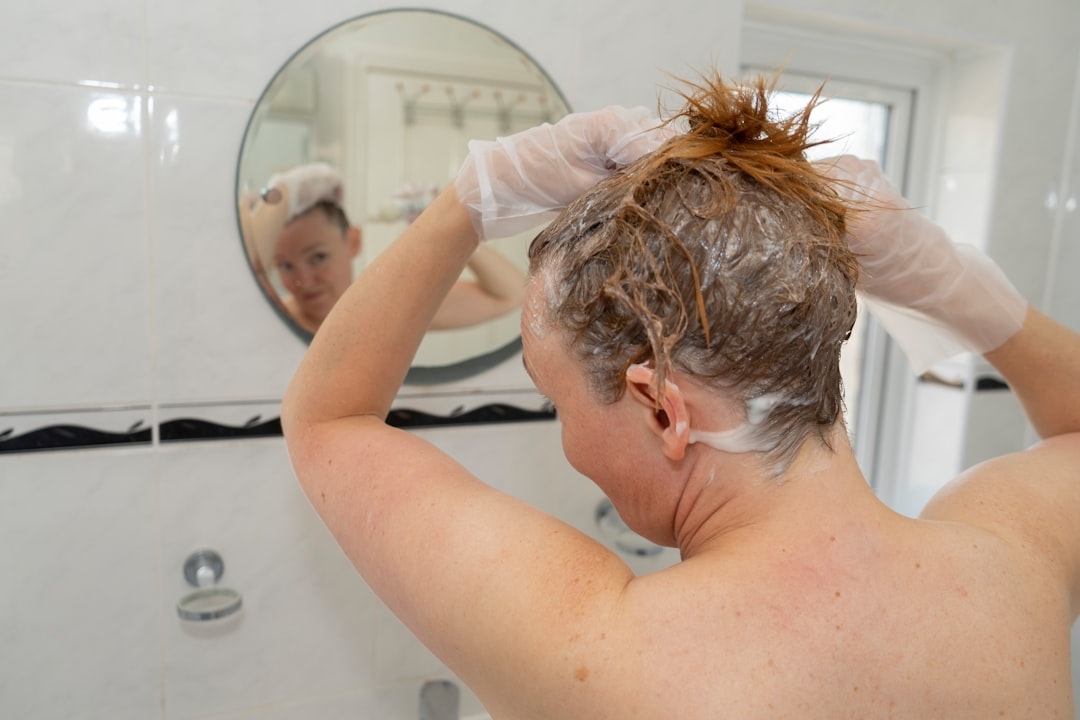
Divide hair into 4-6 sections using clips. Apply petroleum jelly or barrier cream around your hairline, ears, and neck to prevent staining. This is critical—bleach is permanent on skin. Work in a bathroom with a mirror and good lighting. Have paper towels and old towels ready.
Mixing and Applying Bleach
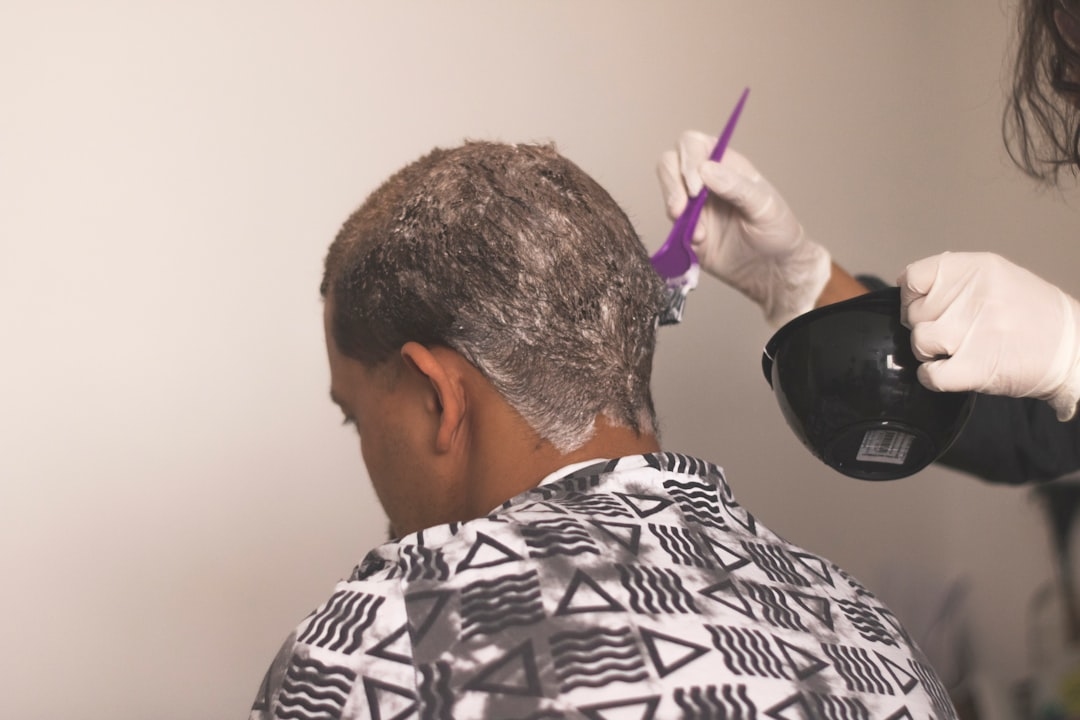
Mix bleach and developer in a plastic (never metal) bowl, following the exact ratio on the package. Using a plastic applicator brush, apply bleach to roots first (where hair is thickest and processes most slowly), working methodically through all roots. After completing all roots, apply bleach to mid-lengths and ends, being generous with coverage. Ensure every strand is saturated. The entire application should take 10-15 minutes.
Processing and Monitoring
Set a timer. Processing time typically ranges from 20-45 minutes depending on your hair thickness and the developer volume. Check progress at 20 minutes by wiping a small section with a paper towel to see the lightened colour. If it’s still very dark, processing continues. Stop at the first sign of the desired lightness—don’t wait the full time if you reach your target earlier. Over-processing wastes time and damages hair unnecessarily. Most first-time bleachers reach appropriate lightness around 30-35 minutes.
Rinsing and Toning
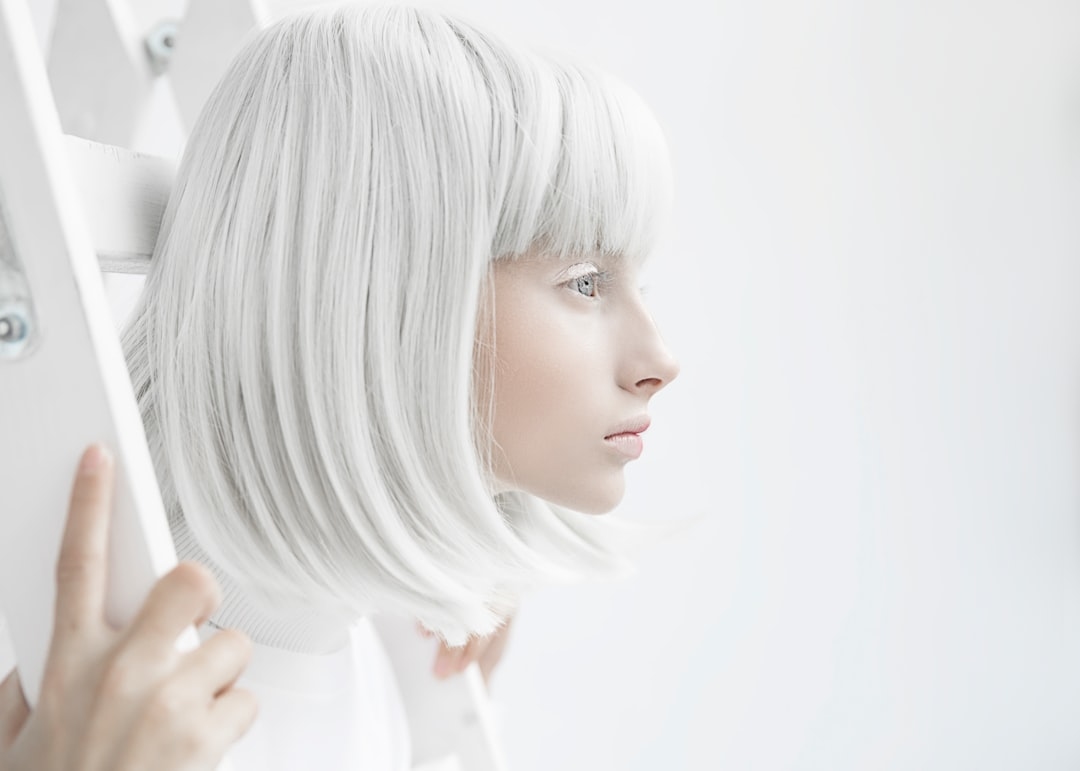
Rinse thoroughly with cool (not hot) water until water runs clear. Use the conditioner included in most bleach kits or apply a deep conditioner. Towel-dry gently. Mix and apply toner per instructions (usually 15-20 minute processing time). Rinse again with cool water. Condition thoroughly. Allow hair to air-dry to assess the final colour. The result is lighter, but how much lighter depends on your hair type, bleach volume, and processing time. Expect black hair bleached once to reach dark brown (level 3-4) at best. Reaching medium brown (level 5) or lighter requires multiple sessions.
Damage Assessment and Damage Prevention Strategies
How Much Damage Does Bleaching Cause?
Bleaching chemically alters hair structure. It’s not as damaging as permanent straightening or multiple chemical treatments combined, but it’s more damaging than permanent dyeing without lifting. After a single bleaching, most people notice: hair feels slightly rougher, tangles more easily, and dries faster. Most of this is reversible through intensive conditioning. After two to three bleachings spaced appropriately (4-6 weeks apart), some people notice: increased breakage, split ends, and reduced elasticity. This is less reversible. After four or more bleachings, hair damage becomes cumulative and noticeable without intervention.
Minimising Damage During Lightening
- Use the lowest effective developer volume: 20-volume is safer than 30 or 40-volume. Longer processing time with lower volume causes less damage than shorter processing with higher volume.
- Condition intensively before bleaching: Deep condition for 20 minutes 2-3 times the week before bleaching. This strengthens hair and provides a moisture buffer.
- Space sessions appropriately: Never bleach twice in one month. Space sessions 6-8 weeks apart if possible, allowing hair to recover.
- Trim regularly: Get a 0.5-inch trim every 4 weeks after bleaching to remove cumulative damage from ends.
- Use bond-building treatments: Products like Olaplex (£20-40 per treatment, available at salons) chemically repair hair bonds damaged by bleach. Apply weekly for the first month after bleaching.
- Avoid heat styling: Air-dry hair whenever possible for the first week after bleaching. Use heat protectant spray if you must blow-dry.
- Sleep on silk or satin: Cotton pillowcases cause friction and breakage. Silk pillowcases (£8-20) reduce this by 40% according to a 2024 dermatology study.
Comparing Bleaching vs. Highlights vs. Semi-Permanent Colour
Three main approaches exist for lightening black hair. Bleaching (full-head lightening) causes the most visible change but the most damage. It costs £20-40 at home or £60-120 professionally. Results are dramatic but require commitment to maintenance (toning every 2-4 weeks). Highlights create partial lightening, limiting damage to select strands while adding dimension. Professional highlights cost £80-150 and are low-commitment (you can let them grow out). Semi-permanent colour adds tone without lightening but is gentler and lower-cost (£6-12). The best choice depends on your goal: dramatic change (bleaching), testing the look (highlights or semi-permanent), or subtle dimension (highlights). Most people testing black hair lightening start with professional highlights to assess the effect before committing to bleaching.
Common Mistakes to Avoid When Lightening Black Hair
- Expecting drastic change from single-process permanent colour: Single-process creates subtle lightening only. Expect black to shift to very dark brown, not to medium brown.
- Skipping the patch test: Allergic reactions are rare but serious. Always patch test 48 hours before full application.
- Using 40-volume developer on first bleach: This is overkill for most people. Start with 20-volume and process longer if needed.
- Not conditioning before bleaching: Pre-bleach conditioning reduces damage by up to 30%. Don’t skip this step.
- Mixing bleach with other products: Never add anything to bleach except the included developer. Some products create toxic combinations.
- Bleaching damaged or previously coloured hair: Hair that’s already compromised breaks easily when bleached. If you’ve had multiple colour treatments, see a professional for assessment before bleaching.
- Expecting one bleach session to reach blonde: Black hair requires 2-3 bleach sessions minimum to reach medium blonde. Some people need 4-5 sessions to reach pale blonde.
- Neglecting toning: Toning isn’t optional—it’s essential to achieve the colour you want. Without it, you’re working with orange-brassy hair.
- Over-processing: Processing longer than necessary doesn’t create lighter results—it just damages hair more. Stop at your target lightness.
- Ignoring maintenance: Bleached hair requires weekly deep conditioning and regular trimming. Budget for these ongoing costs.
Cost Breakdown: Methods and Timeline
Let’s compare realistic costs for different approaches to lighten black hair:
- At-home single-process lightening: £6-12 per box. Minimal visible lightening but minimal damage. One-time cost. One application takes 45 minutes.
- At-home bleaching to medium brown: Bleach (£8-15) + toner (£8-12) × 2 sessions = £32-54 total. Takes 60-90 minutes per session. Requires 6-8 weeks between sessions.
- Professional highlights (partial): £50-80 per session, lasting until you want a refresh (4-8 weeks). Annual cost if done quarterly: £200-320.
- Professional bleaching to medium brown: £60-120 per session × 2-3 sessions = £120-360 total. Professional toning included. Spaced 6-8 weeks apart, takes 12-24 weeks total.
- Maintenance (ongoing): Toning every 3-4 weeks at home (£8-12 per session) or professionally (£25-40). Deep conditioning masks weekly (£4-10 per week for quality products). Professional trims every 4-6 weeks (£15-25).
Most people lightening black hair for the first time spend £150-300 on the initial process (whether professional or DIY), then £30-50 monthly on maintenance.
Professional vs. At-Home Lightening: When to Choose Each
Choose Professional Services If:
- You’re lightening black hair for the first time and want low failure risk.
- Your hair is previously coloured, damaged, or compromised.
- You want to reach a colour lighter than dark brown (levels 5+).
- You’re anxious about the process.
- You can afford the cost (£60-150 per session).
At-Home Lightening Works If:
- Your hair is healthy and undamaged.
- You’re aiming for modest lightening (black to dark brown).
- You’re comfortable with chemistry and following instructions precisely.
- You’re willing to research thoroughly and potentially redo a section if it fails.
- You want to save £40-100 per session.
Realistic Expectations and Timeline
Lightening black hair is a process, not a single event. Most people need 4-12 weeks to reach their target shade, requiring 1-3 sessions spaced weeks apart. During this time, you’ll be managing roots, toning regularly, and conditioning intensively. The final colour depends on your natural hair’s underlying pigment. Some people’s black hair has warm (reddish-golden) undertones, making it easier to lighten to warm browns and coppers. Others have cool undertones, reaching cool greys and ashy browns more easily. Neither is better—it’s about matching the result to your skin tone. Expect that professional results will surpass DIY results, but well-executed at-home lightening is respectable. Set a realistic timeline: if you want a dramatic change, plan for 2-3 months minimum. If you want subtle dimension, that’s achievable in one month with highlights.
FAQ Section
Can you lighten black hair without bleach?
Single-process permanent colour creates minimal lightening without bleach (roughly 1 shade lighter). For substantial lightening visible as a colour change, bleach is required. Highlights or semi-permanent colour offer alternatives if you want subtle lightening or testing rather than commitment.
How many times can you bleach black hair?
You can bleach hair repeatedly as long as it remains in acceptable condition. Practically, most people bleach 2-4 times to reach their target shade, then maintain with toning. Some people continue bleaching monthly for progressive lightening. The key is spacing sessions 6-8 weeks apart and conditioning intensively.
What’s the lightest shade black hair can reach?
Black hair can reach any shade from light brown to platinum blonde with enough bleaching sessions. However, most people reach a natural-looking medium blonde after 3-4 sessions. Reaching pale platinum typically requires 5-6 sessions. Each session lifts 1-3 levels depending on developer strength and processing time.
Does lightening black hair damage it permanently?
Lightening causes damage that’s partially reversible through conditioning but not entirely reversible. A single bleaching session causes temporary roughness that improves with intensive conditioning. Multiple sessions (4+) cause cumulative damage: some breakage and elasticity loss persists. With proper aftercare, most people maintain healthy-looking hair despite bleaching.
What’s the best way to lighten black hair at home?
Use 20-volume developer with quality bleach (brands like Wella or Schwarzkopf cost £6-10). Section hair into 6 sections. Apply roots first, then mid-lengths and ends. Process for 30-40 minutes. Rinse, condition, and tone. Condition intensively afterward. Space sessions 6-8 weeks apart. Follow toning and maintenance protocols religiously.
Start Your Black Hair Lightening Journey With Confidence
Learning how to lighten black hair requires understanding your options, realistic expectations, and commitment to maintenance. Whether you choose professional services or at-home methods, the foundation remains: proper conditioning before and after, appropriate product selection, and spacing sessions to allow recovery. In 2026, lightening techniques are safer and more accessible than ever. Start conservatively—highlights or a single professional bleaching session—to assess the effect before committing to full-head bleaching. Many people find that subtle lightening creates more flattering results than dramatic change. Whatever path you choose, your black hair can be lightened to create the look you want. The process takes time and care, but the results are worth the effort.

+ There are no comments
Add yours