








Contents:
- What Causes Flat, Lifeless Hair?
- How to Add Volume to Hair: The Foundation Routine
- Step 1: Choose the Right Shampoo
- Step 2: Condition Strategically
- Step 3: Apply a Root Lift Product
- Drying Technique: The Game-Changer
- Don’t Blow-Dry Straight Down
- Use the Right Tools
- Section and Target
- Styling Methods That Create Lasting Volume
- Volumising Mousse at the Roots
- Blow-Dry with a Round Brush
- Volumising Spray or Texture Spray
- Hair Crimping for Texture
- Volume vs. Smoothing: Understanding the Trade-off
- Product Recommendations by Hair Type
- Fine, Straight Hair
- Fine, Wavy or Curly Hair
- Thick Hair with Low Density
- Hair Prone to Flatness After Styling
- Daily Maintenance Tricks
- Dry Shampoo as a Volume Tool
- Strategic Backcombing
- Clip-In Hair Extensions or Volumisers
- Scalp Massage
- Quick Volume Fixes for Emergencies
- Prevention: Avoiding Volume Loss
- FAQs: Your Volume Questions Answered
- How long does volume typically last after styling?
- Can you permanently add volume to fine hair?
- What’s the difference between volumising mousse and volumising spray?
- Does protein treatment help with volume?
- Can diet affect hair volume?
- Your Volume Journey Starts Today
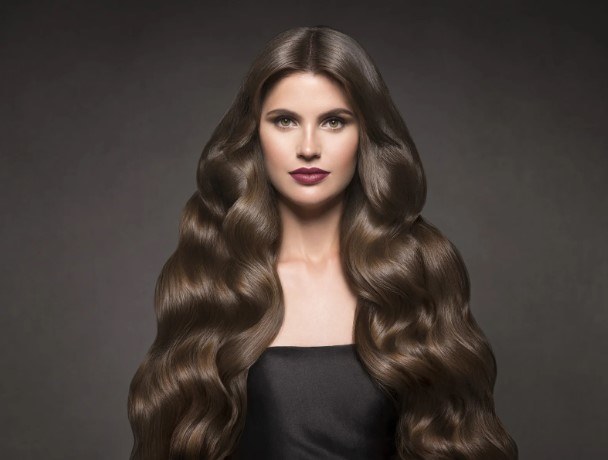
Around 50% of people with fine or thin hair struggle with flatness at the roots, yet most solutions they try don’t deliver lasting results. The difference between limp, lifeless locks and gorgeous bouncy waves often comes down to technique, not genetics. Your hair’s potential for volume might be locked away simply because you haven’t discovered the right approach.
Adding volume to hair isn’t about expensive treatments or endless product layers. It’s about understanding your hair type, applying proven styling methods, and using targeted products that actually support your structure rather than weigh it down. Whether you’re dealing with naturally flat hair, hair that loses bounce throughout the day, or just want more dramatic lift, this guide covers everything you need to create lasting, noticeable volume.
What Causes Flat, Lifeless Hair?
Before tackling solutions, you need to understand why your hair lacks volume. Most people blame their hair type, but the real culprits are usually preventable.
Fine hair has a smaller diameter, which means each strand has less surface area to catch light and less natural structure to hold a shape. When multiple fine hairs flatten against your scalp, light travels straight through rather than scattering, creating that dreaded limp appearance. Thin density—fewer total hairs on your head—compounds this problem. You might have perfectly healthy hair, but simply not enough strands to create visible fullness.
Product buildup ranks as one of the top reasons for volume loss. Conditioner residue, silicones in styling products, and mineral deposits from hard water all create a coating that weighs strands down and prevents them from standing upright. This happens gradually, so many people don’t realise they’re sabotaging their own volume until they switch to a cleansing routine that actually removes buildup.
Humidity levels affect hair structure too. Moisture penetrates the hair shaft and forces cuticles to swell, making hair appear thicker temporarily but also disrupting any styling you’ve done. This is why your volume might look perfect at home but flatten within an hour on a damp day.
How to Add Volume to Hair: The Foundation Routine
Creating volume starts in the shower, not with a curling iron. Your foundational routine determines whether volume sticks around or dissolves by midday.
Step 1: Choose the Right Shampoo
Volumising shampoos aren’t marketing gimmicks—they’re formulated with lighter surfactants that cleanse without depositing heavy residues. Look for formulas containing polymer bases or polymers like polyquaternium-11, which create a fine texture without buildup. British haircare brands like Olaplex and Kérastase offer excellent volumising options in the £25-35 range.
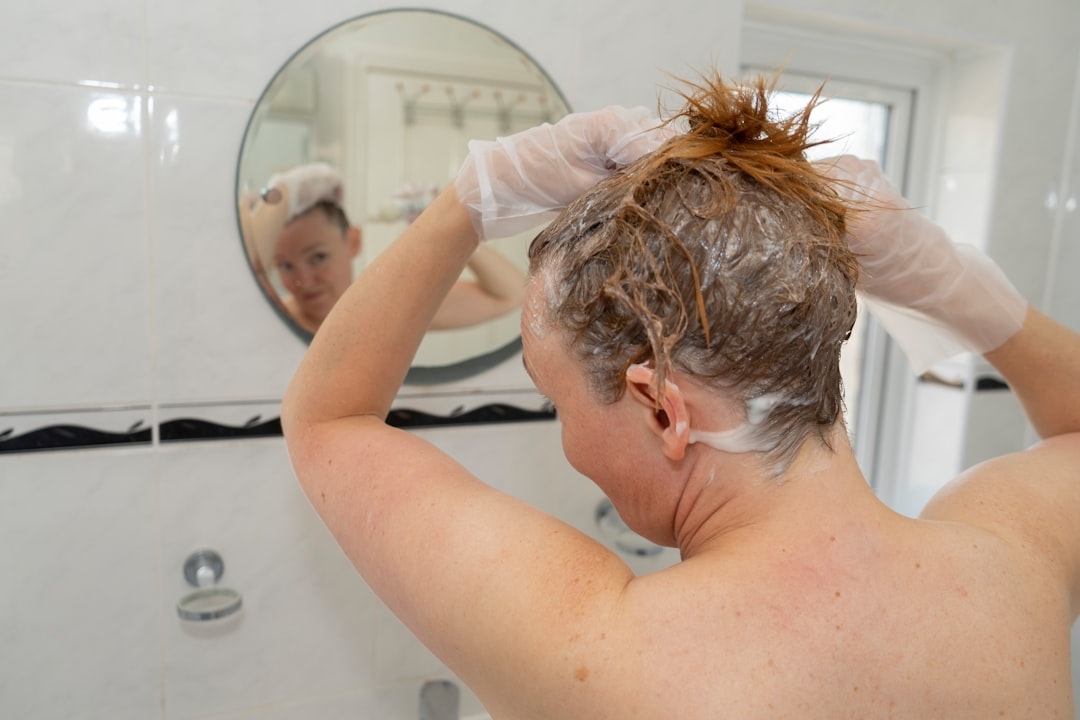
Shampoo thoroughly, focusing on your scalp where buildup congregates. Two to three minutes of proper massage stimulates blood flow to hair follicles and ensures complete cleansing. If you use thick creams or oils regularly, follow your volumising shampoo with a clarifying shampoo once weekly to strip stubborn deposits.
Step 2: Condition Strategically
This is where most people add unnecessary weight. Condition only your mid-lengths and ends—never apply conditioner to roots or the area within 5cm of your scalp. Use a lightweight conditioner, or swap it entirely for a leave-in spray conditioner on days you’re prioritising volume. These deliver moisture without the occlusive film that regular conditioner creates.
Rinse conditioner completely with cool water. The cool temperature seals the hair cuticle, which helps strands stand apart rather than cling together. A final rinse with the temperature at around 15-18°C makes a measurable difference to volume appearance.
Step 3: Apply a Root Lift Product
Root lift sprays and powders work directly on the hair shaft to create separation at the scalp. Apply a volumising powder or texture spray to damp roots before blow-drying. Products like Bumble and bumble Thickening Full Form Mousse (£32) or Batiste Dry Shampoo with Volume (£3.50) create immediate lift by roughing up the hair surface and absorbing scalp oils that would otherwise flatten strands.
Drying Technique: The Game-Changer
Your blow-dry method determines roughly 70% of your volume results. Even the finest, flattest hair transforms with the right drying approach.
Don’t Blow-Dry Straight Down
Drying from roots to ends in the direction hair naturally grows actually encourages flatness. Instead, flip your head upside down or section your hair and direct the airflow upward against the growth pattern. Aim the dryer nozzle to direct heat upward along the hair shaft. This forces cuticles to stand outward, creating natural separation and light reflection.
Use the Right Tools
Cheap hairdryers emit uncontrolled heat and chaotic airflow, which damages hair and prevents proper styling. Invest in a professional-grade dryer with ionic technology, which breaks water molecules into smaller droplets that dry hair faster while creating smoother cuticles. Dyson Supersonic (£299) sits at the premium end, but Ghd Air (£99) delivers excellent results at a mid-range price. Pair your dryer with a concentrator nozzle to direct airflow precisely rather than diffusing it across your whole head.
Section and Target
Divide dry hair into 4-6 sections using clips. Dry each section thoroughly before moving to the next. Work from the roots outward, keeping the dryer moving to prevent heat damage. For maximum volume, dry your roots completely while your hair is still damp, then move to mid-lengths and ends last. This ensures the most vulnerable part of your hair receives the gentlest treatment.
What the Pros Know: Hairstylists blow-dry hair 60-70% of the way, then finish with cool air from the dryer. This final cool-down sets the style, closes hair cuticles, and locks in volume for hours longer. Most people skip this step, wondering why their volume drops within an hour.
Styling Methods That Create Lasting Volume
Volumising Mousse at the Roots
Applied correctly, mousse creates lasting volume without crunchiness. Apply a tennis ball-sized amount of mousse to damp roots only, rubbing it through your hair at the scalp area. The mousse sets as hair dries, creating a micro-structure that holds volume all day. Good mousses cost £8-15 and last through 15-20 applications.
Blow-Dry with a Round Brush
A round brush creates tension that lifts hair away from the scalp while drying. Larger brushes (around 50mm) create more dramatic volume, while medium brushes (35mm) work better for finer hair. Wrap a section around the brush, apply heat, then rotate the brush outward as you pull it toward the ends. This creates both volume and a slight curve that enhances fullness.
Volumising Spray or Texture Spray
These lightweight sprays add grit and separation without the weight of cream products. Spray onto damp roots and rough-dry with your fingers, or spray dry hair and tousle. Texture sprays contain polymers and absorbent ingredients that grip hair and prevent strands from clumping together. Price ranges from £6-20 depending on brand.
Hair Crimping for Texture
Crimping creates instant texture and volume by increasing the surface area of each hair strand. Use a crimper on damp hair in 1cm sections, focusing on roots and mid-lengths. Crimped hair naturally separates rather than lying flat. You can crimp your entire head for maximum drama or just the underneath layers for subtle, everyday lift.
Volume vs. Smoothing: Understanding the Trade-off
Here’s where people get confused: smoothing treatments and volume are often at odds. Keratin treatments, smoothing shampoos, and oil-based serums prioritise shine and frizz control by coating the hair shaft. This coating makes strands heavier and prevents them from standing apart. If you’ve done a smoothing treatment, you can’t expect the same volume as untreated hair.
Volume-focused products work the opposite way. They roughen the hair surface slightly, increase friction between strands, and reduce shine in favour of visible lift. If you choose a smoothing treatment, accept reduced volume as the trade-off. If volume is your priority, skip smoothing treatments and use lightweight serums sparingly.
Some people want both. The compromise is a smoothing treatment that’s specifically lightweight—look for keratin treatments in the “express” or “lite” category, which deposit less coating. Apply smoothing treatments to mid-lengths and ends only, keeping roots uncoated so they can still lift.
Product Recommendations by Hair Type
Fine, Straight Hair

Fine hair needs lightweight everything. Use volumising powder at roots (Batiste, £3.50), a mousse (Lee Stafford Thickening Mousse, £7.99), and skip conditioner entirely on wash days. Dry with a concentrator nozzle pointing upward. Texture spray provides all-day hold without crunchiness.
Fine, Wavy or Curly Hair
Your natural texture is an asset—enhance it with products that support your wave pattern. Use a lightweight leave-in conditioner spray, apply mousse or gel to damp hair, and encourage your natural curl. Diffuse with a hair dryer or air-dry for maximum volume. Curls naturally create more surface area, so focus on definition rather than height.
Thick Hair with Low Density
You have thicker strands but fewer of them, creating patchiness. Use volumising shampoo and conditioner (the thicker strands can handle it), apply texture spray or dry shampoo between washes, and use a round brush to create height. Your styling flexibility is actually higher than fine-haired people—you can handle more product without it looking heavy.
Hair Prone to Flatness After Styling
Your problem isn’t styling—it’s hold. Use a volumising hairspray with medium hold (not flexible hold, which provides no support). Products like Schwarzkopf OSiS Grip Extreme Hold Mousse (£9.50) add hold while maintaining volume. Apply to damp hair before blow-drying, and refresh with texture spray throughout the day.
Daily Maintenance Tricks
Maintaining volume between washes requires simple techniques most people don’t know about.
Dry Shampoo as a Volume Tool
Dry shampoo isn’t just for extending wash intervals—it’s a volumising product. The powders absorb oils, creating friction that helps hair stand up. Use it at the roots in the morning before styling, or refresh volume midday by applying, letting it sit 2-3 minutes, then brushing through. Look for powders with added polymers for better hold.
Strategic Backcombing
Backcombing at the roots creates a textured base that supports volume. Using a fine-tooth comb, gently comb backward from ends toward roots in 2cm sections at your crown. This mats the hair slightly, creating a cushion that holds volume. Smooth the top layer lightly with your regular comb so it looks polished rather than messy, but leave the backcombed base intact.
Clip-In Hair Extensions or Volumisers
Temporary clip-in pieces add instant density without commitment. One or two clip-ins at the crown (around £15-40) add visible fullness for special occasions. This works particularly well if your volume loss is concentrated in one area rather than all over.
Scalp Massage
Massaging your scalp for 2-3 minutes daily stimulates blood flow to hair follicles, encouraging thicker growth over time. Use your fingertips (not nails) and move in circular motions across your entire scalp. This costs nothing and supports long-term hair health alongside immediate styling benefits.
Quick Volume Fixes for Emergencies
Sometimes you need volume right now. These emergency methods work within minutes.
- Teasing and pinning: Backcomb a small section at your crown, smooth the top layer, and pin it in place with bobby pins. This creates an instant height boost that lasts hours.
- Texture spray: Spray damp hair generously, tousle with your fingers, and let it air-dry slightly. The grip builds volume as hair sets.
- Volumising mousse: Apply to damp roots, blow-dry with your head tilted to one side, then flip and dry the other side. The directional drying creates lift.
- Velcro rollers: Roll damp hair onto large Velcro rollers, blow-dry completely, and let cool for 5 minutes before removing. Instant volume that holds for hours.
- Upside-down blow-dry: Flip your head forward and blow-dry your entire head from this position. This pushes hair up and away from the scalp, creating immediate lift.
Prevention: Avoiding Volume Loss
Once you’ve created volume, protect it with these habits.
Wash your hair no more than twice weekly if you have fine hair, and use lukewarm (not hot) water. Hot water opens hair cuticles and loosens the structure you’ve created. Avoid sleeping on wet hair, which flattens strands as they dry against your pillow. Sleep on a silk or satin pillowcase if possible, which creates less friction and prevents the creases that flatten volume overnight.
Don’t touch your hair excessively throughout the day—constant brushing and fingers running through your hair gradually flatten the structure you’ve created. Use a wide-tooth comb or fingers only when absolutely necessary.
Chlorine from swimming and salt from seawater both coat the hair shaft and flatten strands. If you swim regularly, wet your hair with fresh water and apply a leave-in conditioner before swimming. This prevents your hair from absorbing chlorinated or salt water, preserving both health and volume.
FAQs: Your Volume Questions Answered
How long does volume typically last after styling?
With proper technique and products, volume lasts 24-48 hours on fine hair, and up to 72 hours on thicker hair. Humidity, touching your hair, and sleeping on it all reduce lifespan. Refresh volume with dry shampoo or texture spray between washes.
Can you permanently add volume to fine hair?
You can’t change your hair’s basic structure, but modern perms and chemical treatments create lasting texture that appears thicker. A body wave perm (£40-80 at UK salons) adds permanent wave pattern and texture. Results last 12-16 weeks before growing out. This is different from old perms—modern formulas are gentler and create natural-looking waves.
What’s the difference between volumising mousse and volumising spray?
Mousse is a cream-foam product applied to damp hair before drying—it works as hair sets and creates structural support throughout the day. Spray is lighter, applied to damp or dry hair, and works by adding grip and texture. Mousse provides longer-lasting volume; spray offers quicker application and works better as a refresh between washes.
Does protein treatment help with volume?
Protein treatments strengthen and thicken individual hair strands, making them appear fuller. They work particularly well on damaged or chemically treated hair. However, if your hair is naturally fine, too much protein can make hair feel stiff. Use protein treatments once monthly at most if you have fine hair.
Can diet affect hair volume?
Nutritional deficiencies cause hair thinning and loss. Iron, vitamin D, B vitamins, and protein all support hair growth. If your volume loss is recent and unexplained, consider a blood test to check for deficiencies. Most people see thicker hair growth within 8-12 weeks of supplementing deficient nutrients. This is long-term prevention rather than immediate styling, but it addresses volume loss at the root.
Your Volume Journey Starts Today
Adding volume to hair is genuinely achievable—you don’t need expensive treatments or genetic luck. The most transformative step is switching your blow-dry technique. Spend this week blow-drying your roots upward against your growth pattern instead of with it, and you’ll immediately notice increased lift. Layer in a root-lift product and a texture spray, and the difference becomes dramatic.
The secret professionals understand is that volume isn’t created by one product or technique—it’s built through a sequence of small choices. The right shampoo, targeted conditioning, intentional blow-drying, and strategic product application combine to create results that look effortless but are actually quite deliberate.
Start with your drying technique this week, add a volumising product next week, and refine your approach as you learn what your specific hair responds to. Volume is absolutely within reach. Your hair is waiting for the right technique to reveal its potential.


+ There are no comments
Add yours